Like a lot of people (especially creatives) I often suffer from imposter syndrome.
Although it may seem a little boring to see yet another overview of what someone did over the course of the previous year it is really important to remind yourself of what you have achieved. I am a perfectionist and I recognise that this can be a very negative mindset because perfection is something we can never achieve. Social media can also be a very negative thing as you see all the best possible pictures of people’s finished work or sped up time-lapse of a project that took, hours, weeks, months or even years of work in a matter of seconds and it is tempting to think that we can only be worthwhile if we create things that are the same as what others are putting out there in their feeds.
So, stocktaking and reflecting on what we have actually achieved in a year can give a big confidence boost when you realise that while you may not have ticked off everything on your perfection wish list, you have done a whole bunch of really great stuff. This can give you an “oh, yeah! I am doing pretty well” moment and an opportunity to pat yourself on the back.
If on the other hand you feel like 2025 was an absolute waste of time and space for you, try not to let that worry you either. Just remember that without even doing/”achieving” anything that you are a Wonder of the Universe just for existing. There has never been, and never will again, be anyone exactly like you. We don’t have to “achieve” things to be worthwhile and if you are able to slow down and appreciate the little things around you in the present moment instead of worrying about the past or the future that can be very good for your spiritual and mental health.
So below is my list of things I did in 2025 that I’m proud of and links to the blog posts with more pictures/videos etc. for you to peruse:
🎆I was featured in David Currell’s New Book “Puppets & Puppet Theatre“. Big thanks to him.
🎆I worked very hard on making an astounding number of shadow puppets for our New Fairytales shadow puppetry show for smaller venues like schools and libraries: “Fairytales of Wit, Wisdom & Witchcraft” including 6 fairytales (The Frog Prince, The Enormous Turnip, Little Red Riding Hood, Goldilocks, The Three Billy Goats Gruff and Chicken Licken). See following blog post links: New Year, New Shows!, Fairytale Shadow Puppets take shape, More New Fairytale Shadow Puppets, Nearly All Puppets Complete, More Shadow Puppets for Little Red Riding Hood Story Take Shape
🎆We were thrilled to be invited back to Congleton Food & Drink Festival with our Mad Hatter’s Tea Party walkabout show (CLICK HERE for show page).
🎆I was booked to run workshops and perform my Shadow Puppet suitcase shows for the opening of the new Sound & Vision Gallery at the National Science and Media Museum in Bradford. CLICK HERE for blog post.
🎆I performed as “Mom” and “Kai” for our first ever “Al & Kai’s Faboo News LIVE” show in Blyth at “The Happy Space” Inflatable Venue from Stellar Creates. This was part of the “Blyth Celebrates” events.
🎆I attended lots of theatre, puppetry, light festivals and networking events including Newcastle Puppetry Festival to see Matthew Robins “A Million Tiny Ants”, Stockton International Riverside Festival, Lightpool – Blackpool, Light Up Lancaster, Lumiere – Durham, “The Lion the Witch and the Wardrobe” at Blackpool Winter Gardens, and Skipton International Puppetry Symposium, (where I also ran a shadow puppetry workshop and performed my shadow suitcase shows).
🎆I participated in many of the fantastic events held for the Centenary of the British Puppet & Model Theatre Guild including an online Q&A with TV Puppetry legend Phil Fletcher, an online show & tell event and last but not least the fantastic Marionette Masterclass with Ronnie le Drew held at the Harlequin Puppet Theatre at Rhos on Sea, in Wales.
🎆I auditioned for Theatre by the Lake with a Shakespeare monologue and also for a Peppa Pig show with puppets.
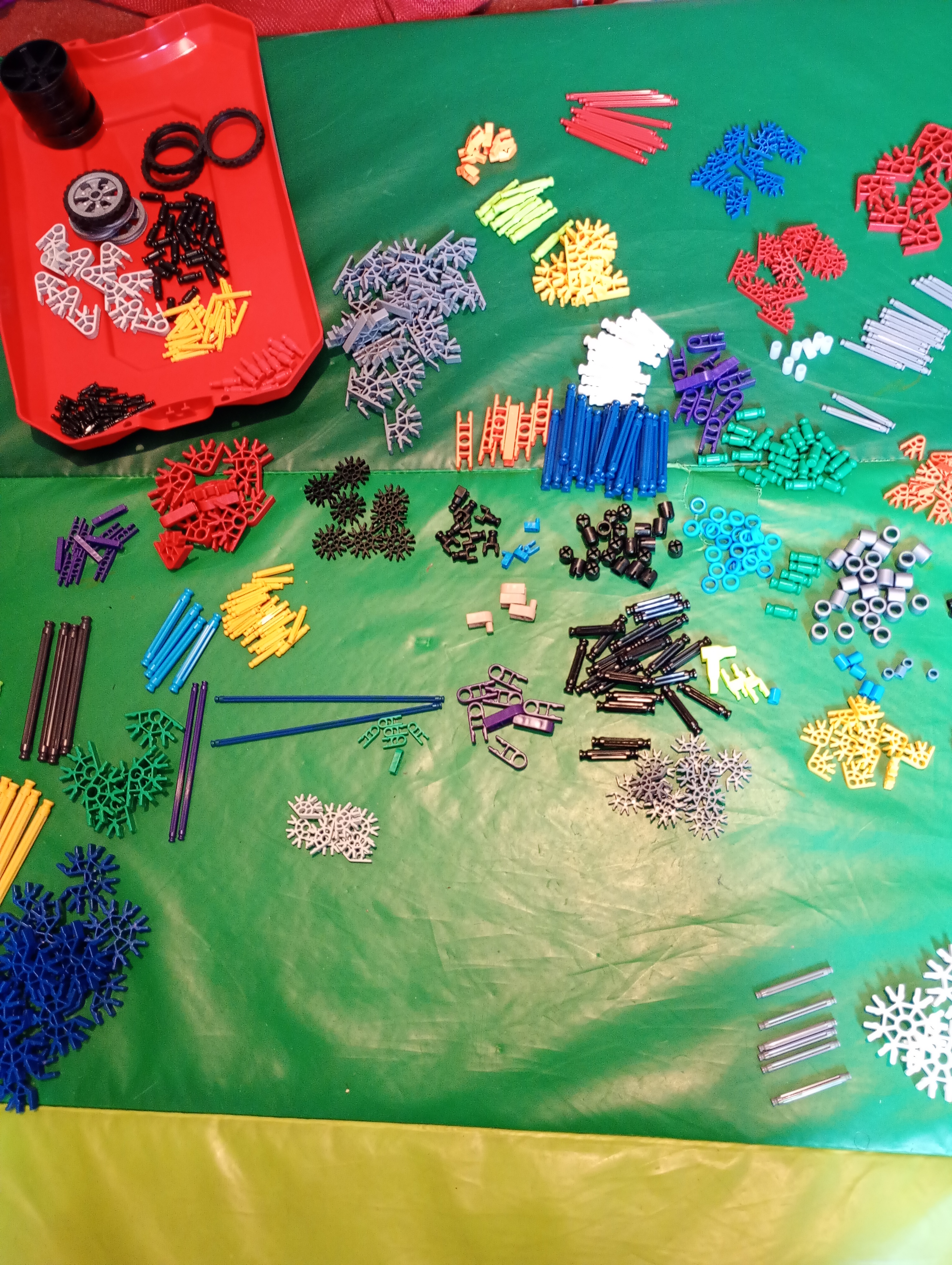
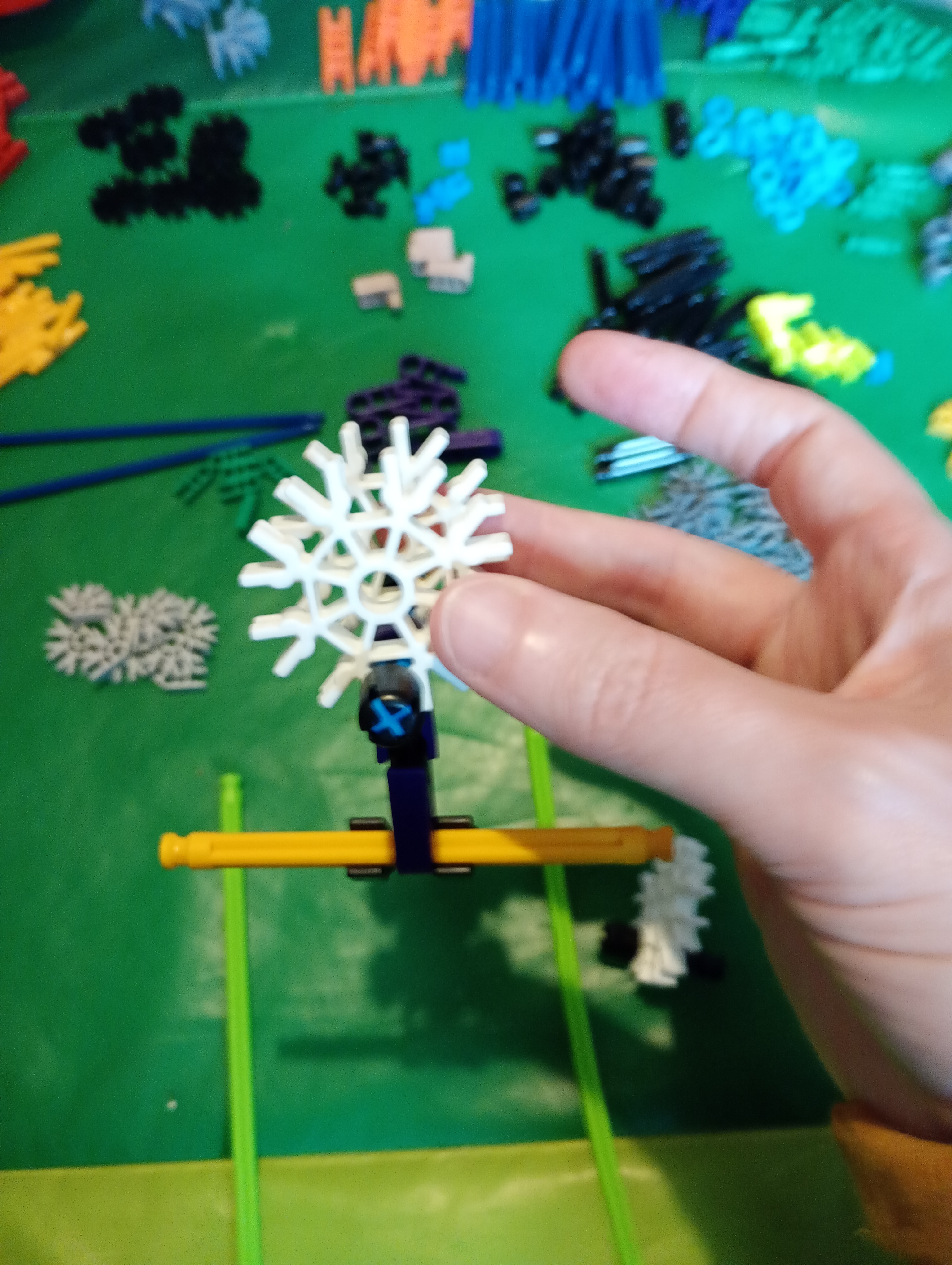
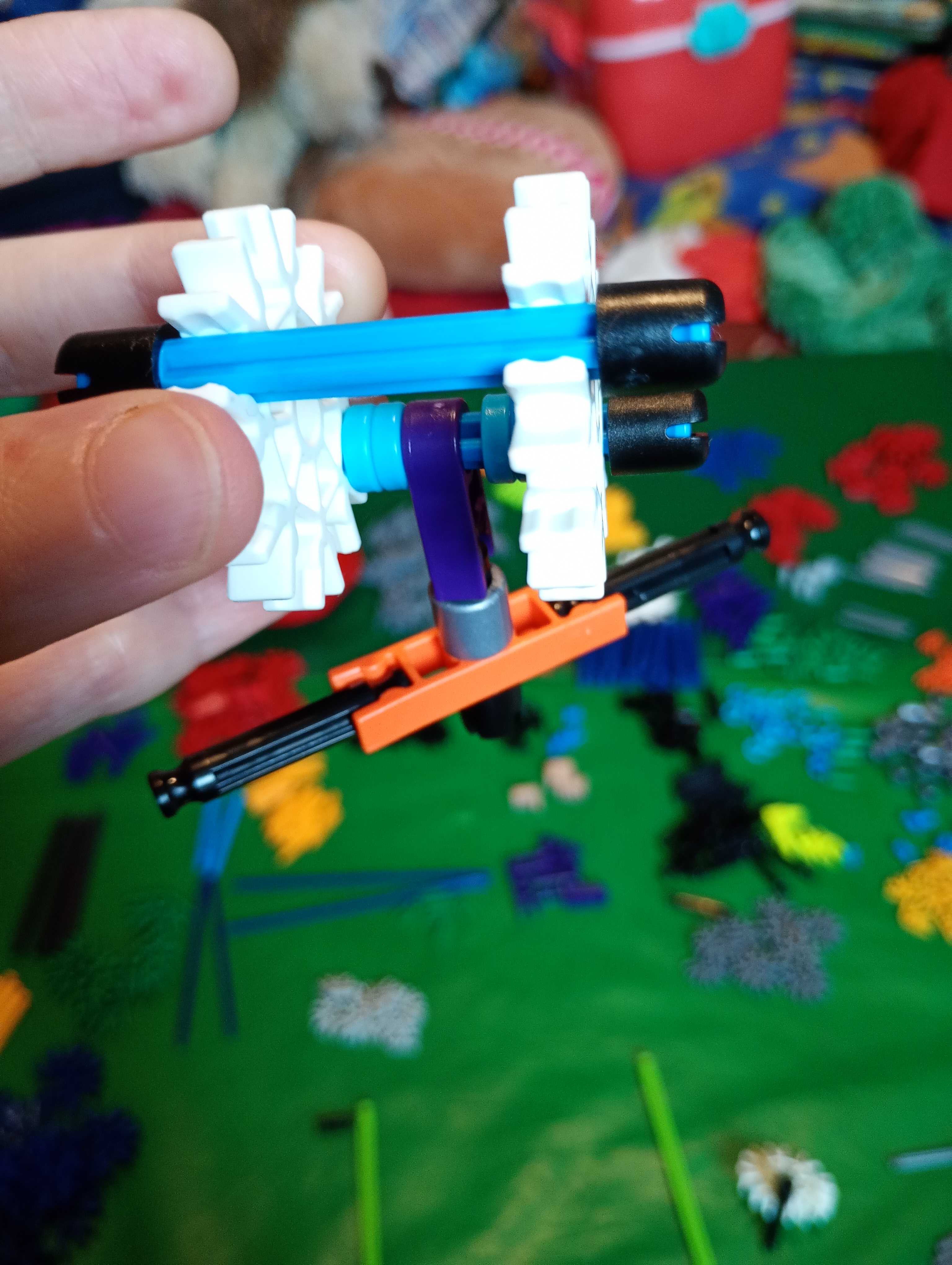
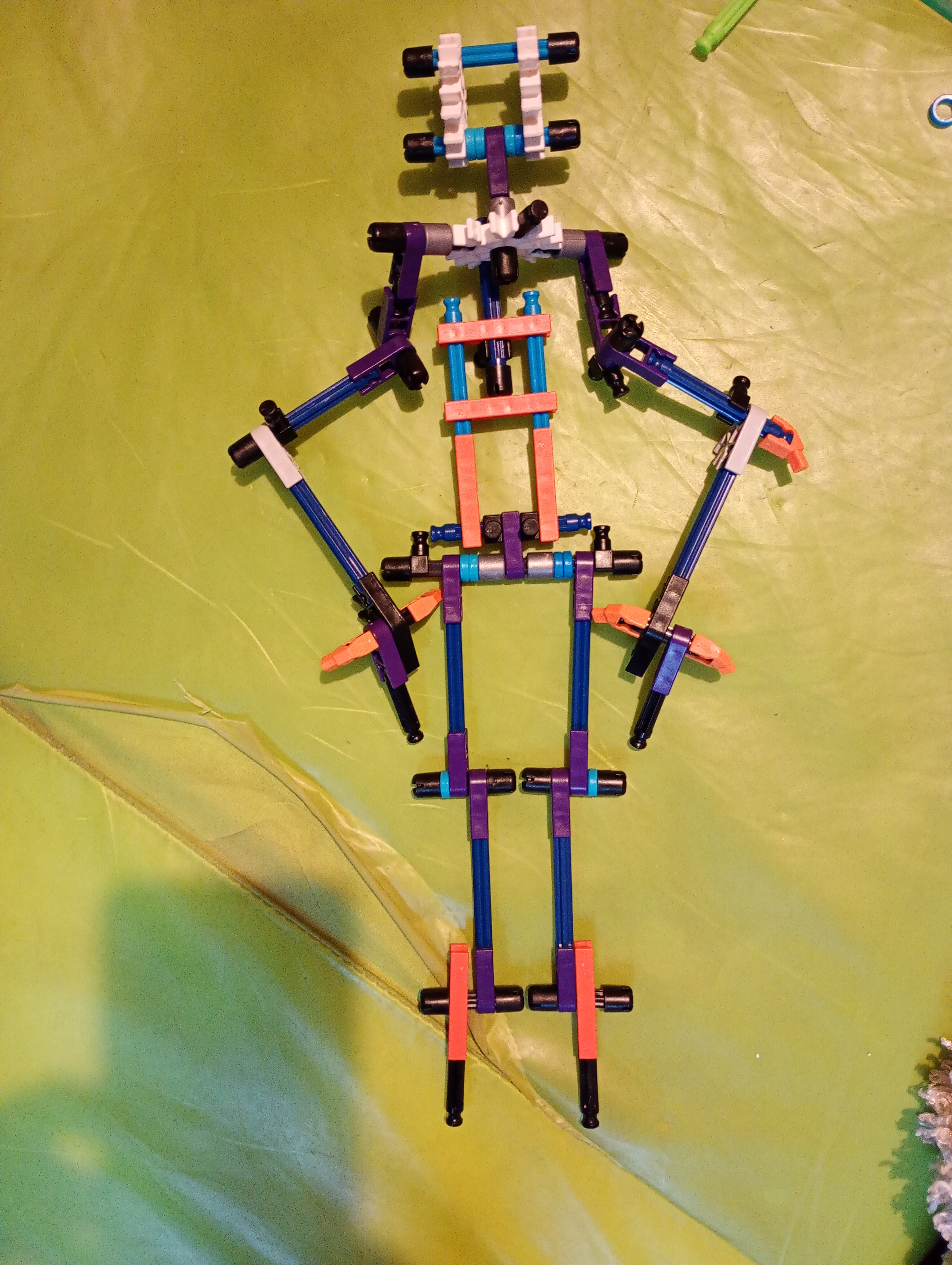
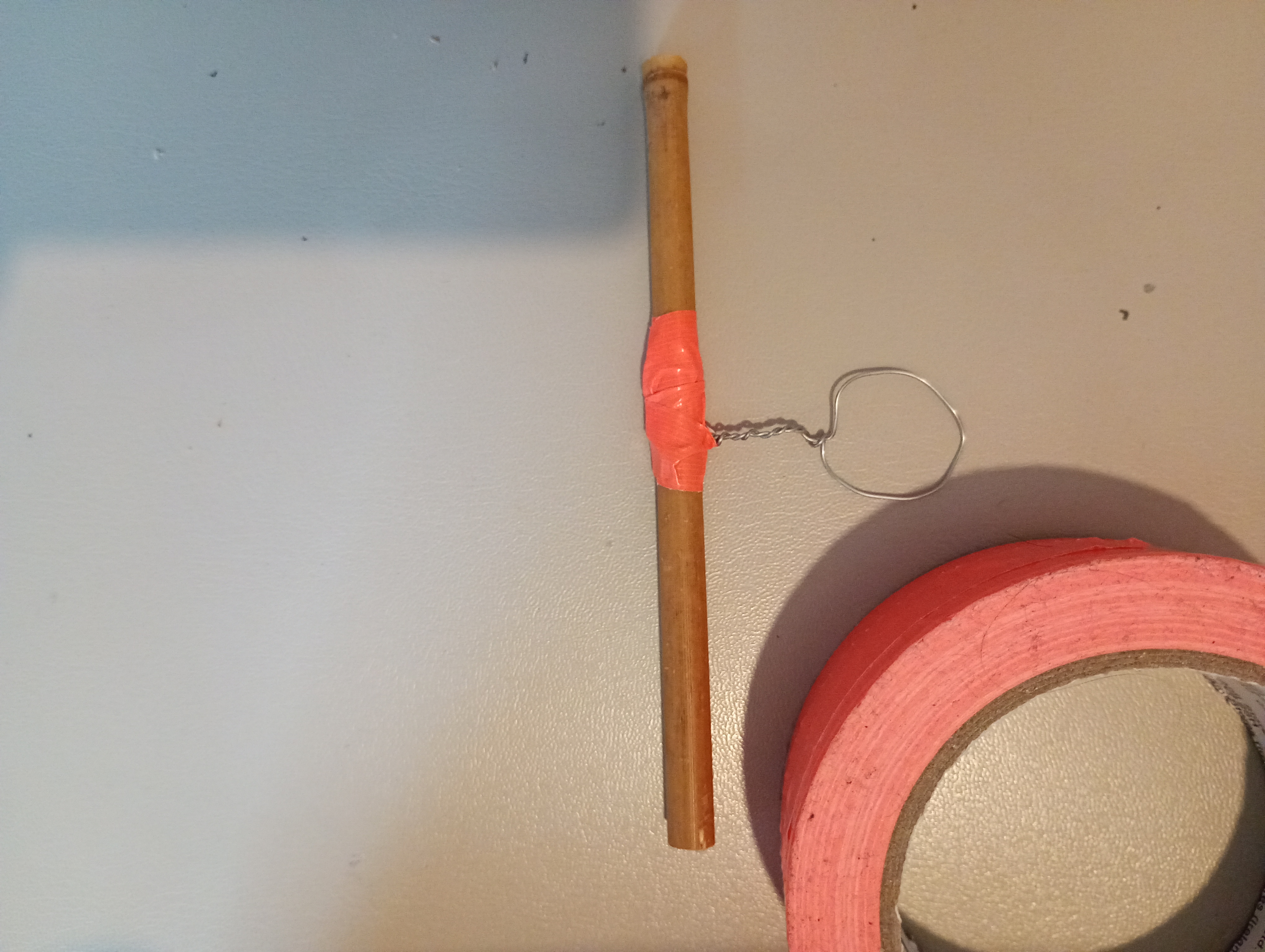
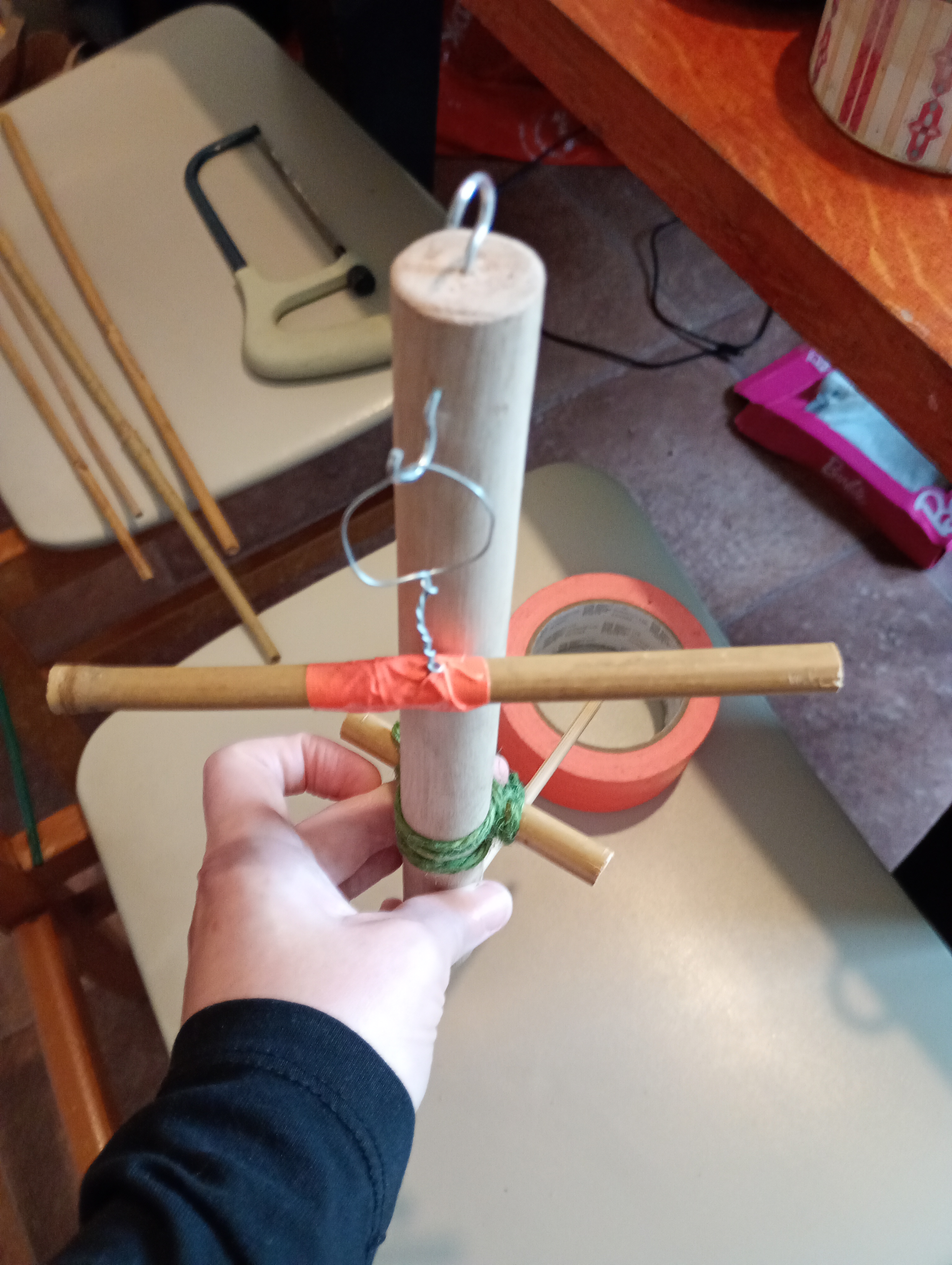
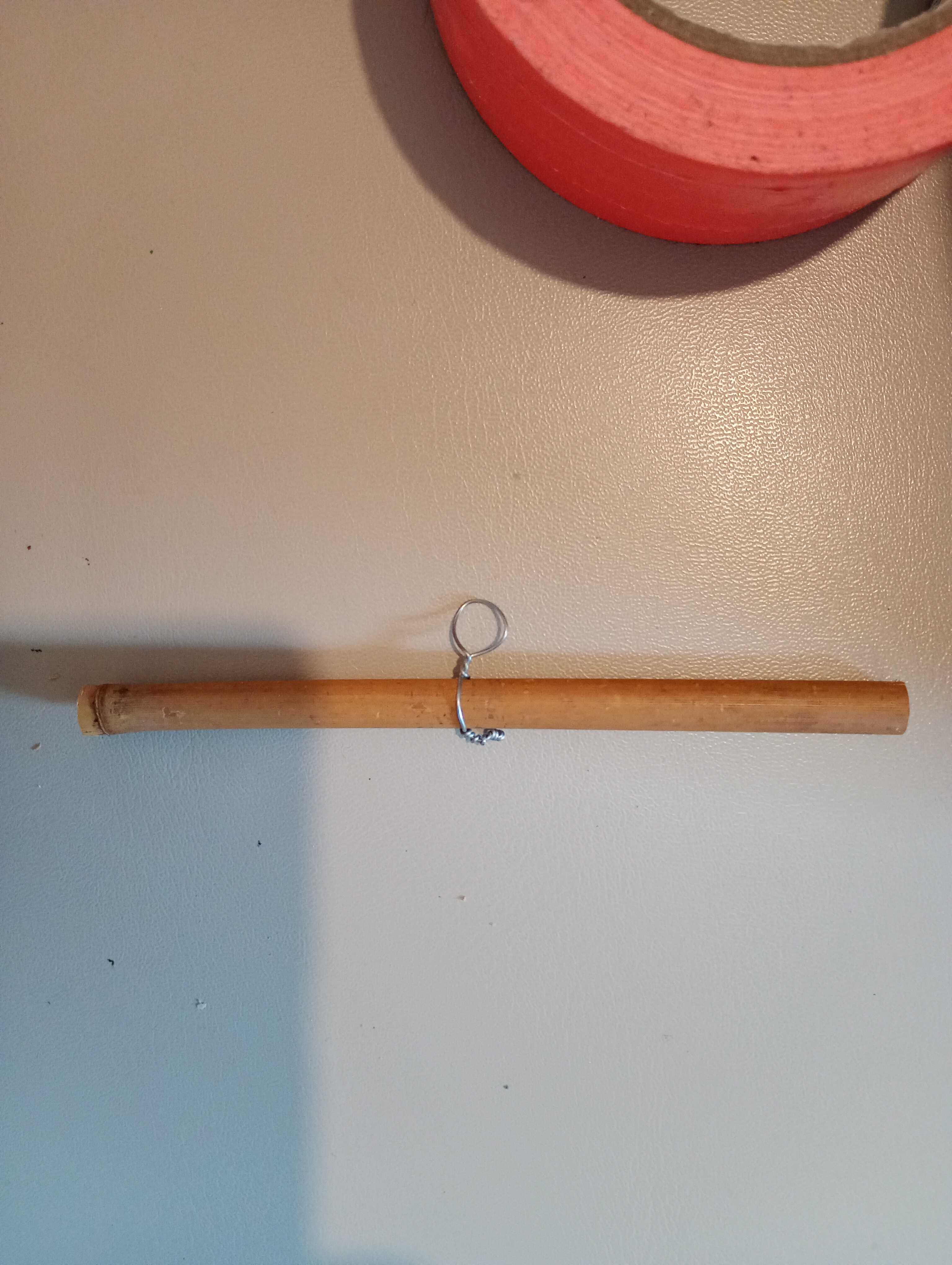
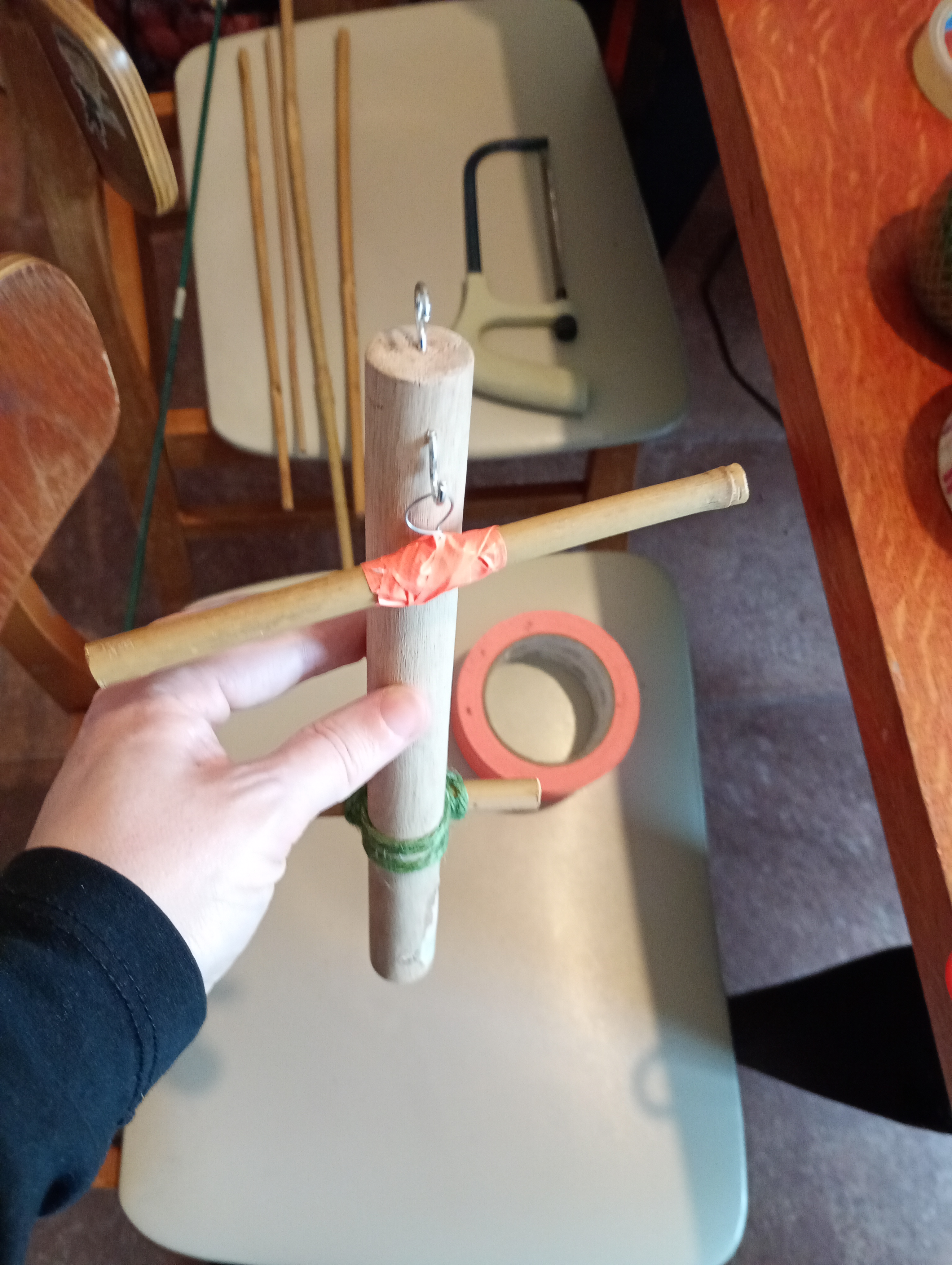
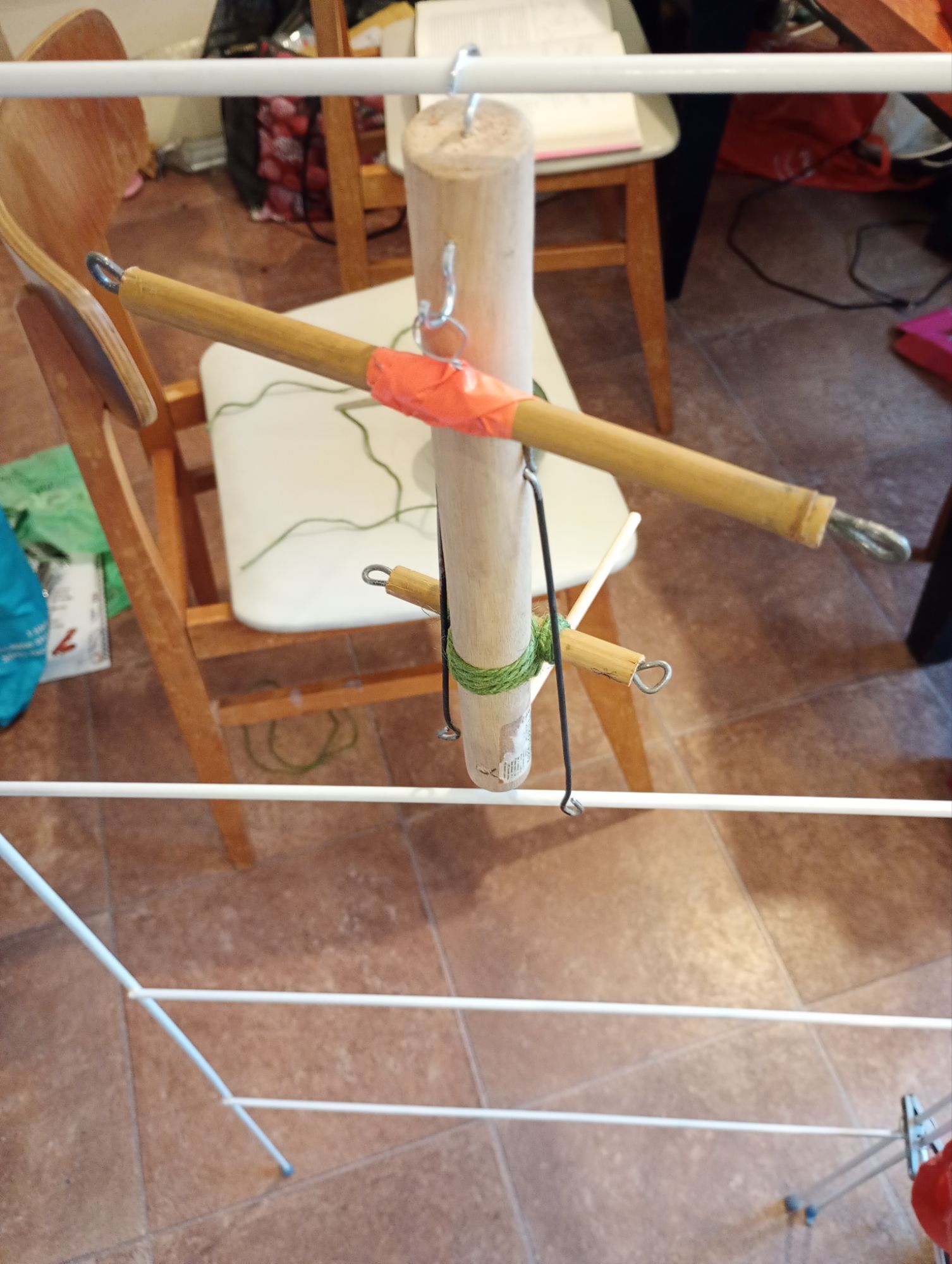
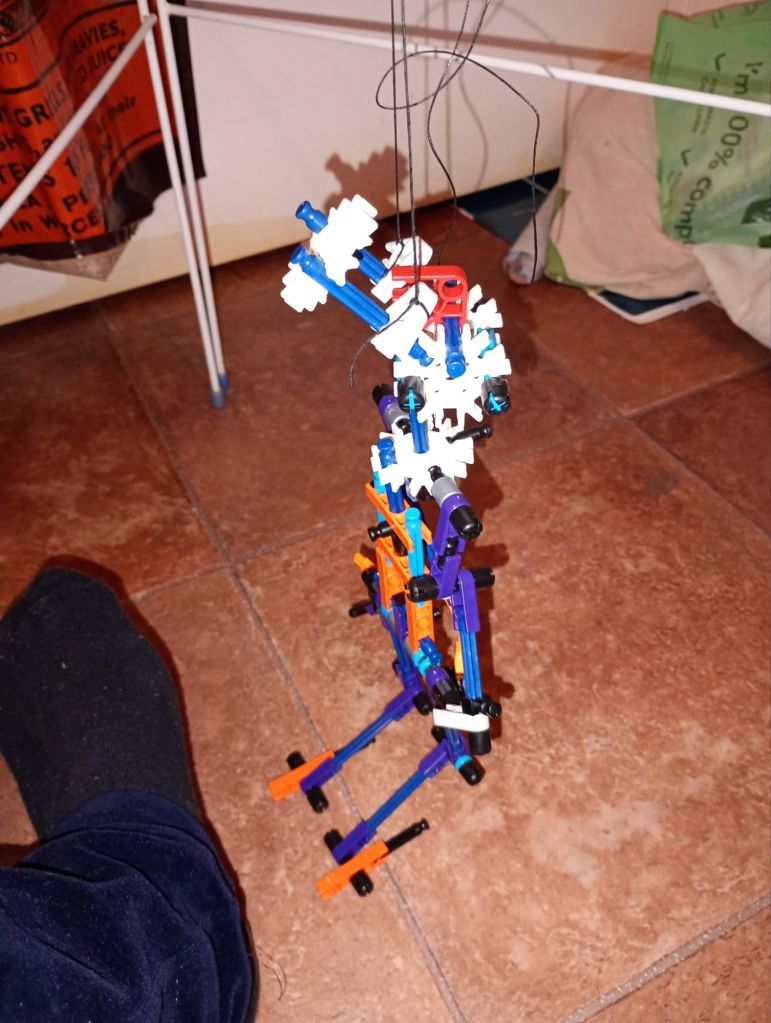
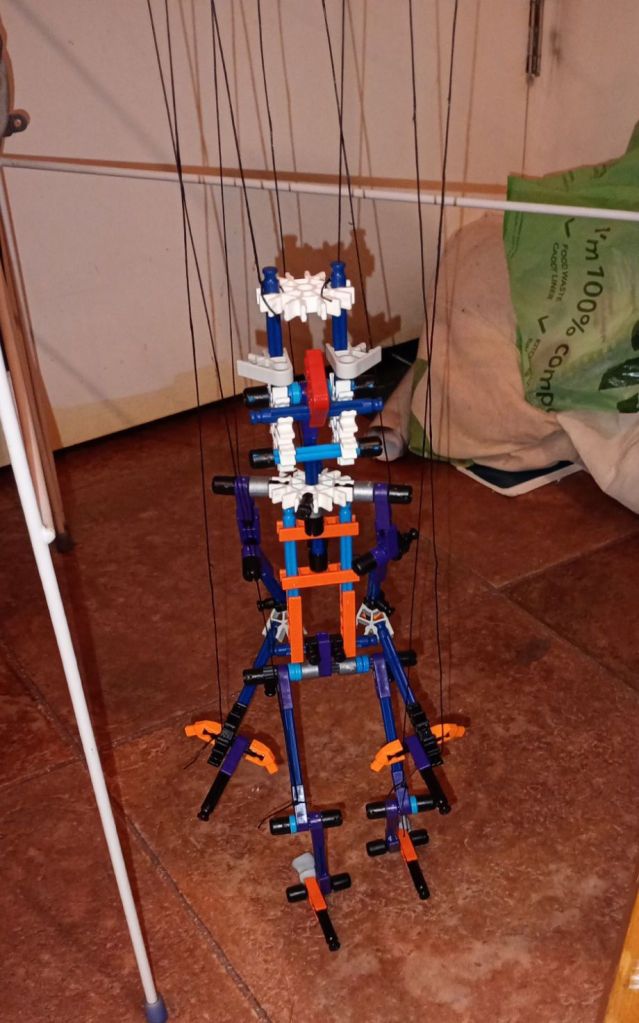
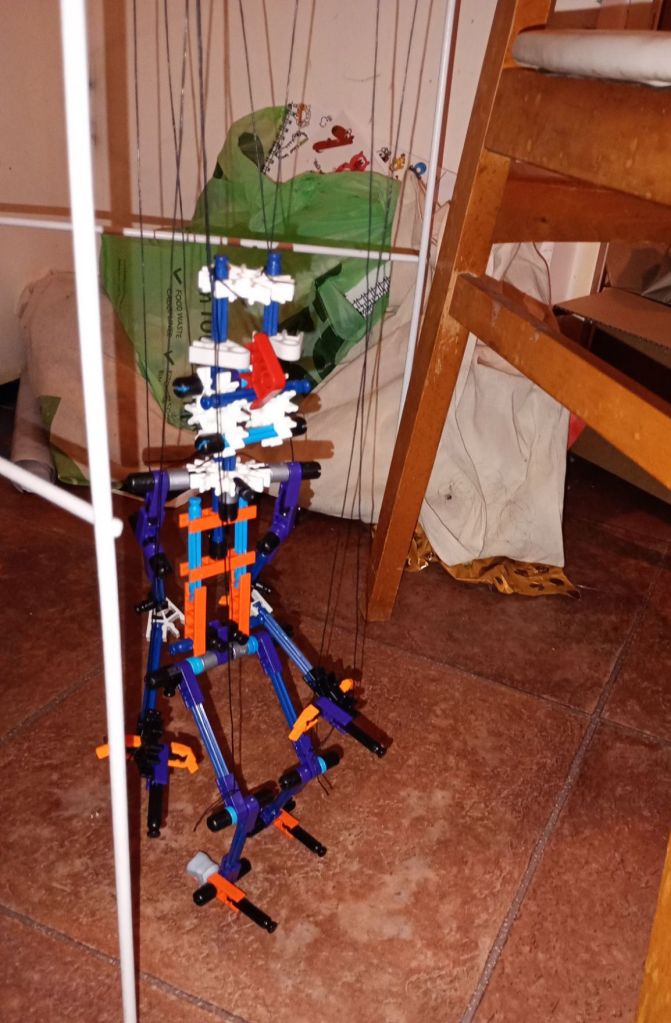
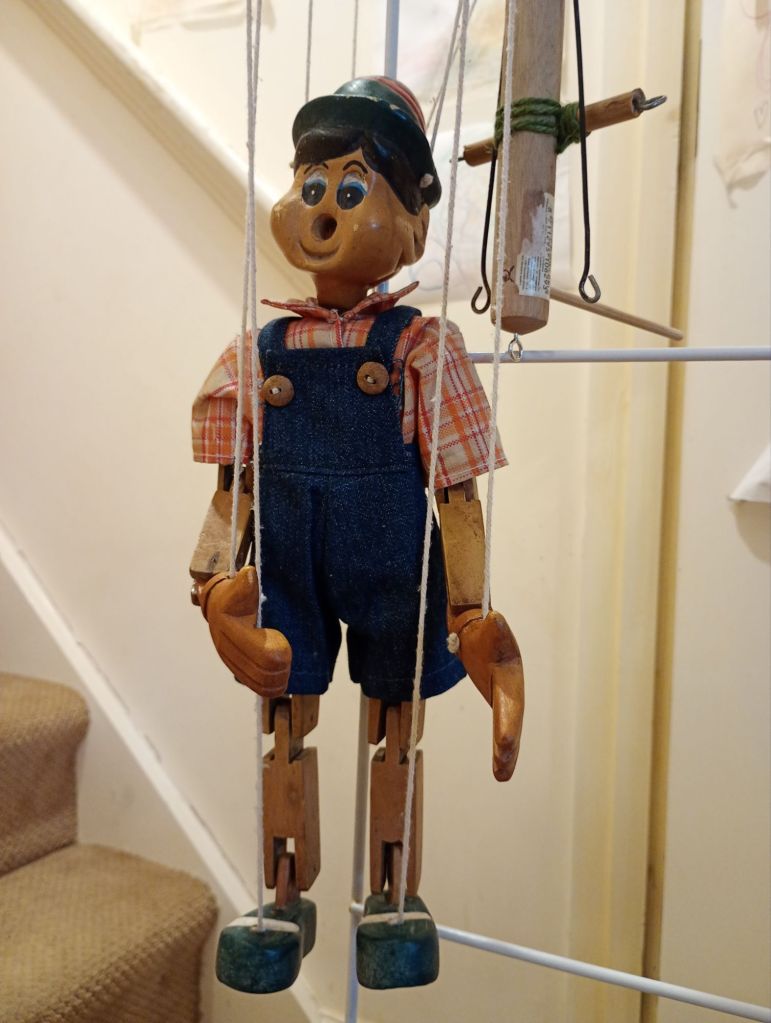
🎆I also created a quick marionette using KNEX, which I even used to make a little festive demo video with. When I have time in between everything else this year, I will be renovating/restringing a wooden vintage Pinocchio marionette I got off Ebay so if you fancy keeping up to date with that and all my other news, please “follow” the blog (you can also subscribe to have it sent to you via email as a newsletter).
I’d love to hear something you are proud of from last year or what you like to do in January to reset and get ready for the New Year in the comments 😊.




 Puppet Lady