“Jabberwocky!”, Alice in Wonderland and the National Year of Reading

Did you know that 2026 is National Year of Reading in the UK?

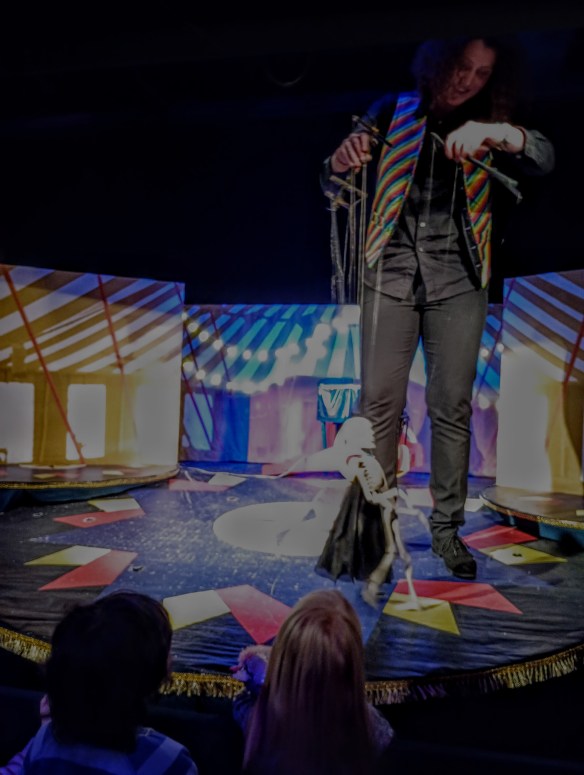
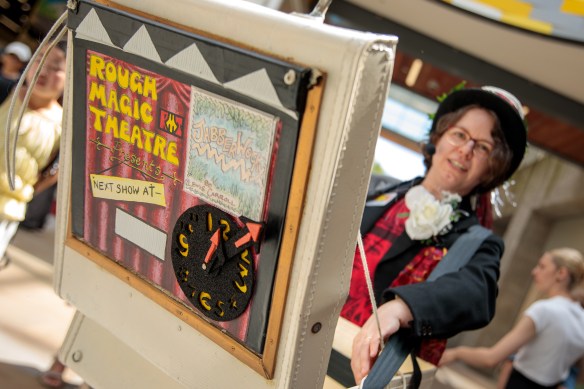
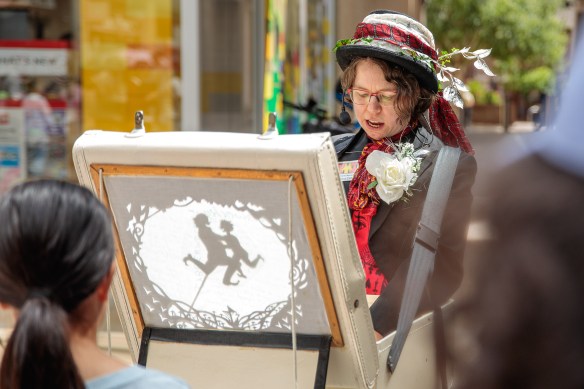
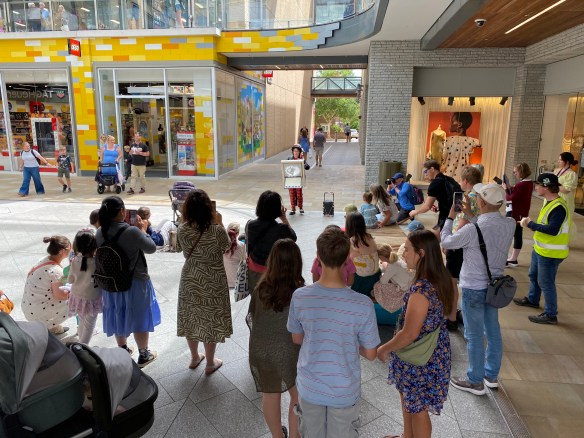
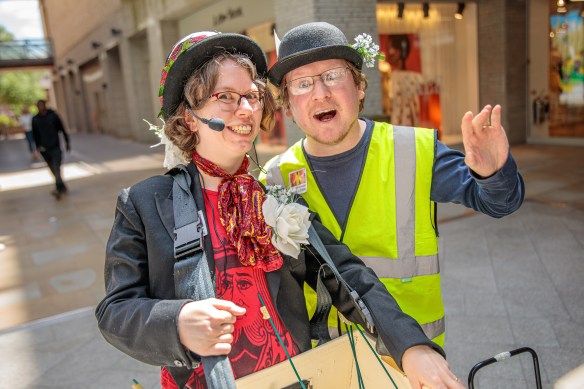
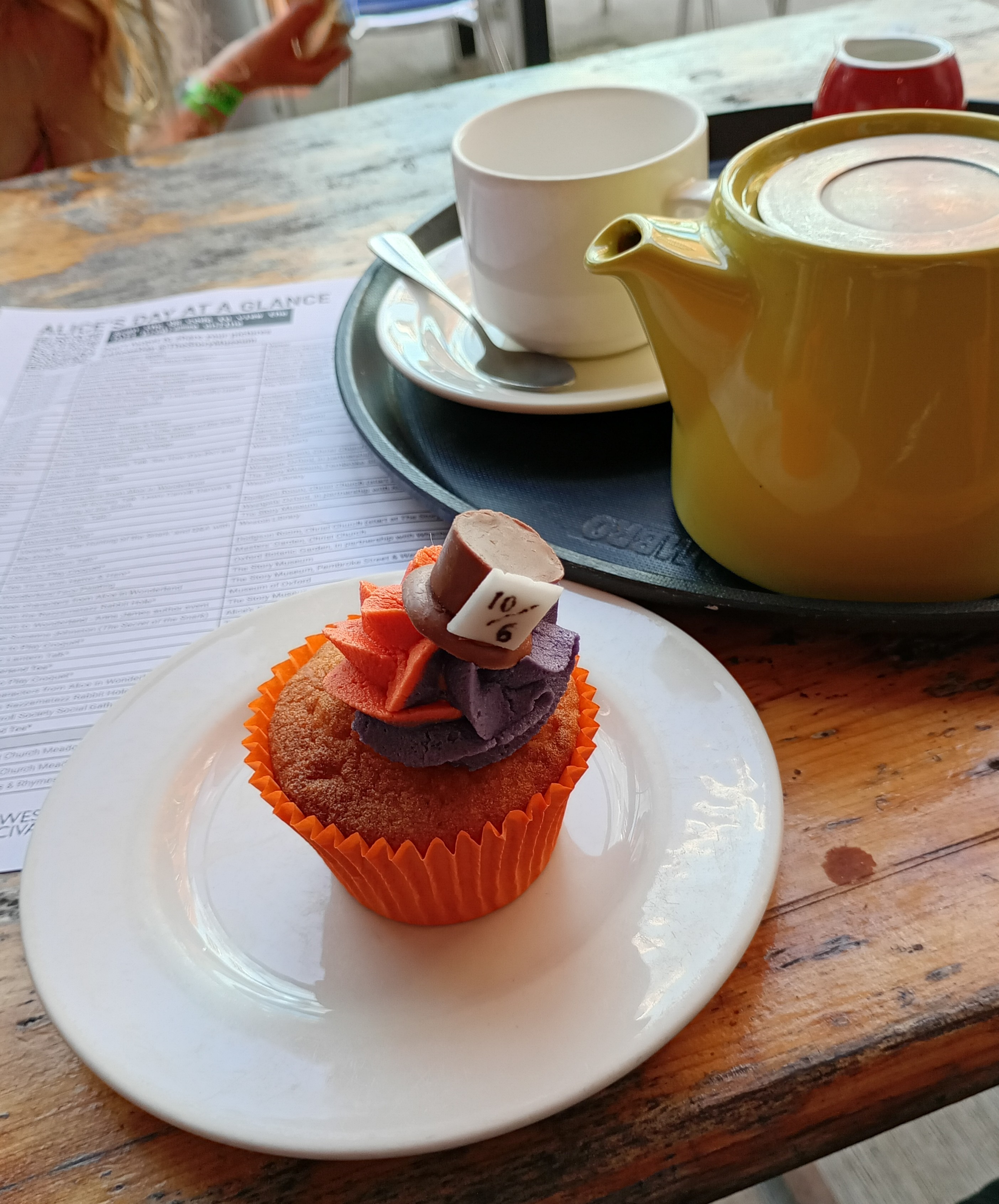
Next weekend I have been invited to perform “Jabberwocky!” for Alice’s Day (July 4th) by The Story Museum in Oxford. You can see more details on my WHERE YOU CAN SEE ME page.

For those who don’t know, (I only heard about it this year) Alice’s Day is celebrated every year as the day when Charles Dodgeson (AKA Lewis Carroll) first told the story of Alice’s Adventures to Alice Liddell and her sisters while rowing down the river on a “… Golden Afternoon”. This is the poem he wrote which you find in the beginning of many copies of the book where he describes the occasion of first inventing the story to entertain the girls:


All In the Golden Afternoon

ALL in the golden afternoon
Full leisurely we glide;
For both our oars, with little skill,
By little arms are plied,
While little hands make vain pretence
Our wanderings to guide.

Ah, cruel Three! In such an hour,
Beneath such dreamy weather,
To beg a tale of breath too weak
To stir the tiniest feather!
Yet what can one poor voice avail
Against three tongues together?

Imperious Prima flashes forth
Her edict ‘to begin it’ –
In gentler tone Secunda hopes
‘There will be nonsense in it!’ –
While Tertia interrupts the tale
Not more than once a minute.

Anon, to sudden silence won,
In fancy they pursue
The dream-child moving through a land
Of wonders wild and new,
In friendly chat with bird or beast –
And half believe it true.

And ever, as the story drained
The wells of fancy dry,
And faintly strove that weary one
To put the subject by,
“The rest next time -” “It is next time!”
The happy voices cry.

Thus grew the tale of Wonderland:
Thus slowly, one by one,
Its quaint events were hammered out –
And now the tale is done,
And home we steer, a merry crew,
Beneath the setting sun.

Alice! a childish story take,
And with a gentle hand
Lay it where Childhood’s dreams are twined
In Memory’s mystic band,
Like pilgrim’s wither’d wreath of flowers
Pluck’d in a far-off land.


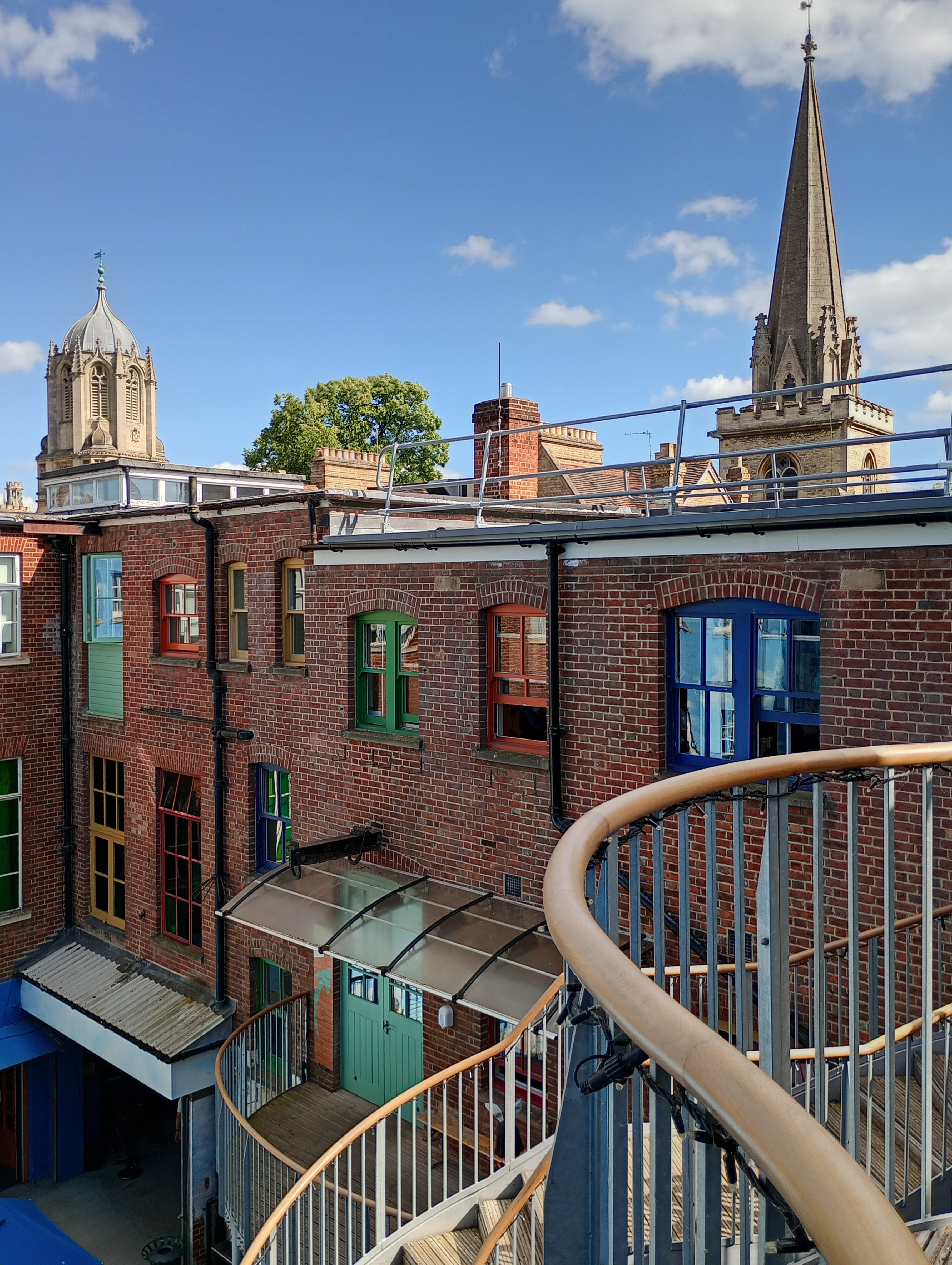
So, I’m looking forward to visiting Oxford, the place of origin of Alice in Wonderland and “Jabberwocky” (originally a poem that is part of the sequel book that Carroll wrote: Through The Looking Glass and What Alice Found There). I am not sure how many times in my life I have visited Oxford, but not very many, so it is very exciting. I have admired the area from afar many times as part of the settings for the “Morse” TV series, (a long time favourite show of my Mum’s).

We have also now refurbished and rehearsed our long time favourite 1 hour long indoor show of Alice in Wonderland so this show is now ready to go to anywhere that would like to book it. We have performed this show in schools, libraries and studio size spaces in theatres previously. You can CLICK HERE to visit the show page to find out more about the show and see if it would be suitable for your space or event.

Our two performances of “Alice in Wonderland” at Tullie House Museum in Carlisle will now be taking place just before Christmas (22nd December). I will post a link to tickets as soon as they are live, so keep your eyes peeled for that. If you have never been to the museum before it is definitely worth a visit (there are lots of interactive elements which kept my kids entertained for hours and they particularly loved the Ancient Romans section).

We first put the Alice in Wonderland show together in 2008, though I had ideas and made some of the separate elements for the show even earlier than that while I was still at University at Bretton Hall. I was never entirely happy with the execution of the roof of the White Rabbit’s house and I’m pleased to say that it is now improved both practically and aesthetically and creates a very pleasing overall effect (which you will see if you come and see the show).
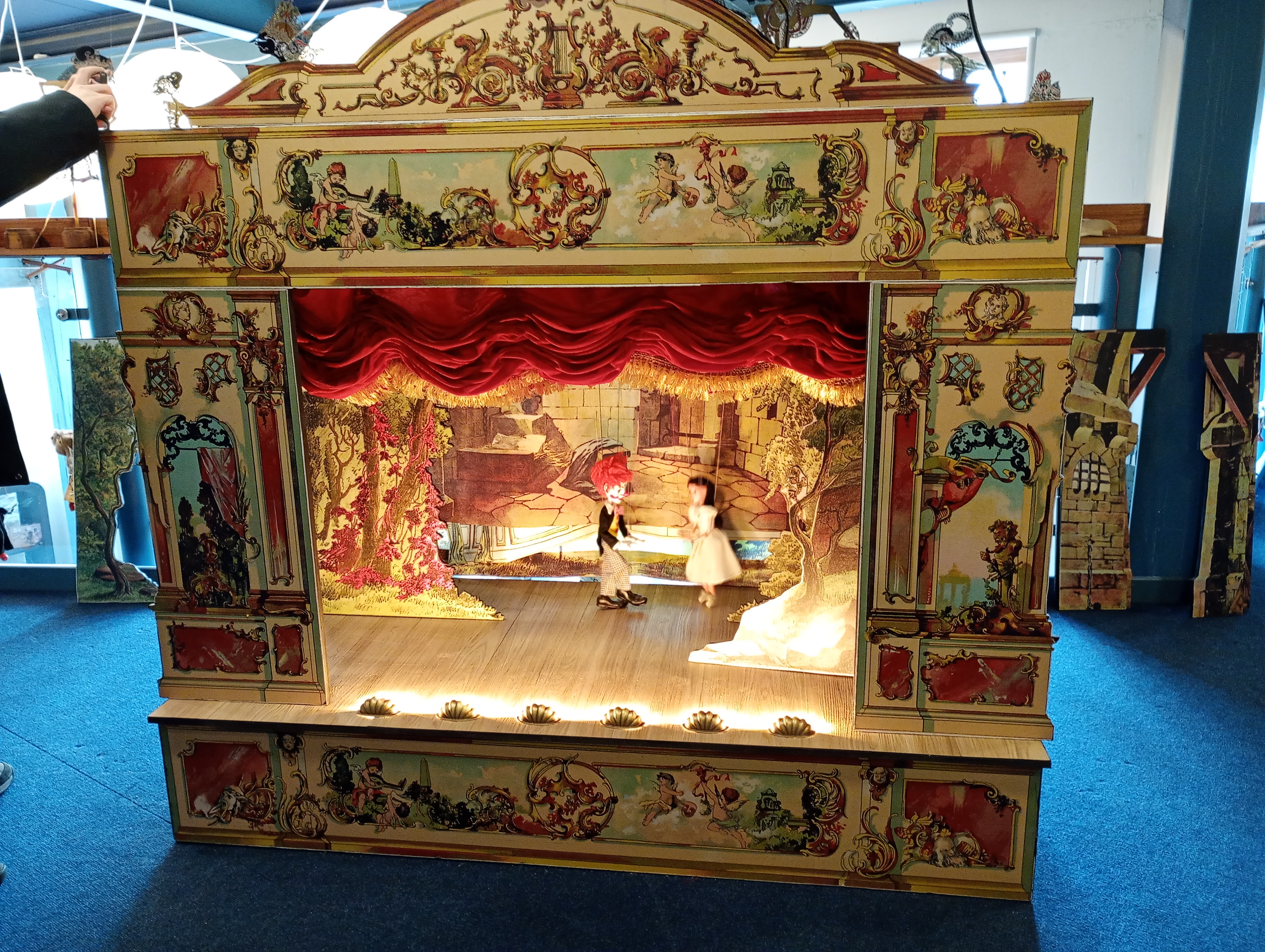
Upfront Puppet Theatre Museum Now Open!

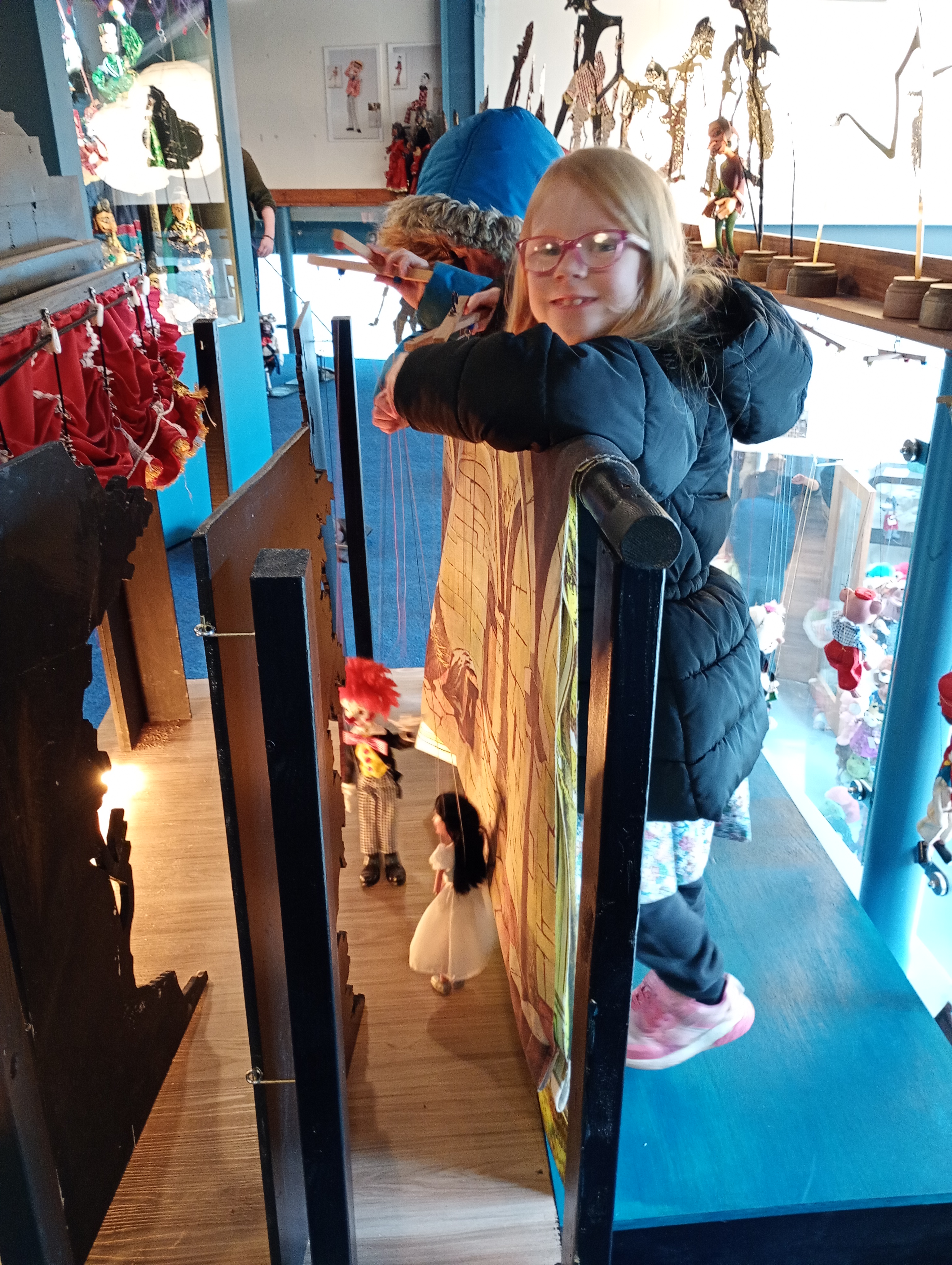
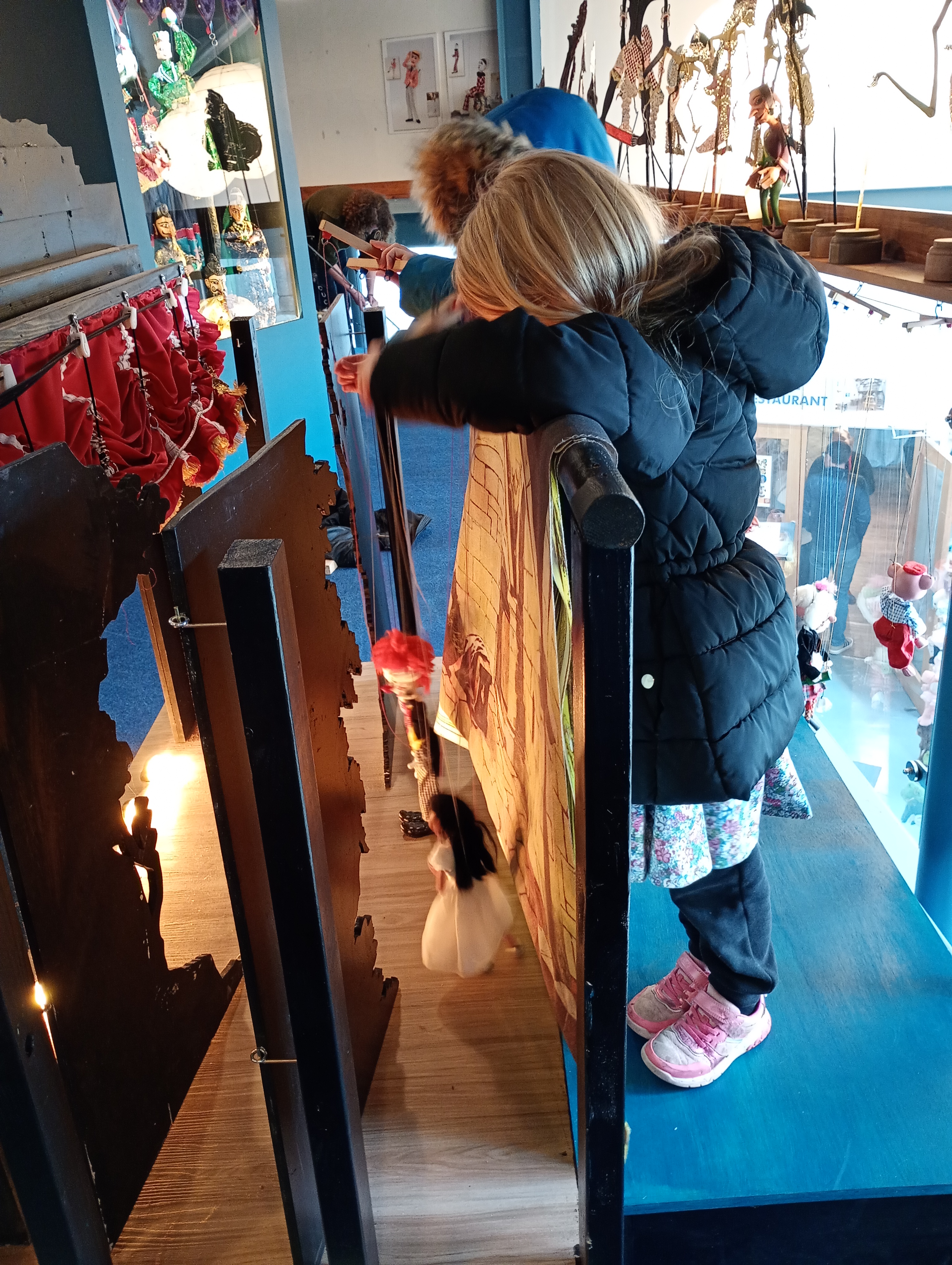
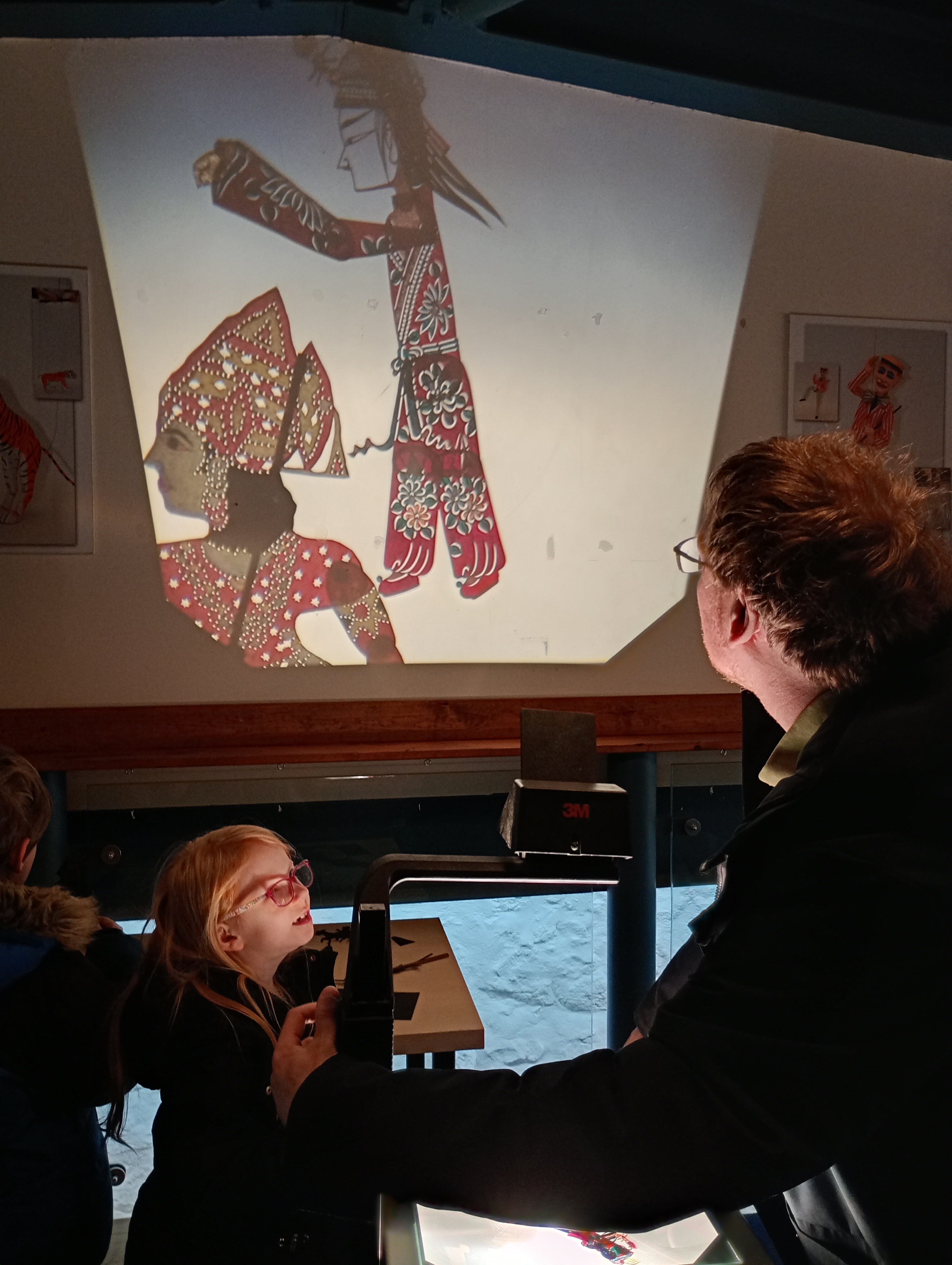
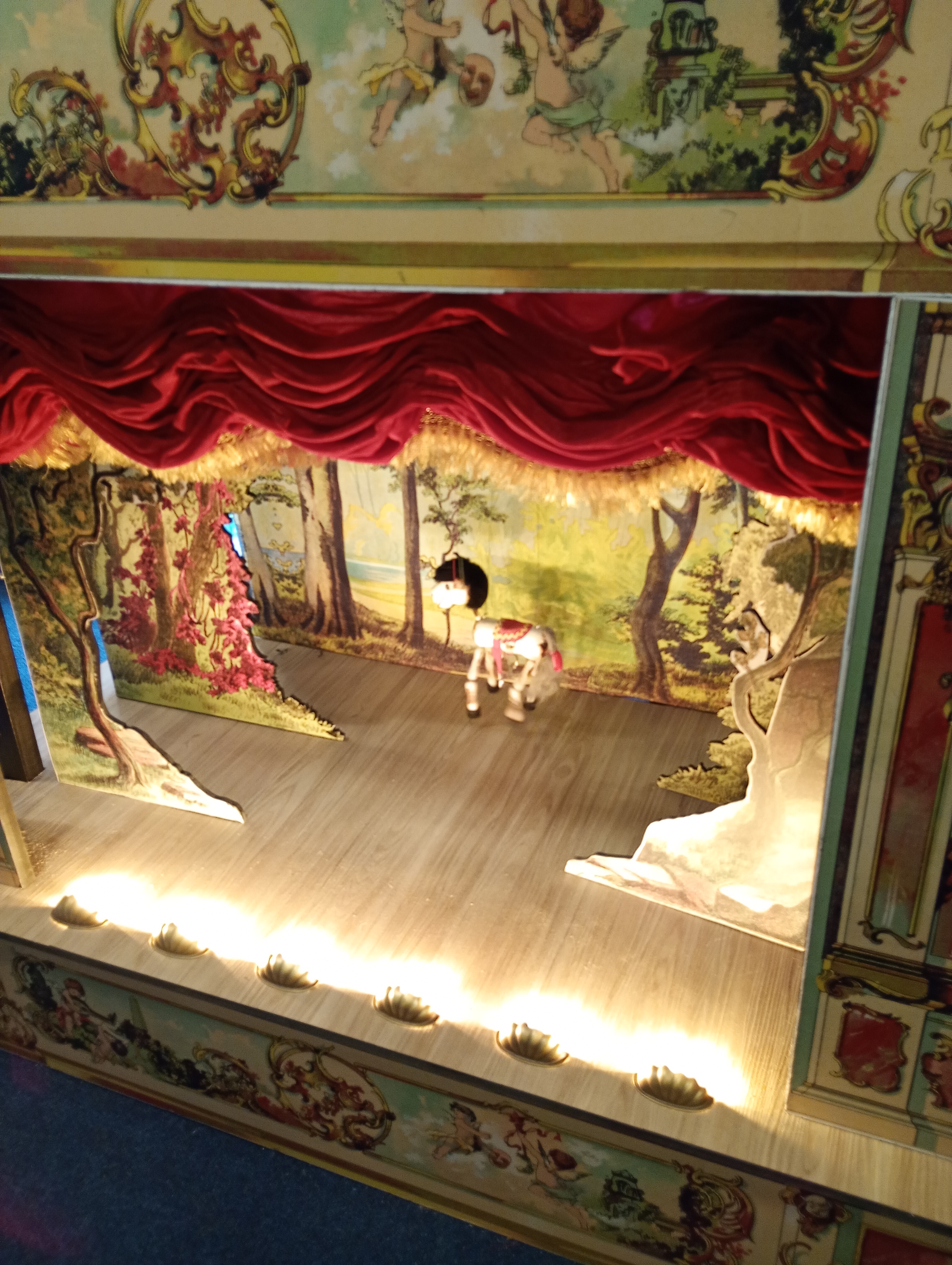
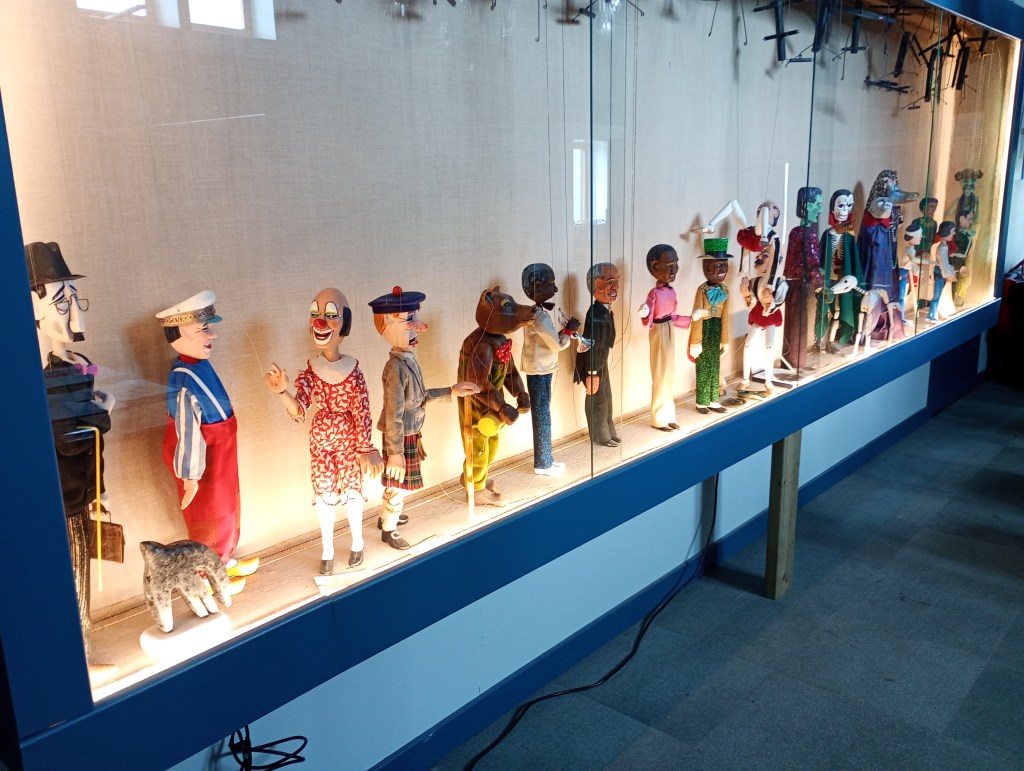
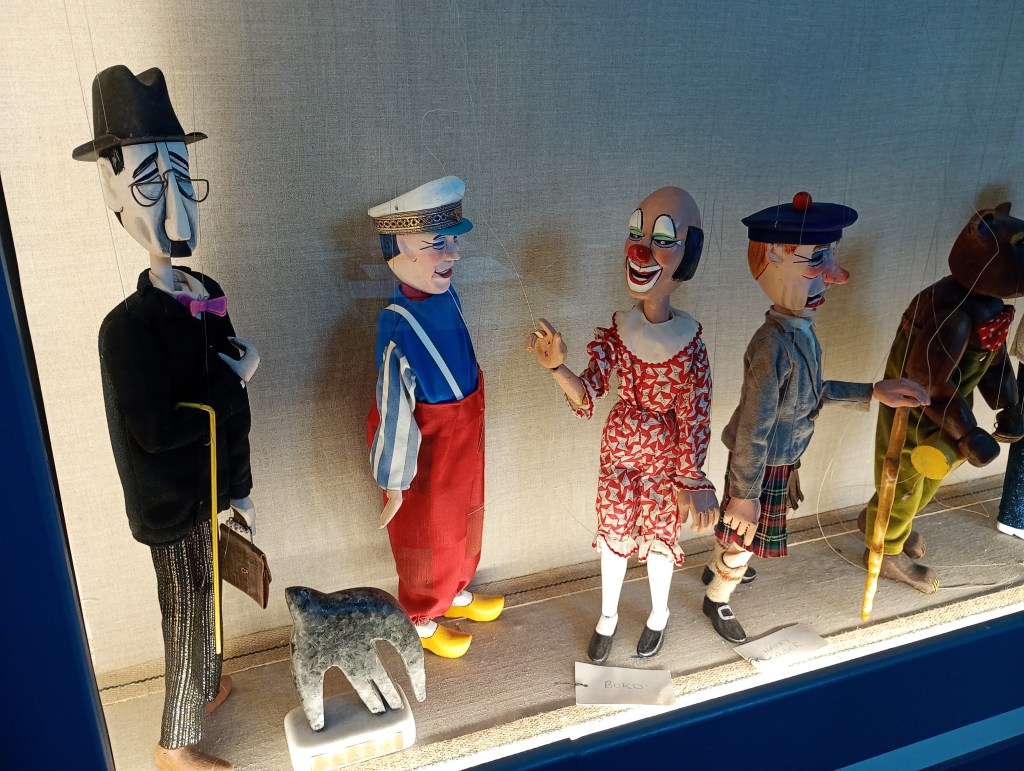
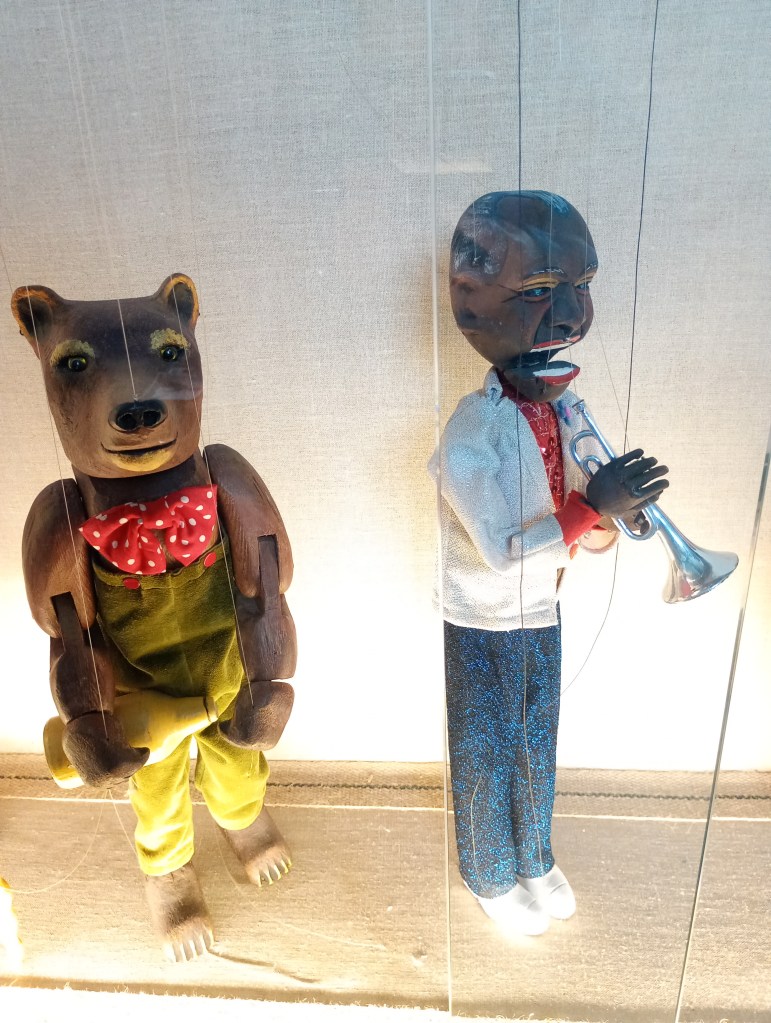
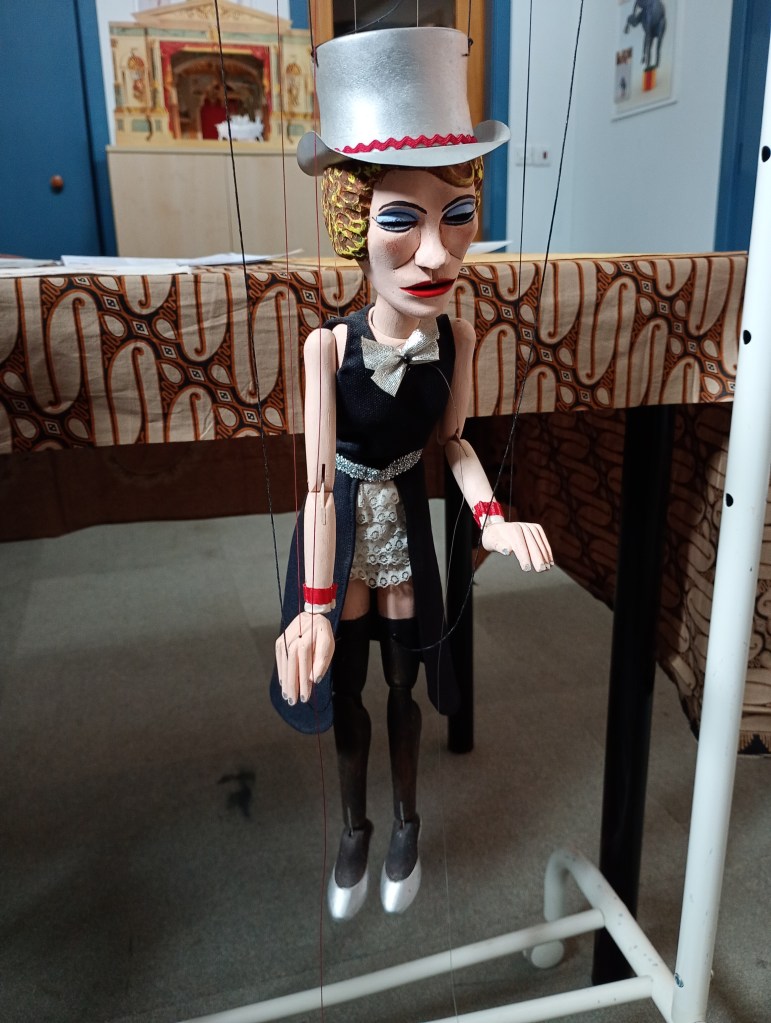
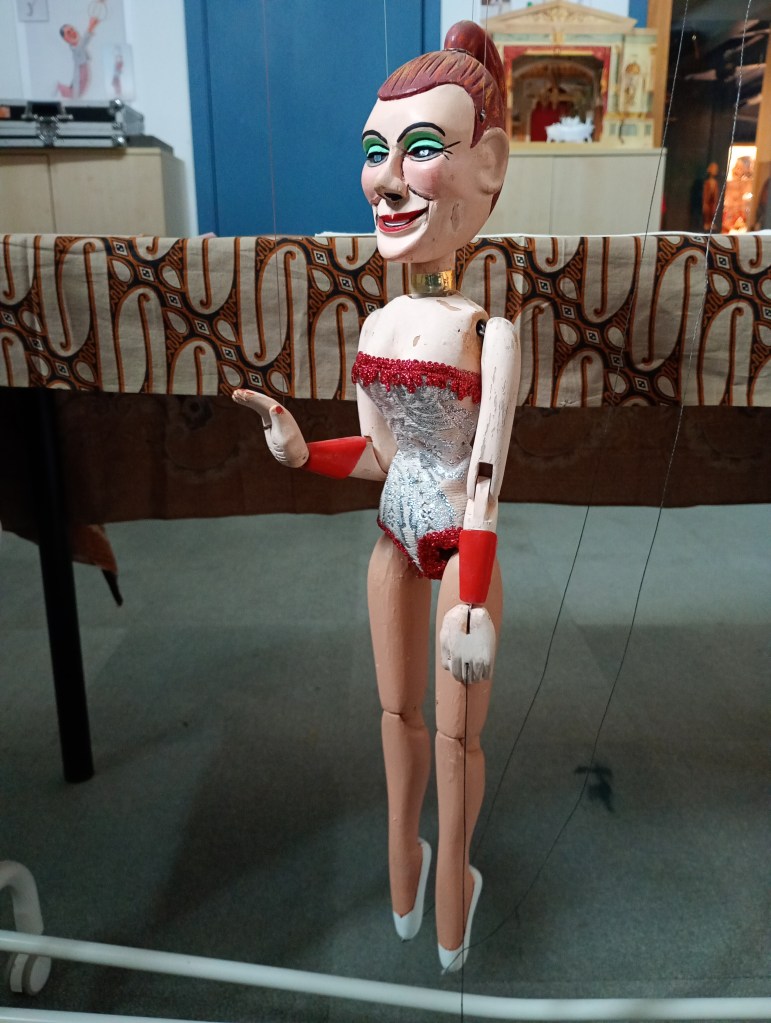
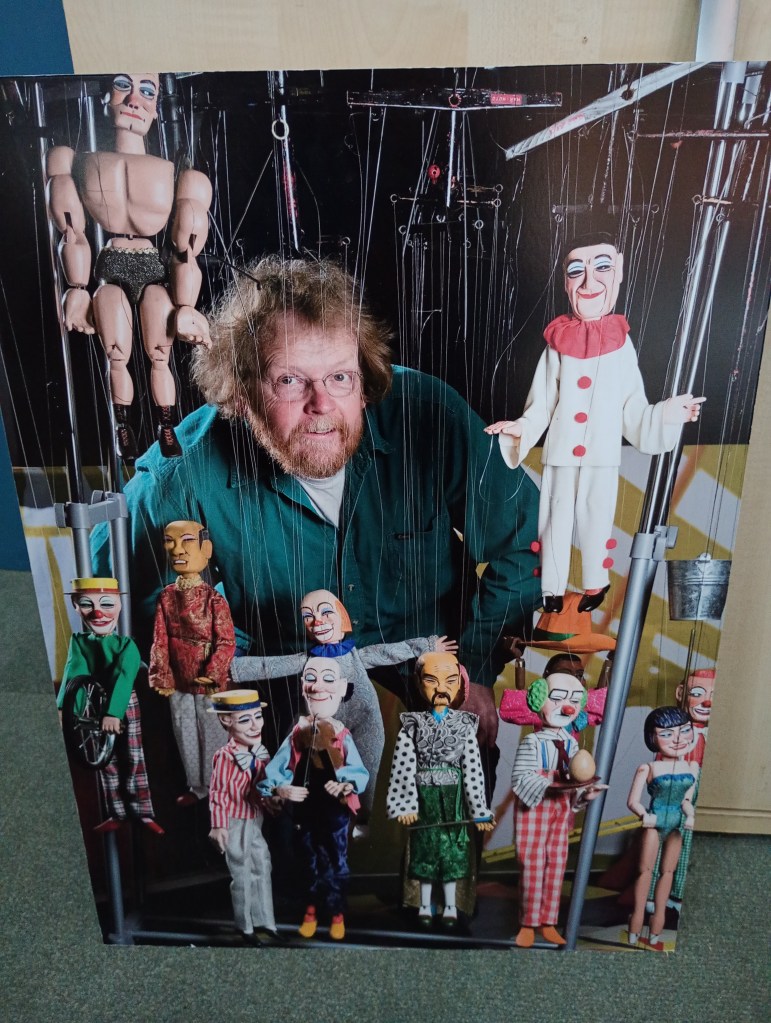
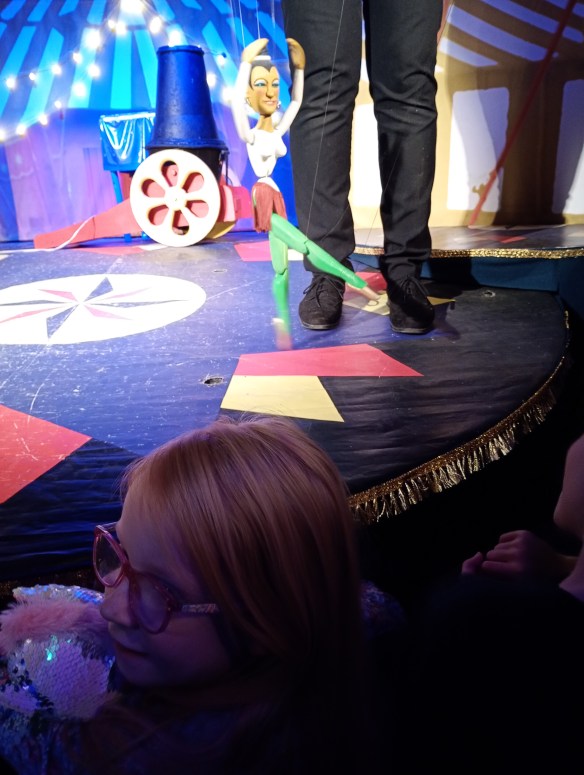
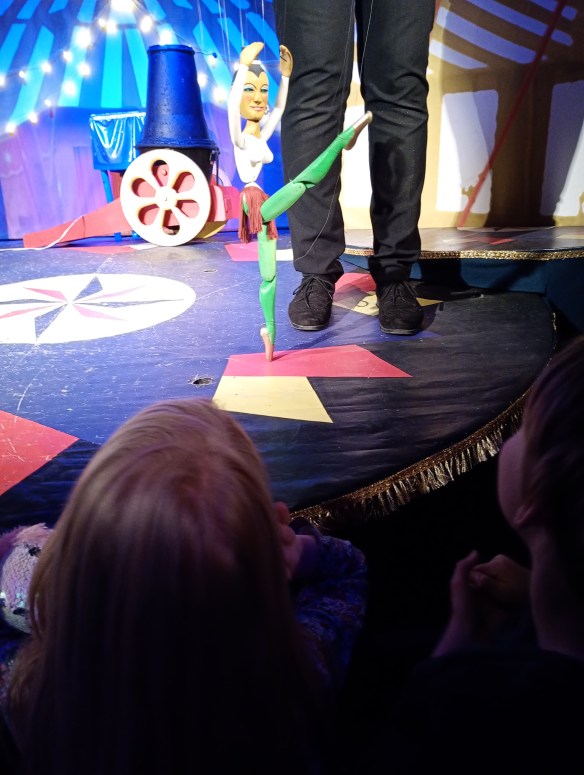
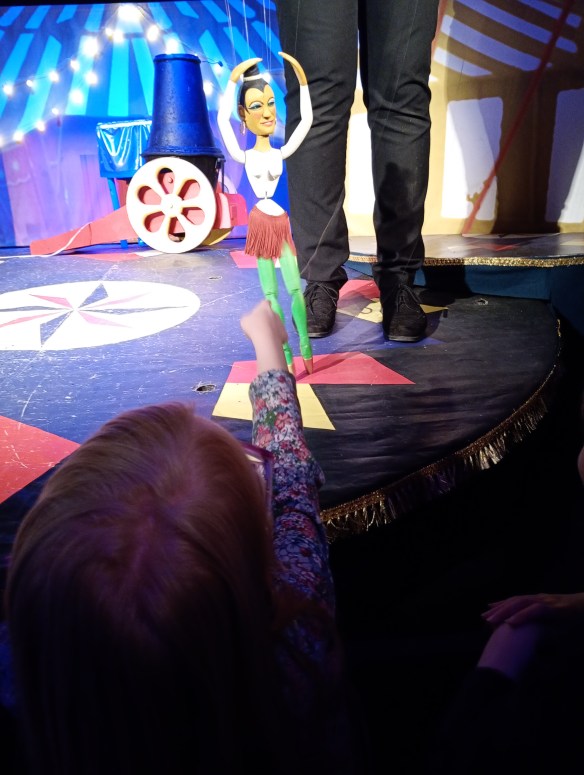
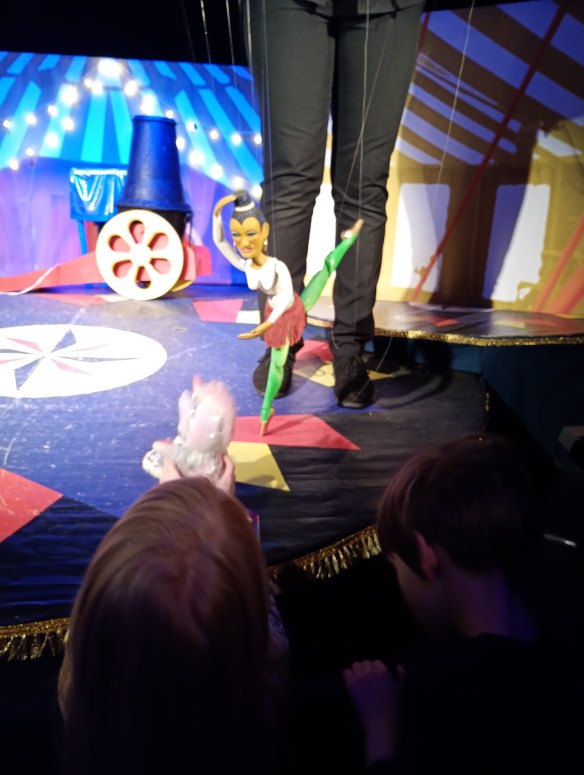
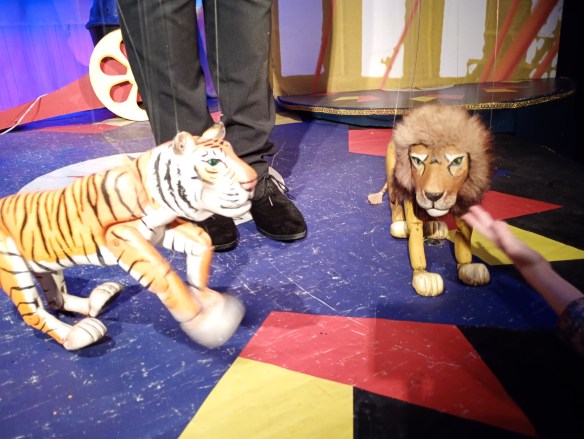
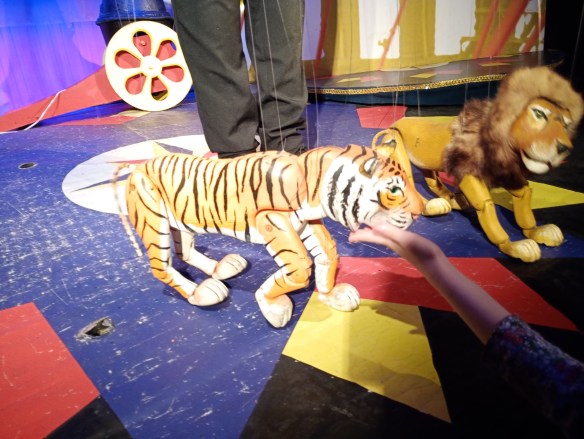
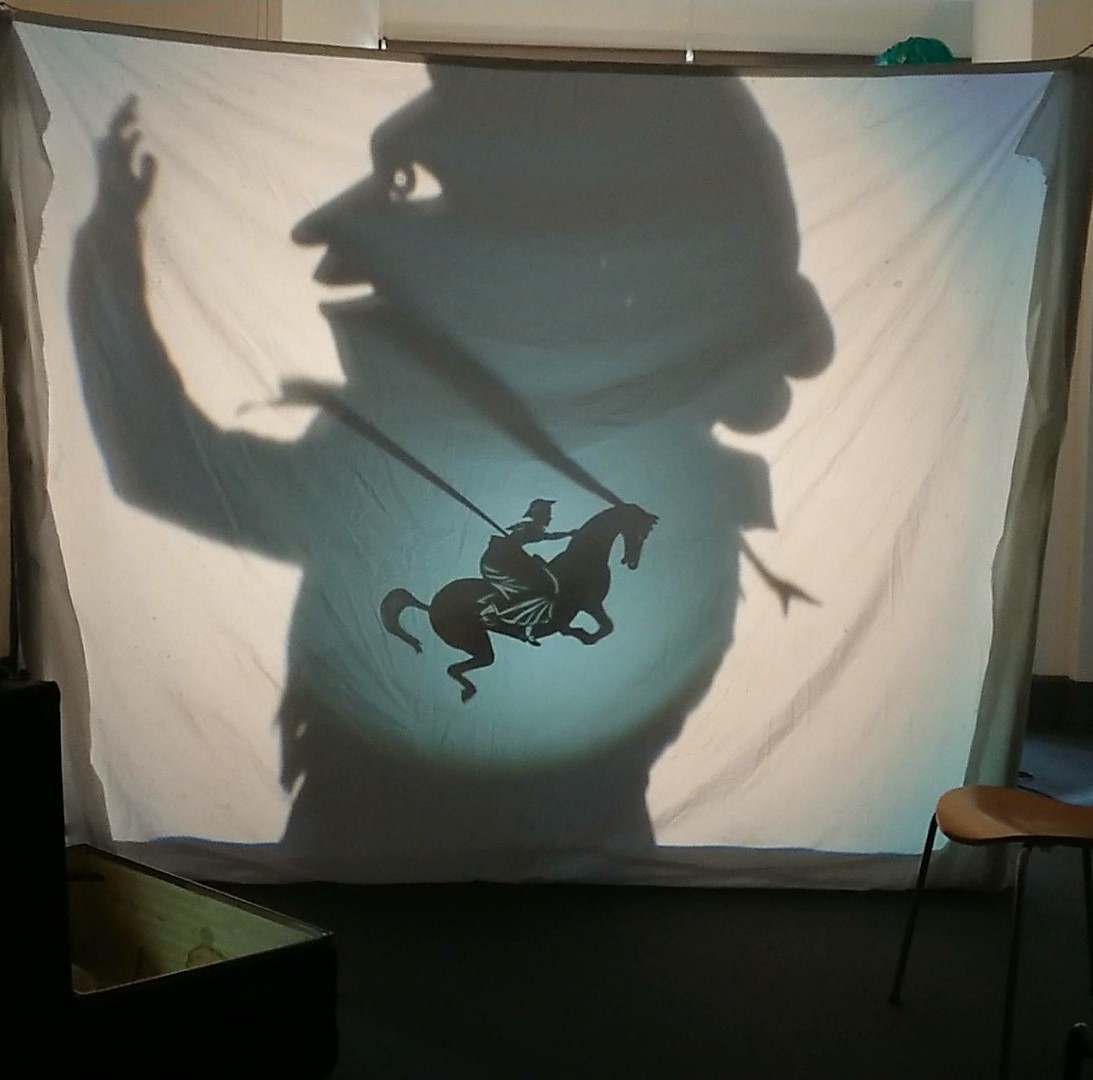
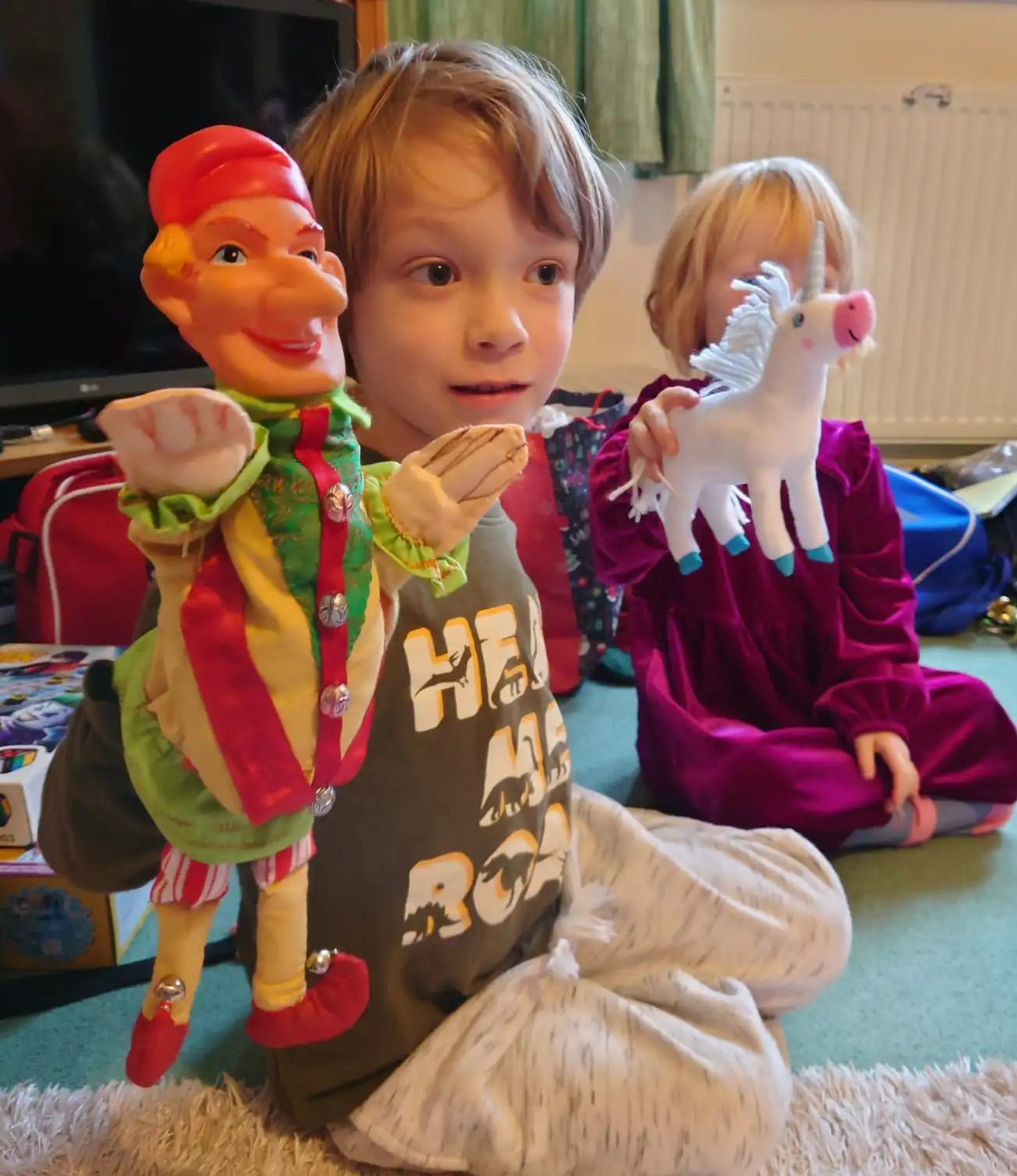
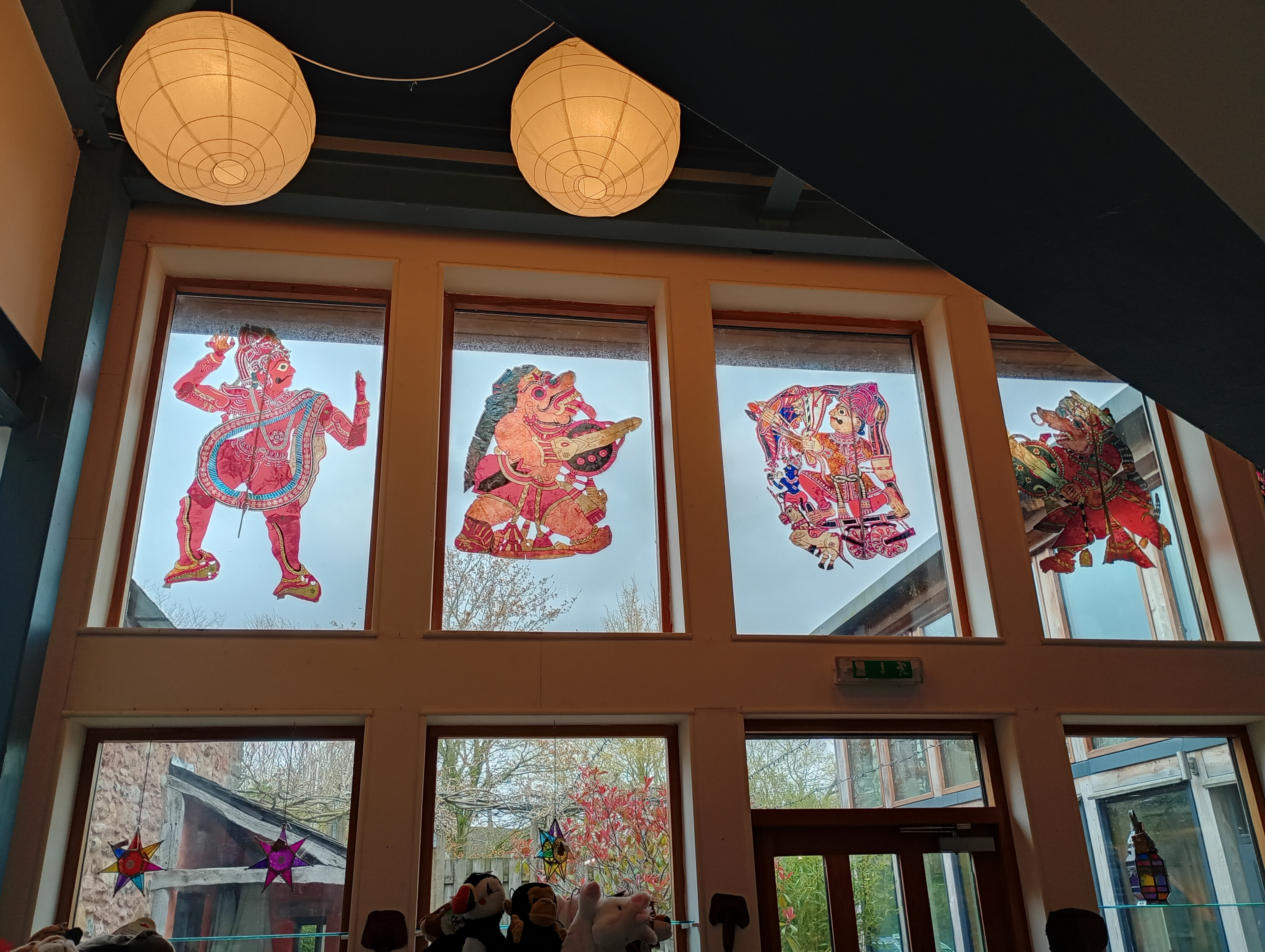
This Easter holidays we were very excited to discover that the long awaited Upfront Puppet Museum is now open and visitors with tickets to see the fantastic “Stanelli’s Super Circus” show were able to take a peek at the extensive and diverse range of puppets from all over the world. Visitors with children will be thrilled to discover that not all the puppets are in protective cases but are available for people to have a go in two delightful theatres that I presume John Parkinson has made himself. One is a marionette theatre with a bridge (raised platform) at the back, light switch and working curtain and the other is a glove puppet booth for Punch & Judy. The video and photos show my kids having a go with these plus the overhead projector and shadow puppets. John still has plans for further improvements but opening the museum now means he can get some contributions which will go towards these.

I also got to see another room where more of Stan Parker’s “Super Circus” puppets were displayed when they are not performing. I believe John rings the changes and swaps certain puppets in and out of the show. I noticed that he changed the puppet who was performing as the M.C. character from the last time we watched this show, for example.

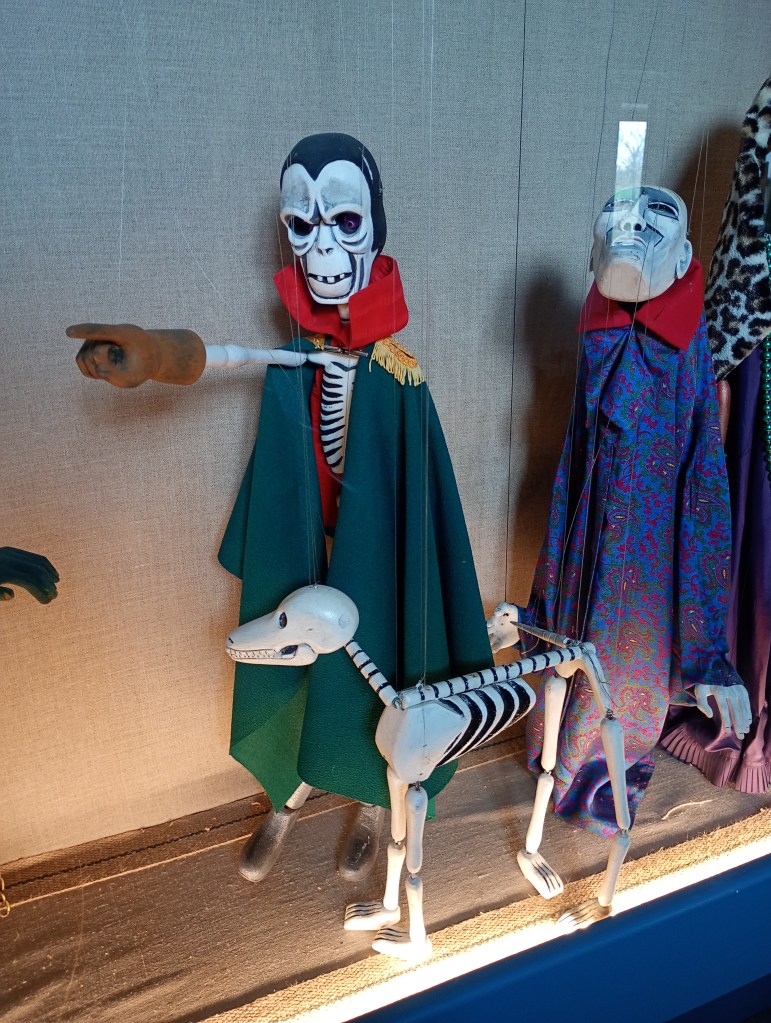
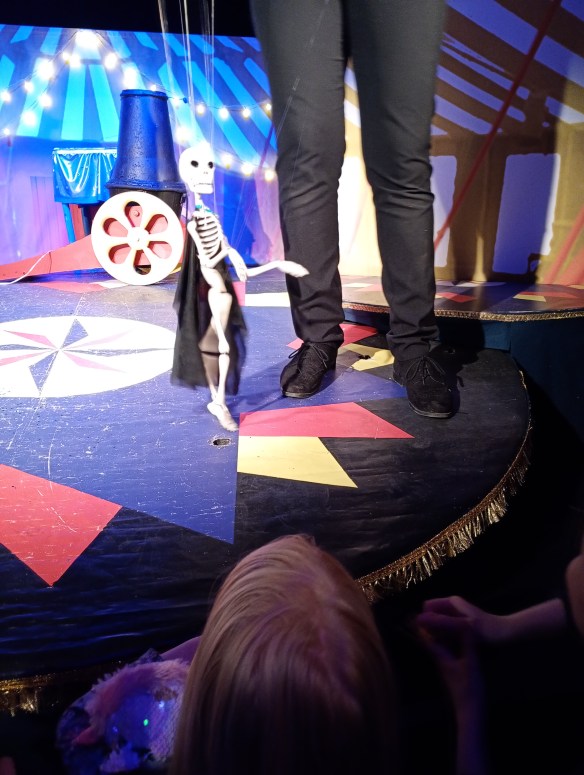
I was also delighted to meet Molly Agar (who I met at the Skipton International Puppetry Symposium) again as she was puppeteering the marionettes for the show with John. She did an incredible job considering that this was her first experience working with marionettes. All of the different puppets had their own particular stringing and characteristics to allow them to do their own particular tricks. Molly even used a dissecting skeleton puppet as part of the performance (a very popular type of cabaret style marionette). Learning to do all of that in a short space of time is no mean feat.

I have been to see this show at least 3 times now and it is lovely to see how the show has become honed and improved over the years. It is a very slick, highly entertaining, skilled performance with lots of laughs and audience interaction. As John says in his introduction it is a unique opportunity to see vintage circus marionettes being used in performance rather than hung up in a museum display. Real living history.

So, to conclude, I heartily recommend both the shows and the new museum. Upfront put on performances during school holiday periods so keep your eyes peeled for future showings. They hope to make museum tickets available to book on the website soon.

I have a number of other posts about visits to Upfront Puppet Theatre, feel free to browse some of the back catalogue below:

A Trip to the Puppet Circus

The Snow Queen

Jack and the Beanstalk

Pinocchio

What Puppetry Can Do that Nothing Else Can

Today (21st of March) is World Puppetry Day. You can read more about the origin of the day and special events that are being organised for it on the Unima website HERE.

If you are new to the World of Puppetry you might wonder what puppetry is for, or why it matters. Why use a puppet when you could get an actor? A person has a much wider range of facial expression than a puppet and: as Gerry Anderson (of Thunderbirds fame) discovered when he moved from puppetry to live actors, you can just tell the actor to go somewhere and pick something up and they can do it with minimal technical difficulties. Gerry always disliked the way the puppets that were made for his shows walked and in order to get maximum realism had his characters seated or shot from the waist up wherever possible.

A relaxing interlude for International Rescue (The Classic Thunderbirds exhibition by “Supermarionation Recreations” at Stone Puppet Festival)

The problem with using Gerry Anderson as an example is that although he and Sylvia Anderson (who made a massive contribution to “Supermarionation“) did a fantastic job and produced amazing work they never really wanted to work with puppets. They used them as a stepping stone to get a foot in the door of the TV production world and Gerry’s aim was always to produce TV shows with people. Because of this, their shows kept leaning further and further towards realism and realism is not generally where puppetry shines.

One way that a puppet outshines a human actor is that however good an actor they are, they are still someone pretending to be someone else and there are many famous actors who basically play themselves in every role. This is fine if the character is like them but it often jolts you out of the story if you are comparing them to their performance/appearance in other films, TV or stage shows that you have seen. A puppet is designed to BE the character and there are no physical limitations to overcome, no make-up or prosthetics needed to alter the actor’s appearance because you can make them EXACTLY how you want the character to be. They don’t go home at the end of the day and back to their real life. The puppet always IS the character.

This is particularly useful for magical/fantasy/science-fiction stories as a puppet can be a dragon, a robot, can fly, can transform from one thing to another. Shadow puppets in particular can easily perform tricks such as shrinking, growing or disappearing altogether.

One of the reasons I love making puppet shows is that they combine so many different elements and skills. There is the art of designing and making the puppets which are often beautiful showpieces in themselves. There is the movement of the puppet which tells the audience all about the character. A villain might move in a slinky, sneaky way, silent and secretive. A hero might be more upright and move confidently and boldly through the space. A cowardly character would move with trembling and hesitation and be able to shrink down and cower away from perceived threats. They are fantastic aid to storytelling and can tell stories without words or in addition to words so that those who have a visual preference or are D/deaf can follow what is happening. The fact that they are puppets also allows people to project their own thoughts, feelings and emotions onto the characters and everyone will have their own individual experience of the same show. Puppets with carved wooden features that do not move are often perceived by audience members to change expression through the puppeteers skill, use of lighting and the audiences own imagination, (which is not to be underestimated).

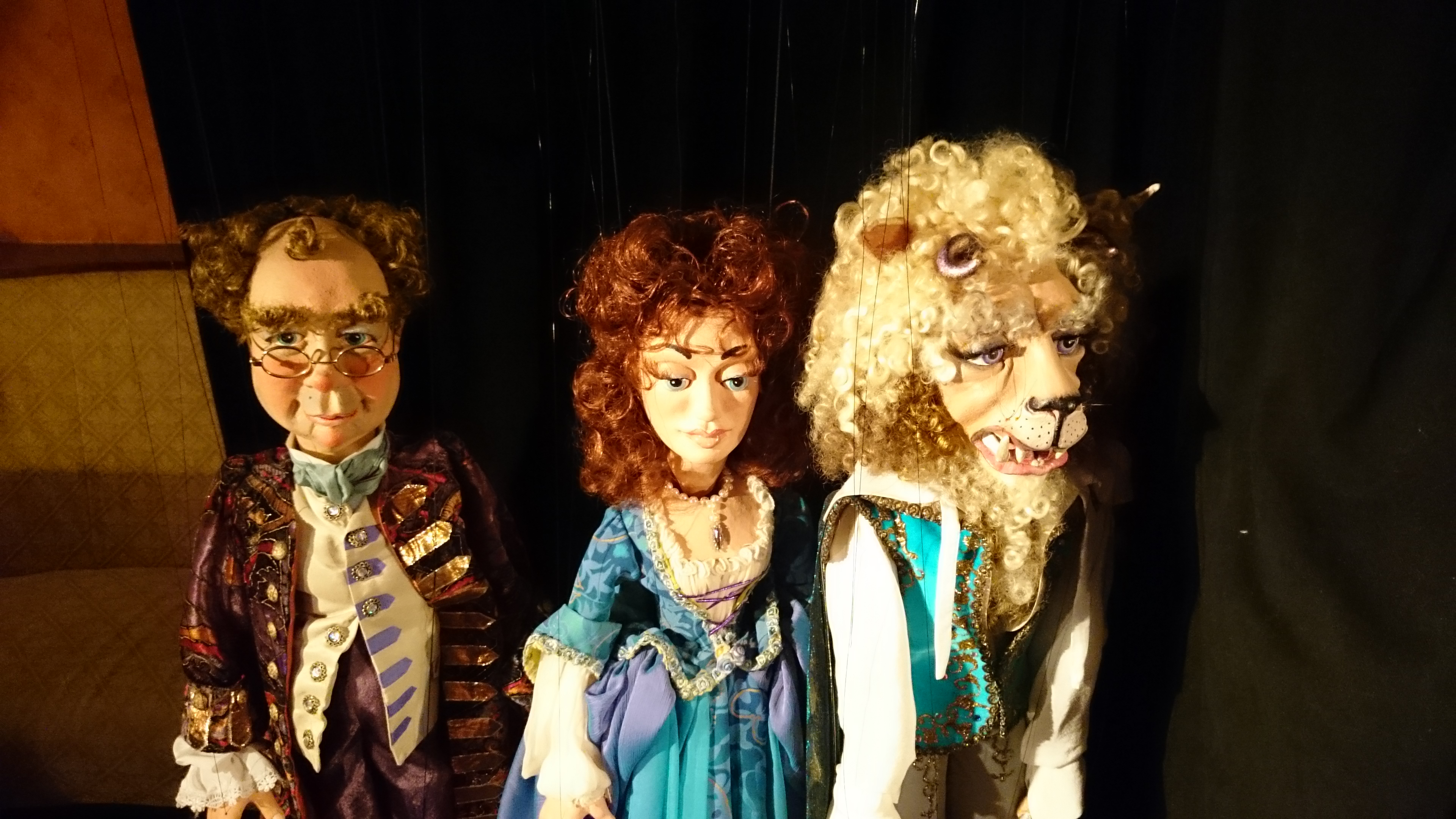
Marionettes from a production of “Beauty & the Beast” (Exhibited at Stone Puppet Festival)

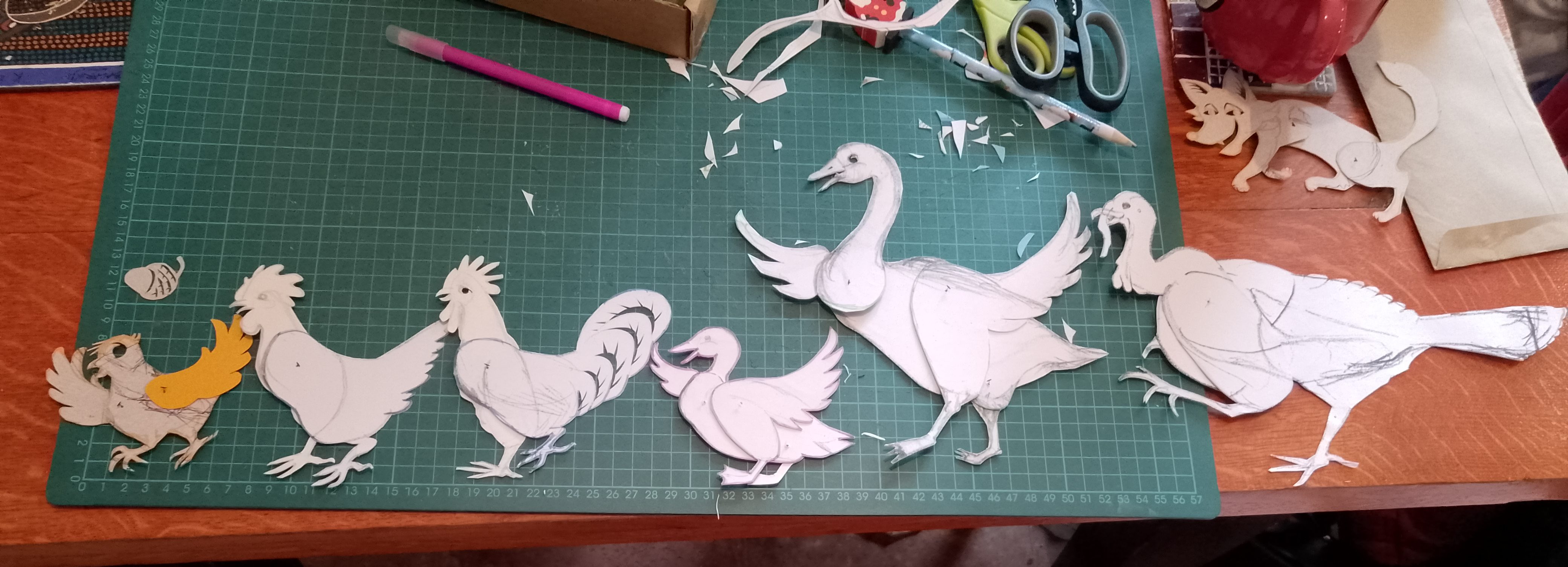
Another reason I love the artform of puppetry is that anyone can make a puppet using cheap materials or even things that would otherwise be thrown away. The main limitation is your imagination and skill, (and skills can be learned and improved through doing and trying things out). A lot of my workshops making shadow puppets use cereal or pizza boxes as this is a perfect thickness to cut out and be sufficiently sturdy to work with. To make a show all you need is a puppet (or a hand if you want to do hand shadows) a light source and a screen (which could be a sheet pegged to a line) or a blank wall.

Puppetry can be less intimidating as an artform than some as anyone who has played with their toys at home and acted out different characters with them can bring a puppet to life. Obviously, specialised techniques and practice improve a performance but there is nothing wrong in simply enjoying playing with puppets and amusing yourself, your family and friends. Play, in itself, is hugely beneficial: educationally, emotionally and great to promote good mental health, confidence and creativity. And, lets not forget, creativity is beneficial not just of itself but is great for problem solving and helps with all subject areas in a curriculum and all kinds of careers in later life.

With so many councils downgrading or removing arts funding altogether and arts subjects and teachers disappearing from the curriculum at Primary, Secondary and Higher Education level an art form that is possible for people to have a go and create their own work themselves is increasingly important.

Puppetry is also able to give confidence and a voice to those who might otherwise be too shy to speak. A child can speak using the puppet’s voice without worrying about being judged and can even speak as the puppet without being seen themselves (if being looked at is a problem for them). For this reason puppetry is often very attractive for neurodiverse people and can also be used as an effective therapy tool in all sorts of settings.

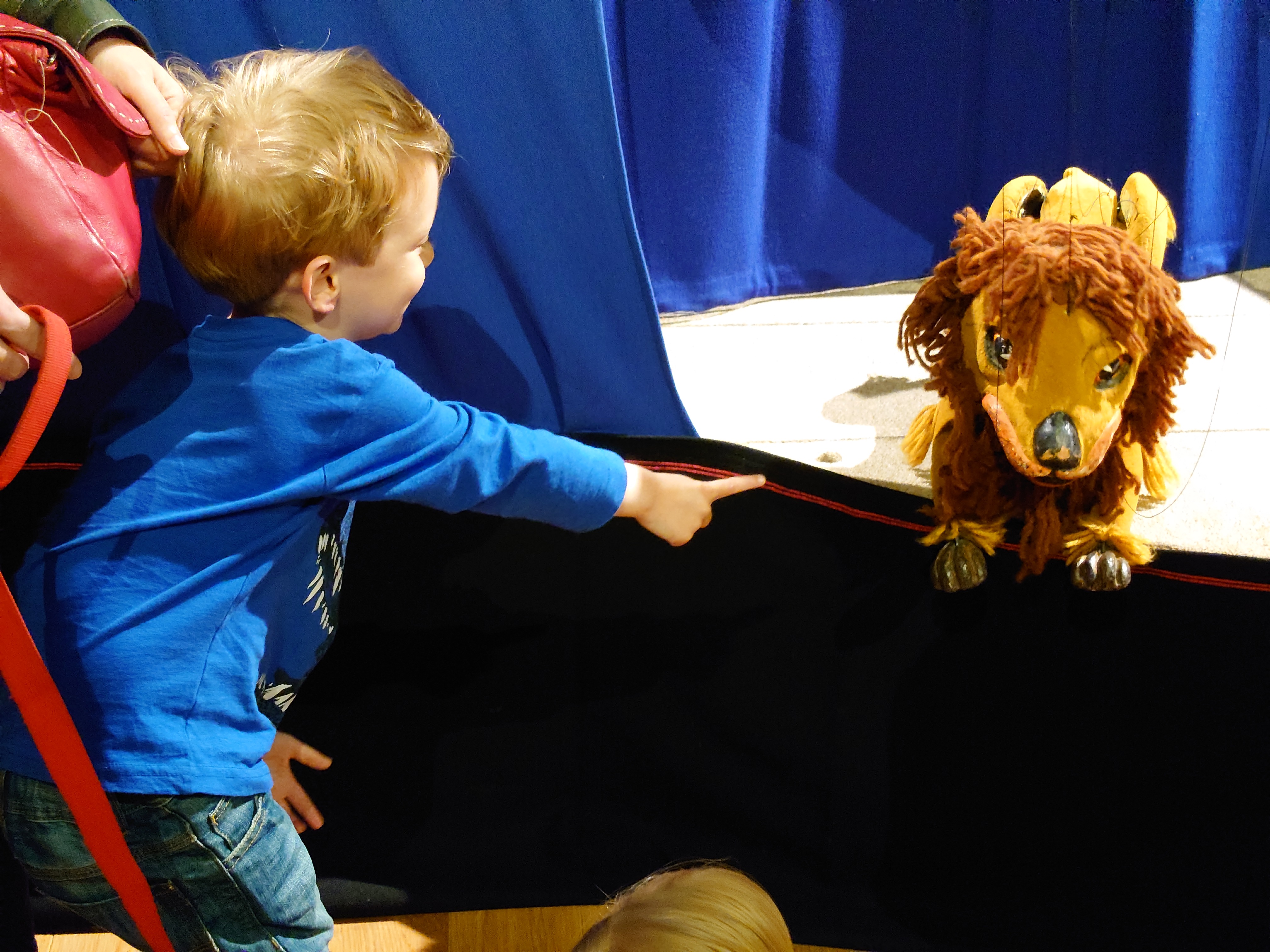
A Lion from the “DaSilva Marionette Circus Troupe” performed by Noisy Oyster

If you want to learn where to start or learn the best techniques then the British Puppet Guild is a very open and inclusive group full of people who are very willing to share their expertise and have all sorts of events both online and in person. You don’t have to be a professional to join and there are members of all ages and abilities so there is no worry about whether you are “good enough” to join, beginners are welcome. Members get an annual magazine put together by the membership called “The Puppet Master” full of colour photos, interesting articles and sometimes instructions to make theatres or projects.

PuppeteersUK have a directory of professional puppeteers with a wealth of expertise in different areas which you can access to find out what puppeteers are available in your area for shows, workshops and events.

BrUnima is the British arm of UNIMA which unites puppeteers and puppet makers from around the world and they are worth checking out too particularly if you interested in finding out about different puppetry traditions from around the world. BrUNIMA produce The Puppet Notebook annually which is full of in depth articles from practitioners and academics usually around a theme.

If anyone knows the makers/puppet companies who produced the Beauty & the Beast marionettes in the photos which are uncredited from Stone Puppet Festival, (I think they are from Ian Denny and Glen Holden) feel free to mention them in the comments 🙂