Why We Need Creativity and The Arts in Education

When I studied for my degree in Arts Education at Bretton Hall in Wakefield, we spent a lot of time exploring why the arts matter in schools — not as a “nice extra”, but as a powerful tool to help children learn, understand, and make sense of the world.

Over the years, there has been an increasing focus on measurable outcomes and core subjects. While literacy, numeracy, science and technology are clearly vital, however, education is about more than just passing tests. Children aren’t empty vessels to be filled with information and they aren’t robots being trained for productivity. They are curious, emotional, imaginative human beings who learn best when they are engaged, motivated and able to see the point of what they are doing.
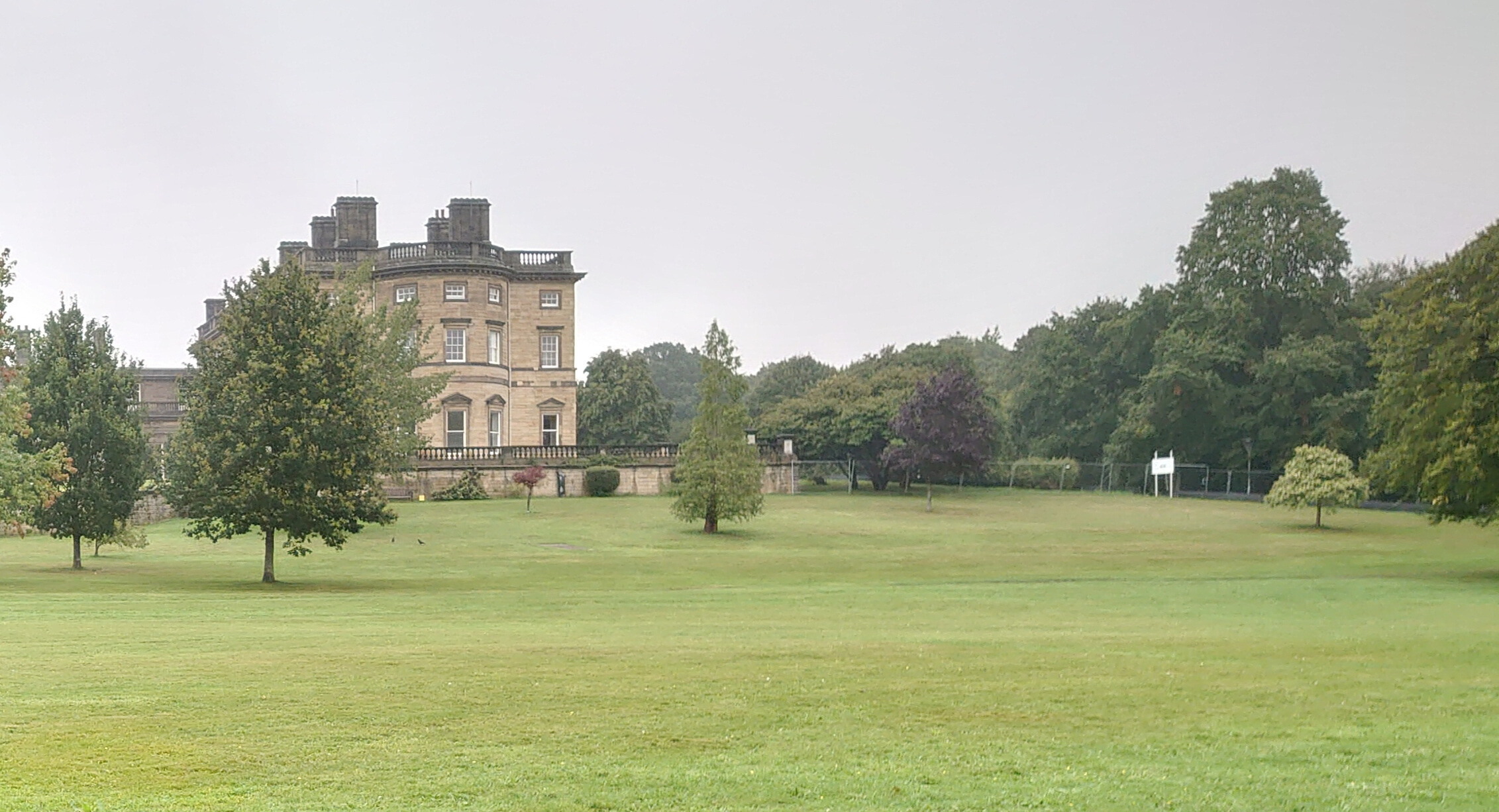
The Mansion Building at Bretton Hall

During the pandemic, science and technology helped keep us safe and connected, but it was also stories, music, creativity, and shared culture that helped many people cope with isolation and uncertainty. That was a powerful reminder that the arts aren’t a luxury — they’re part of what makes us human.

Creativity isn’t separate from “serious” learning. In fact, real science, engineering and problem-solving all rely on imagination: asking “what if?”, trying things out, experimenting, and thinking in new ways. When learning becomes only about ticking boxes and memorising answers for tests children can lose that sense of curiosity and purpose. Creative approaches help bring meaning, motivation, and deeper understanding back into the classroom.
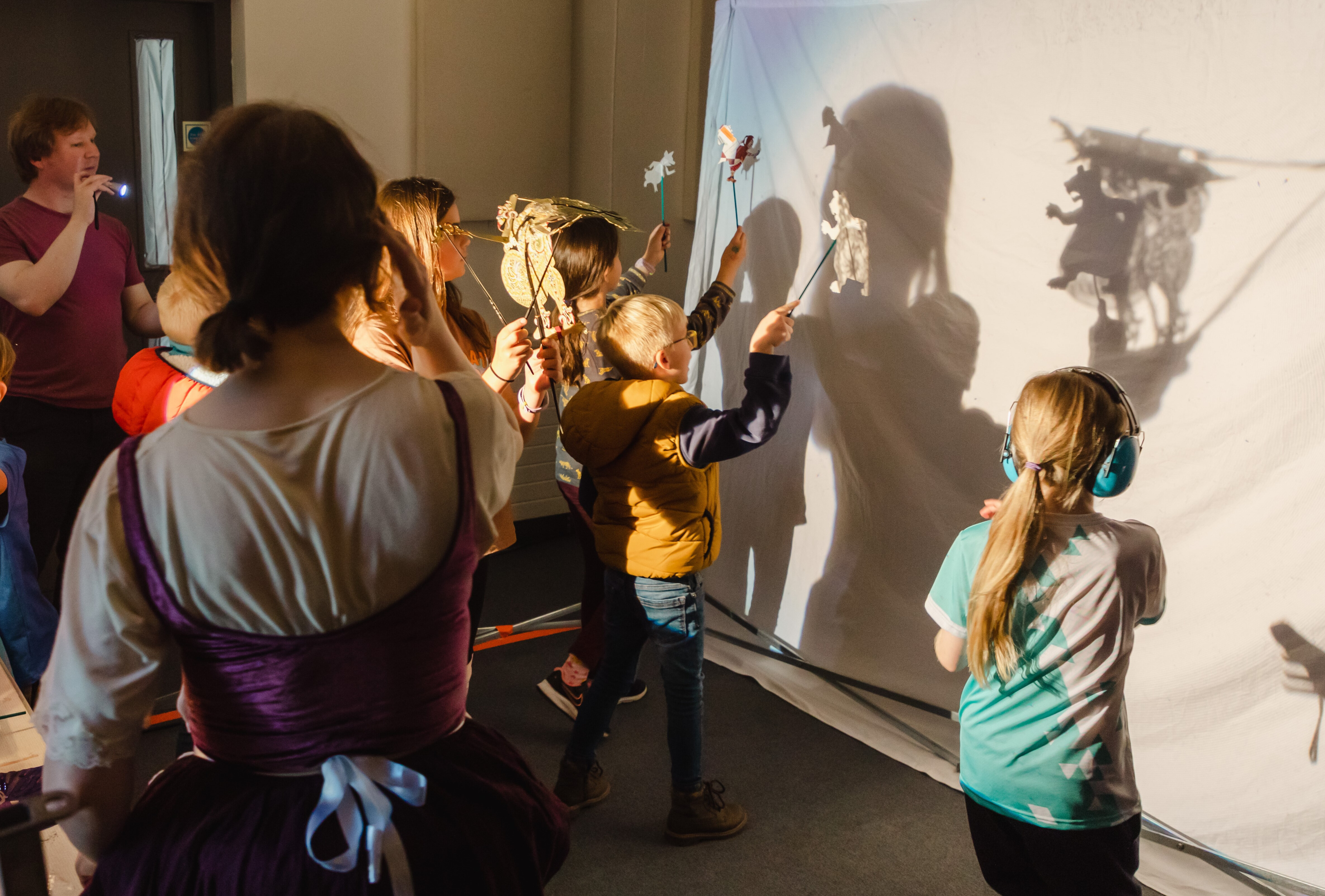
One of the most effective ways to do this is through learning-by-doing. Imagine pupils being asked to design a playground: they have to measure space, manage a budget, make decisions, explain their ideas and work together. Suddenly maths, literacy, design and problem-solving aren’t abstract — they’re tools for doing something real. Drama and storytelling can work in exactly the same way, placing learning inside a meaningful, memorable context.
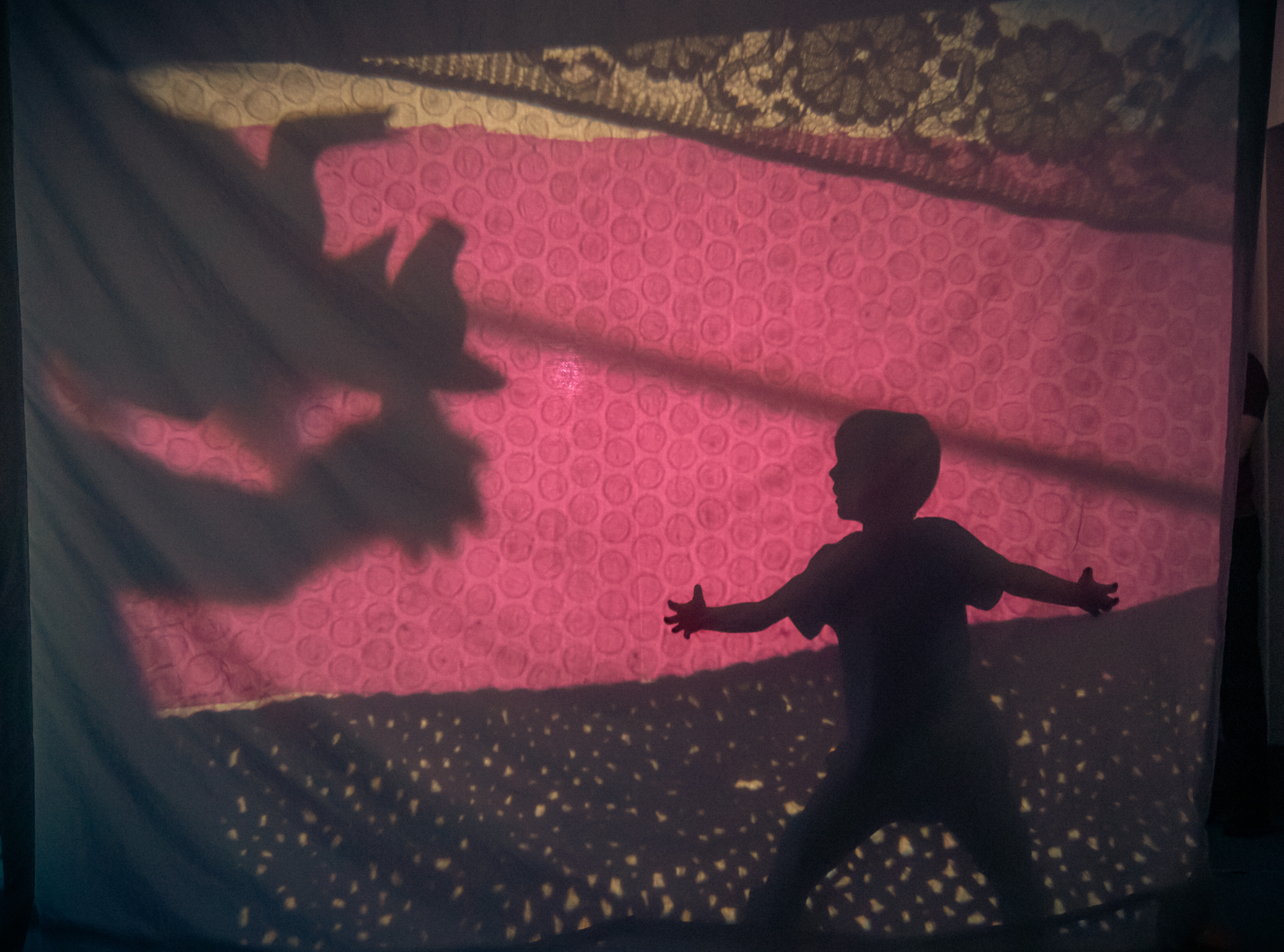
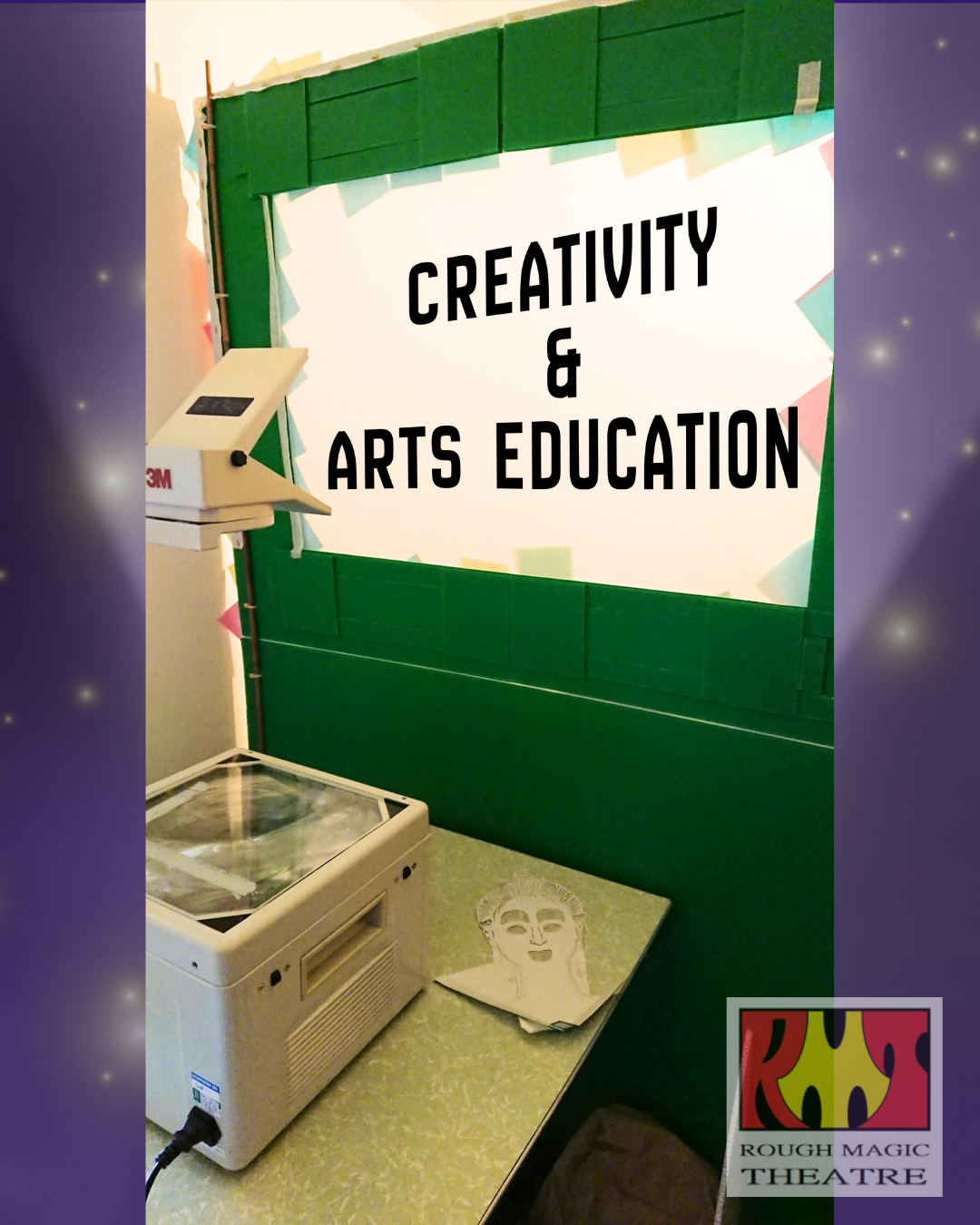
This is one of the reasons I love working with shadow puppetry in schools. It naturally brings together storytelling, art, design, performance, and teamwork — and it does so in a way that feels magical, playful, and accessible to children of all ages.

When you book a shadow puppetry performance and workshop with me, pupils don’t just watch a show — they take part in a rich, cross-curricular learning experience:
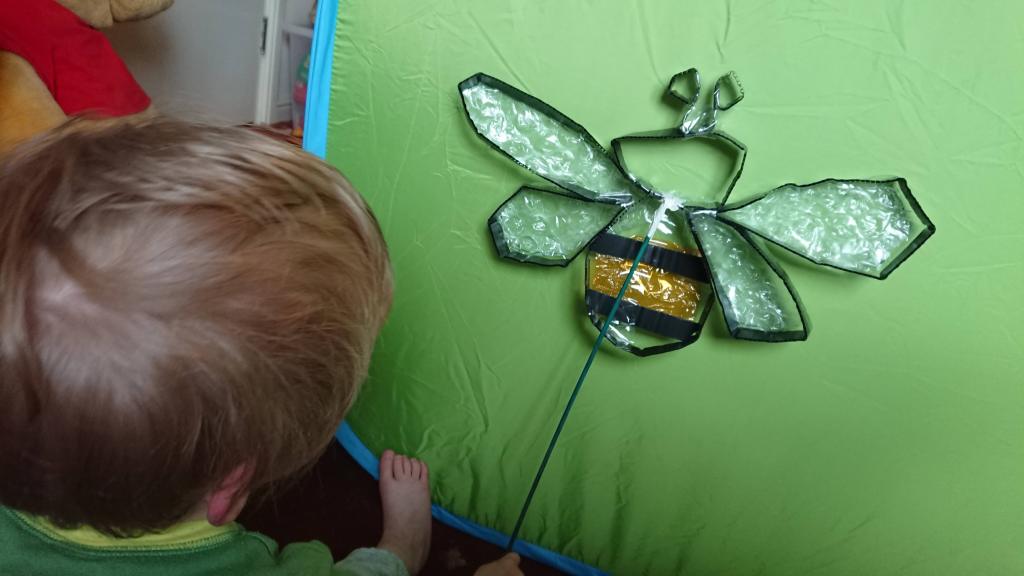
  • Literacy & storytelling – creating characters, narratives, and performances, often linked to texts you are already studying
  • Art & design – designing and making puppets, exploring silhouette, shape, and visual storytelling
  • Science – discovering the properties of light and shadow, and how images change with distance, scale, and angle
  • Teamwork & communication – working in groups as narrators, performers, and designers
  • Fine motor skills – cutting, assembling, and manipulating puppets, supporting dexterity and hand–eye coordination
  • Confidence & performance – presenting work to others and taking pride in something they have created

Perhaps most importantly, children have fun — and often don’t even realise how much they are learning while they’re doing it.

Shadow puppetry also shows pupils that they don’t need expensive equipment or electronic screens to tell powerful stories. With simple, inexpensive materials, they can go on creating their own shadow plays long after the workshop is over — developing creativity, confidence, and curiosity along the way.

For me, that’s what arts-based learning is really about: not just making something nice, but helping children discover new ways to think, express themselves, and engage with the world around them.
Making a Practice Marionette from KNEX

At the Marionette Masterclass I went to at the Harlequin Puppet Theatre (CLICK HERE for previous post), Ronnie Le Drew talked about how important it was to have your own marionette to practice with at home and that if you wanted to improve it was important to practice every day, just like when you are learning a musical instrument. Indeed they were keen to stress that learning to use a marionette well takes years, rather than the hours that we had spent on that 1 day masterclass.

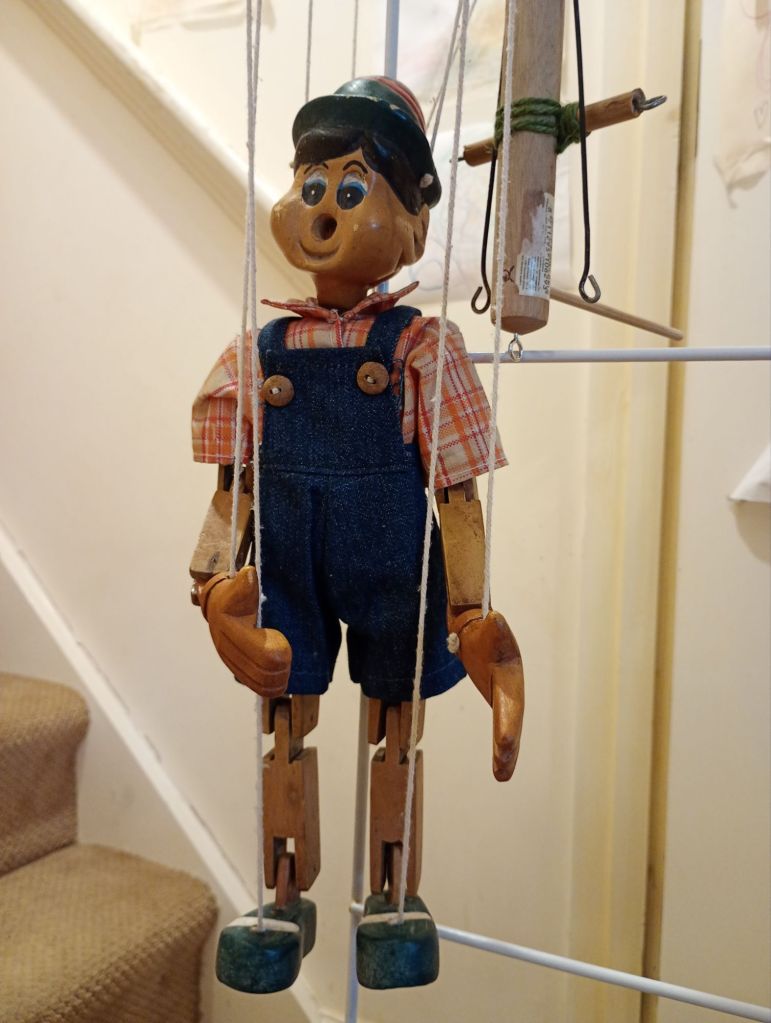
I didn’t feel like I had money to spare to buy a really good marionette so I bought a vintage Pinocchio marionette with a missing nose that I figured I could repair and restring from Ebay as well as some of the special vintage marionette cord (of the same kind recommended by Mike Dixon).

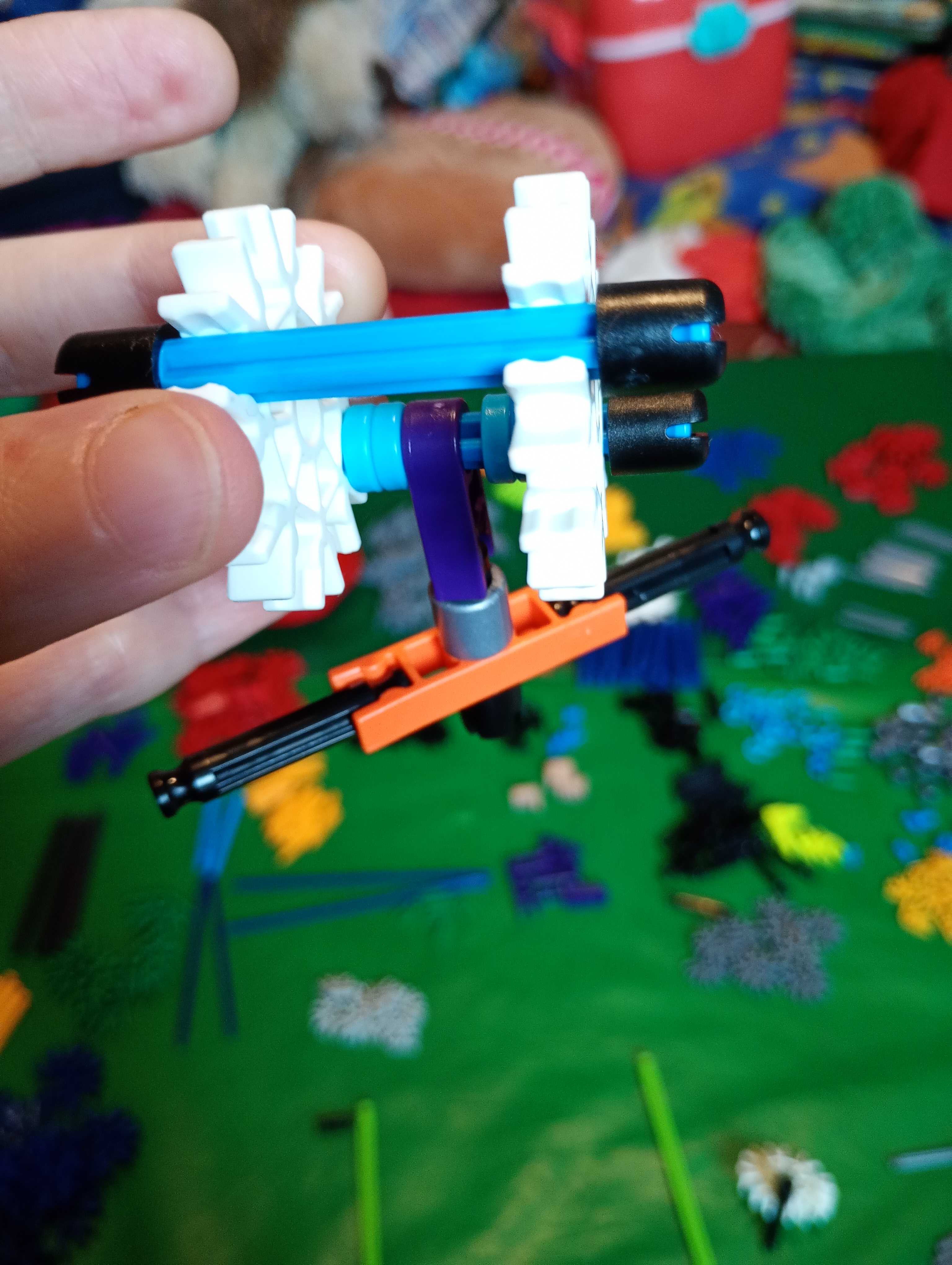
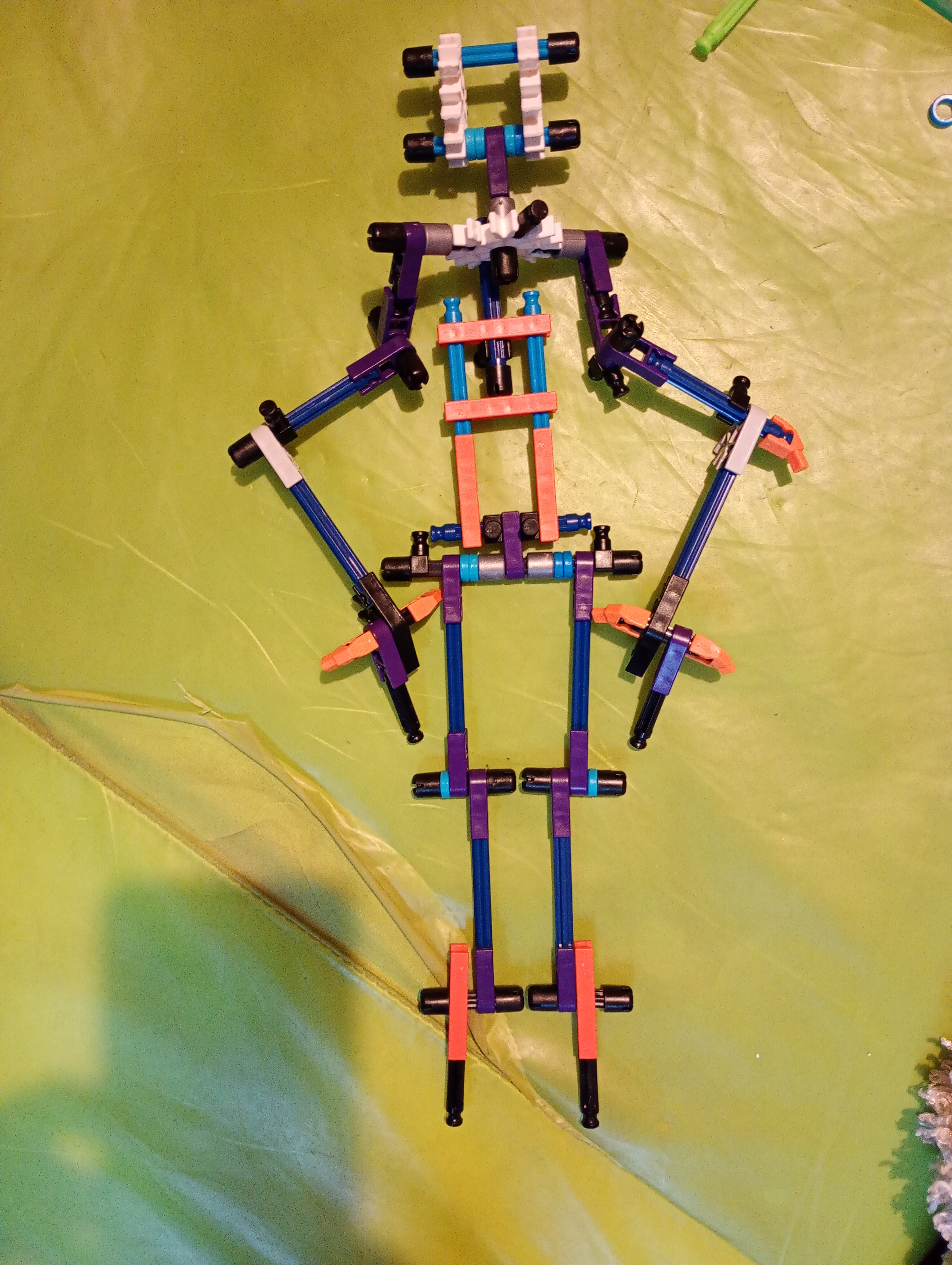
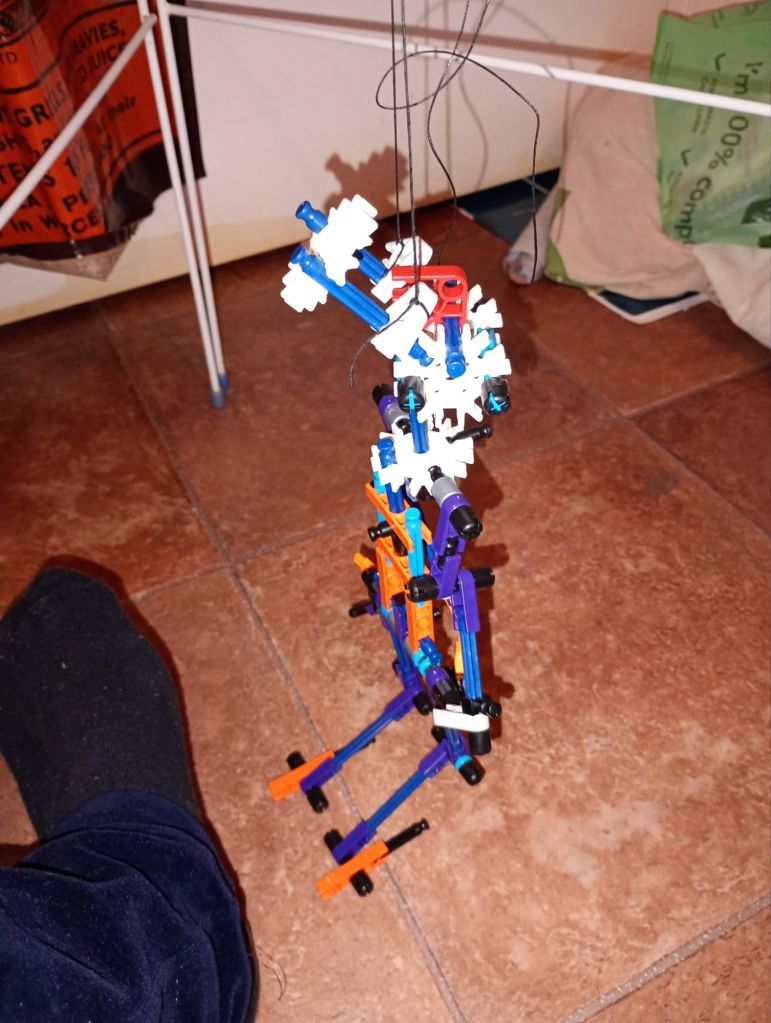
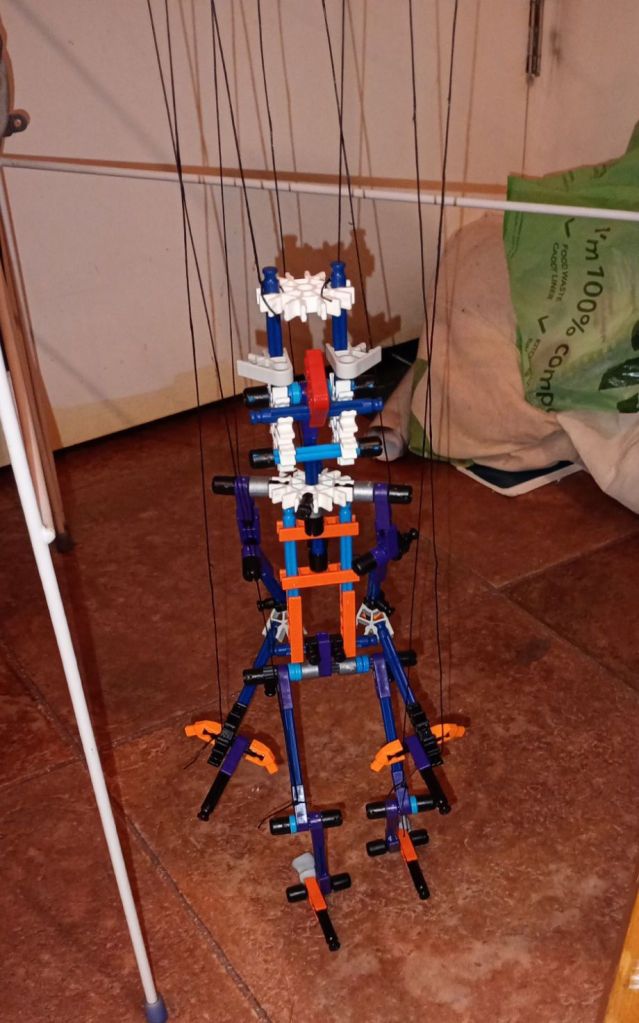
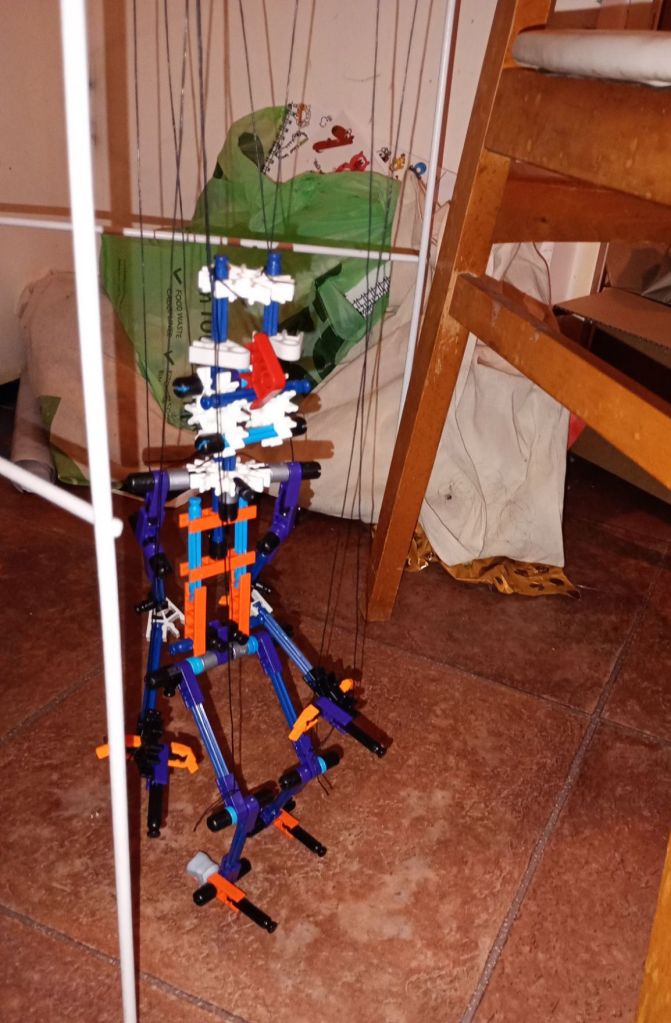
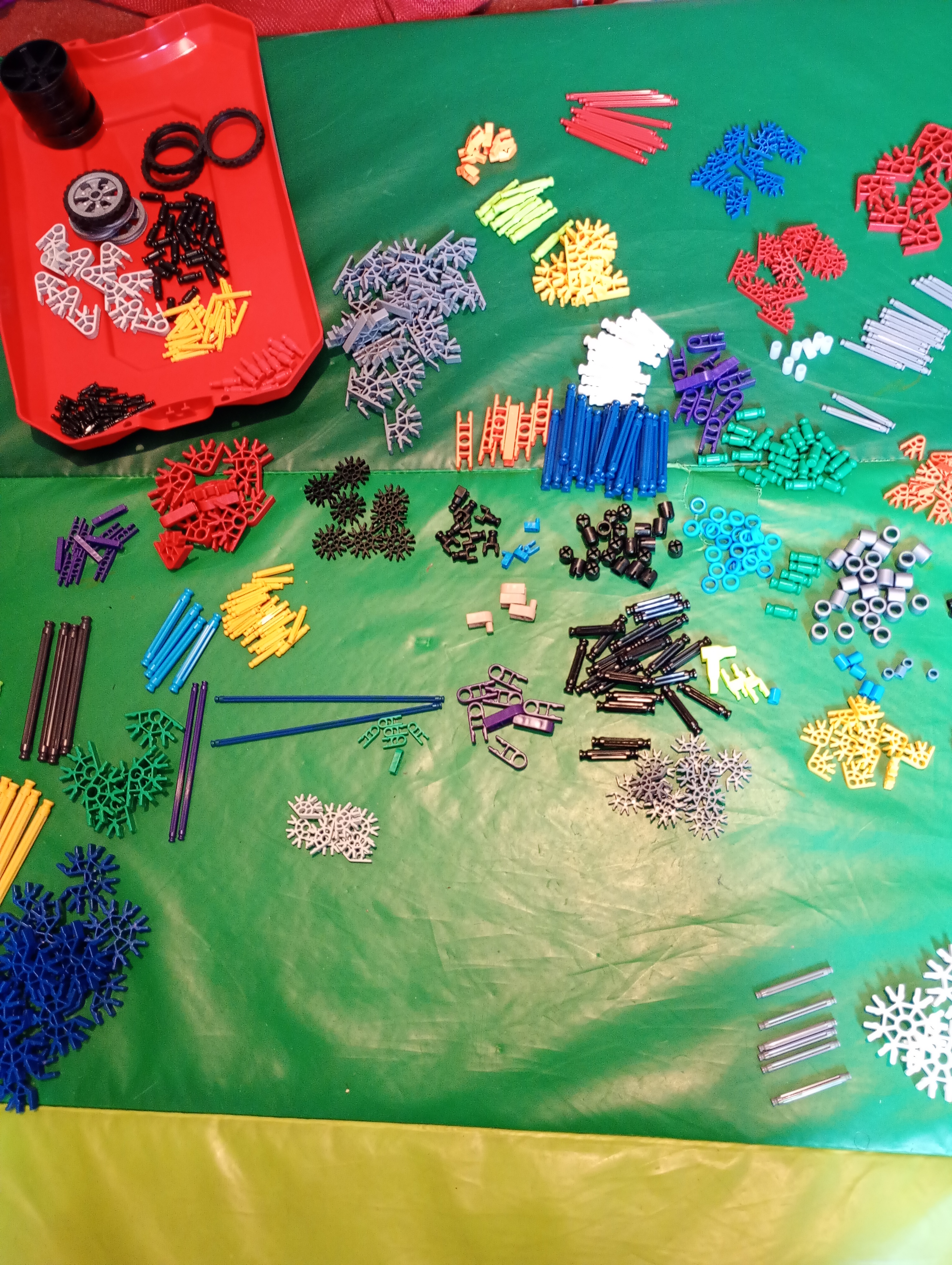
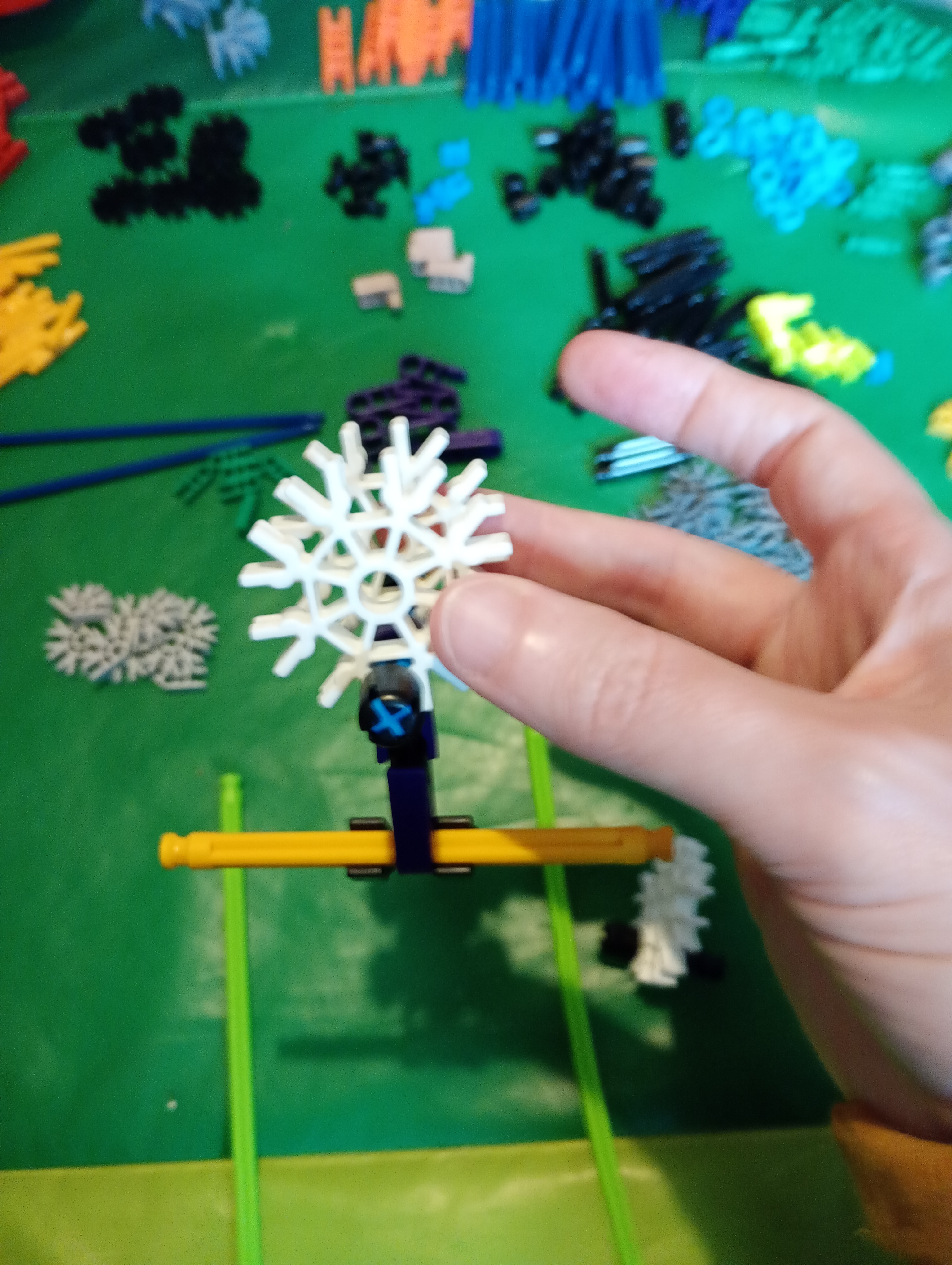
In the meantime, however, I was too impatient to wait for this to arrive so thought I might have a go at putting together an experimental marionette out of KNEX that my son had in a box in his room (and hadn’t touched so far since I bought it). I got the idea from the experimental mechanism I put together for the “Pony 3000” show automaton out of an old wooden Meccano set previously and would have used that again except that it was at my Dad’s house in an unknown location.

I had never actually made anything using KNEX before so I sorted all the parts into piles and tried to work out the different ways they fitted together by glancing at the instruction sheets for various models that was in the box.

It also occurred to me that it would be potentially interesting as a workshop for schools looking at “joints” as I had been booked by a school in Skipton previously when they were exploring joints as a topic. On that occasion we made wooden spoon rod puppets (you can read more about this HERE).

So I did my best to put the joints together in the way that those actual joints on a human being work. Creating the elbow and shoulder joints proved to be a bit beyond the physical limitations of the parts that I had in the set, so it is not jointed exactly as a human would be. I think the finished puppet will have to be something in the robot/fantasy/alien line as it will definitely not be looking like a realistic person.

Once it is strung, I may find that it would be better to reduce some of the movement/joints to make the puppet operate better, as total realism is not always the best idea in puppetry.

I was also aware that the way the KNEX works means that there would be lots of sticky out bits for the strings to snag on so while an amusing experiment, it would probably not be a very practical puppet long term. It would, however allow me to practice making and using an upright marionette control of the type that we used in the Masterclass.

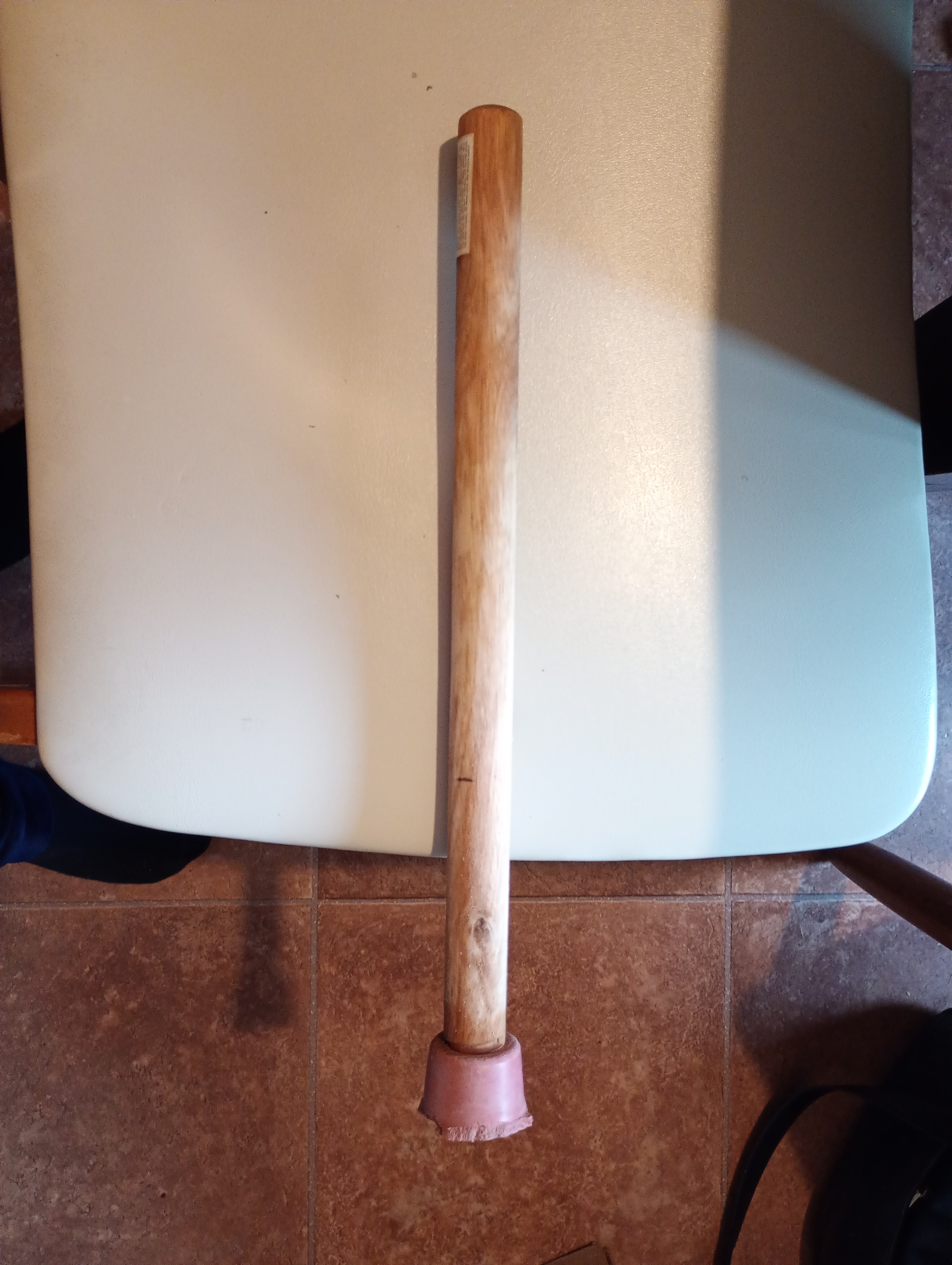
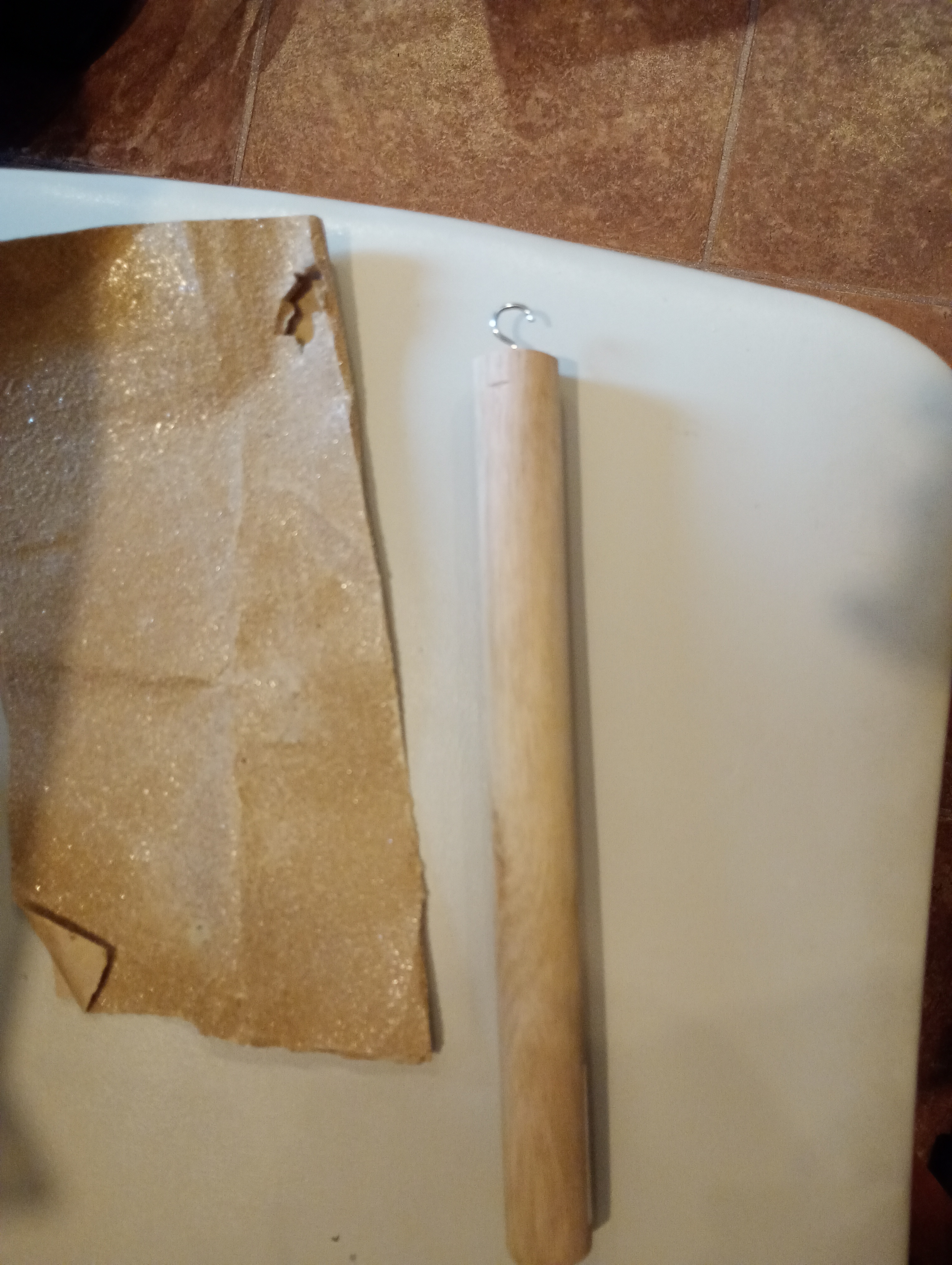
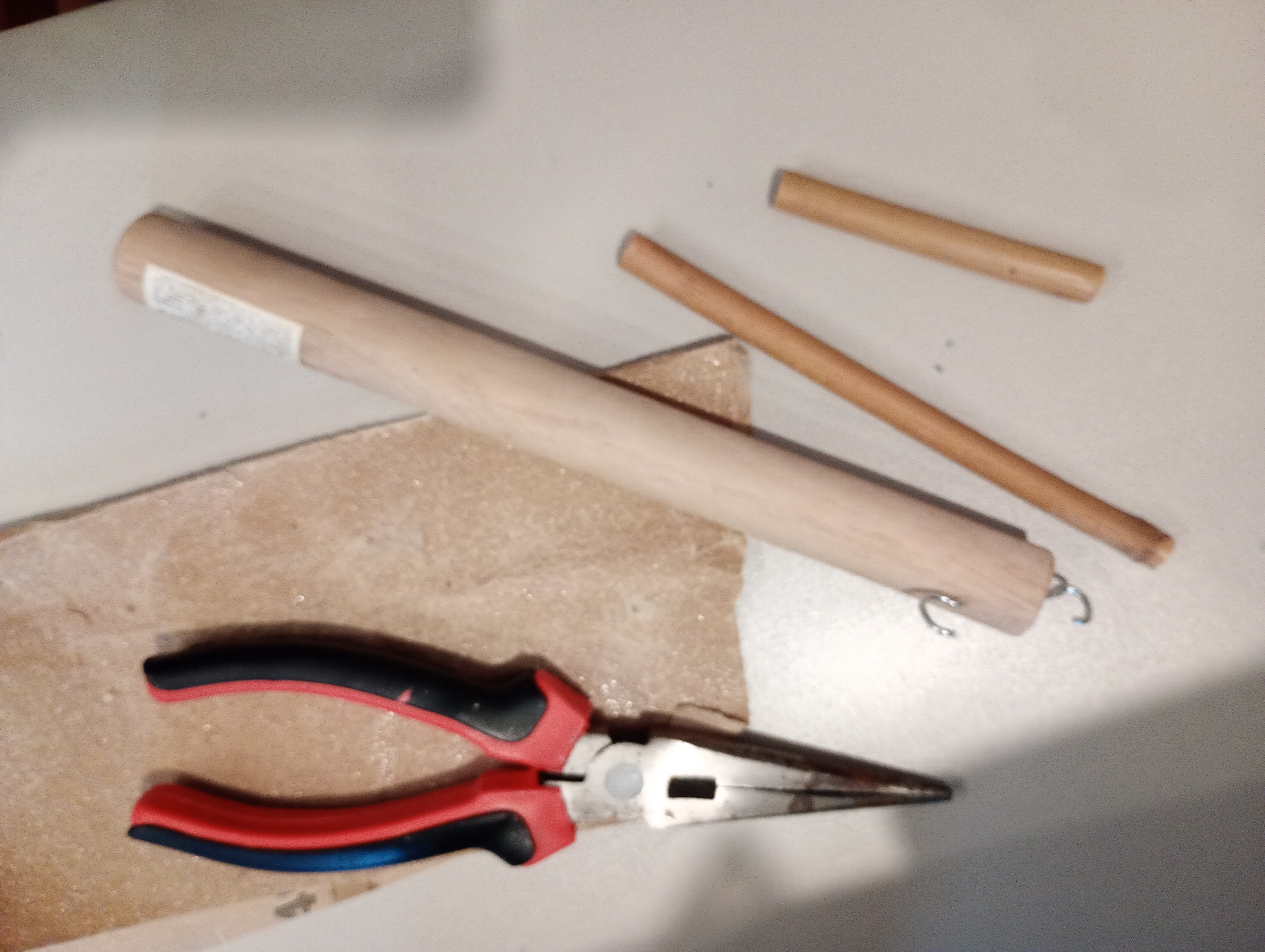
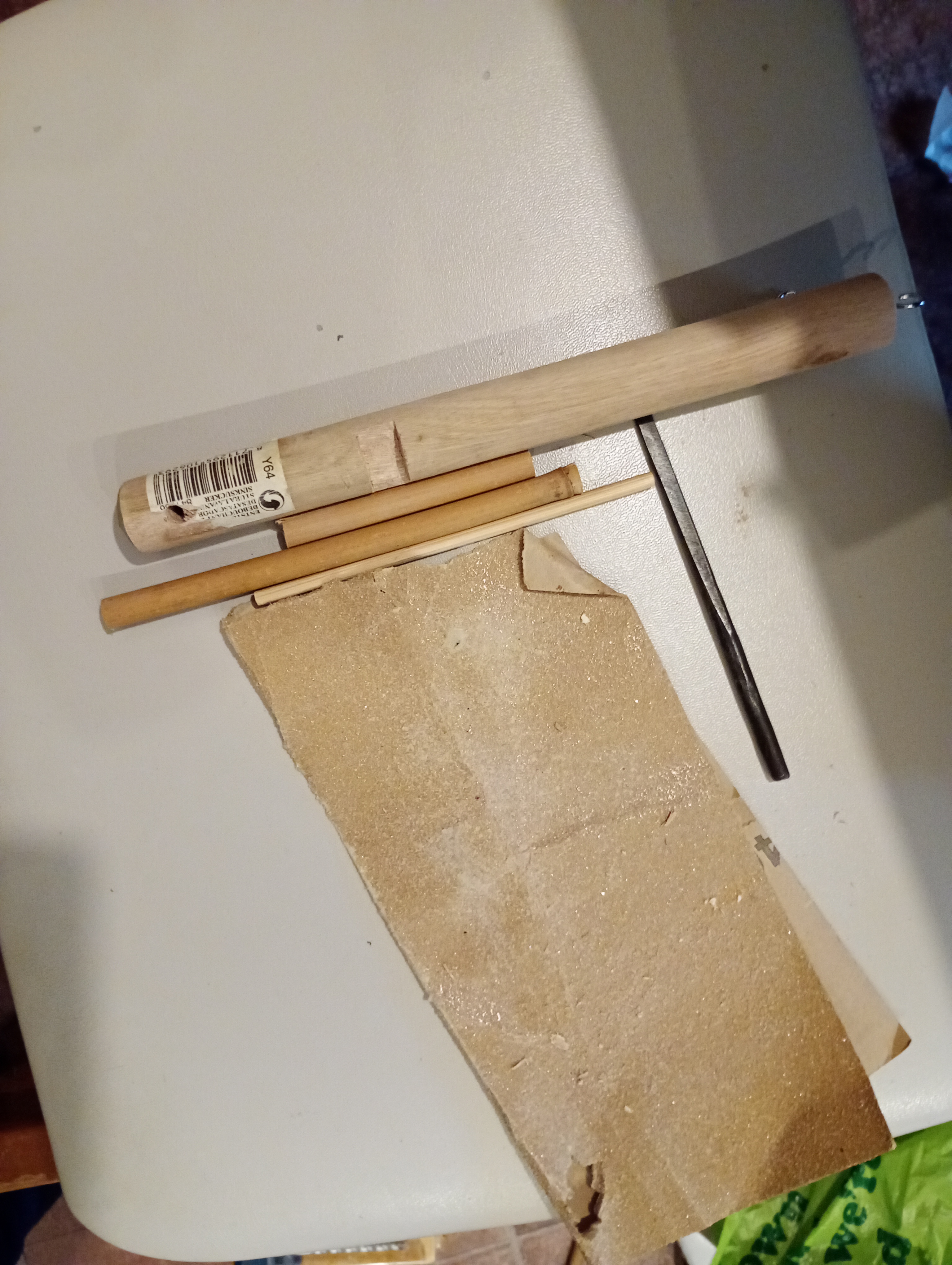
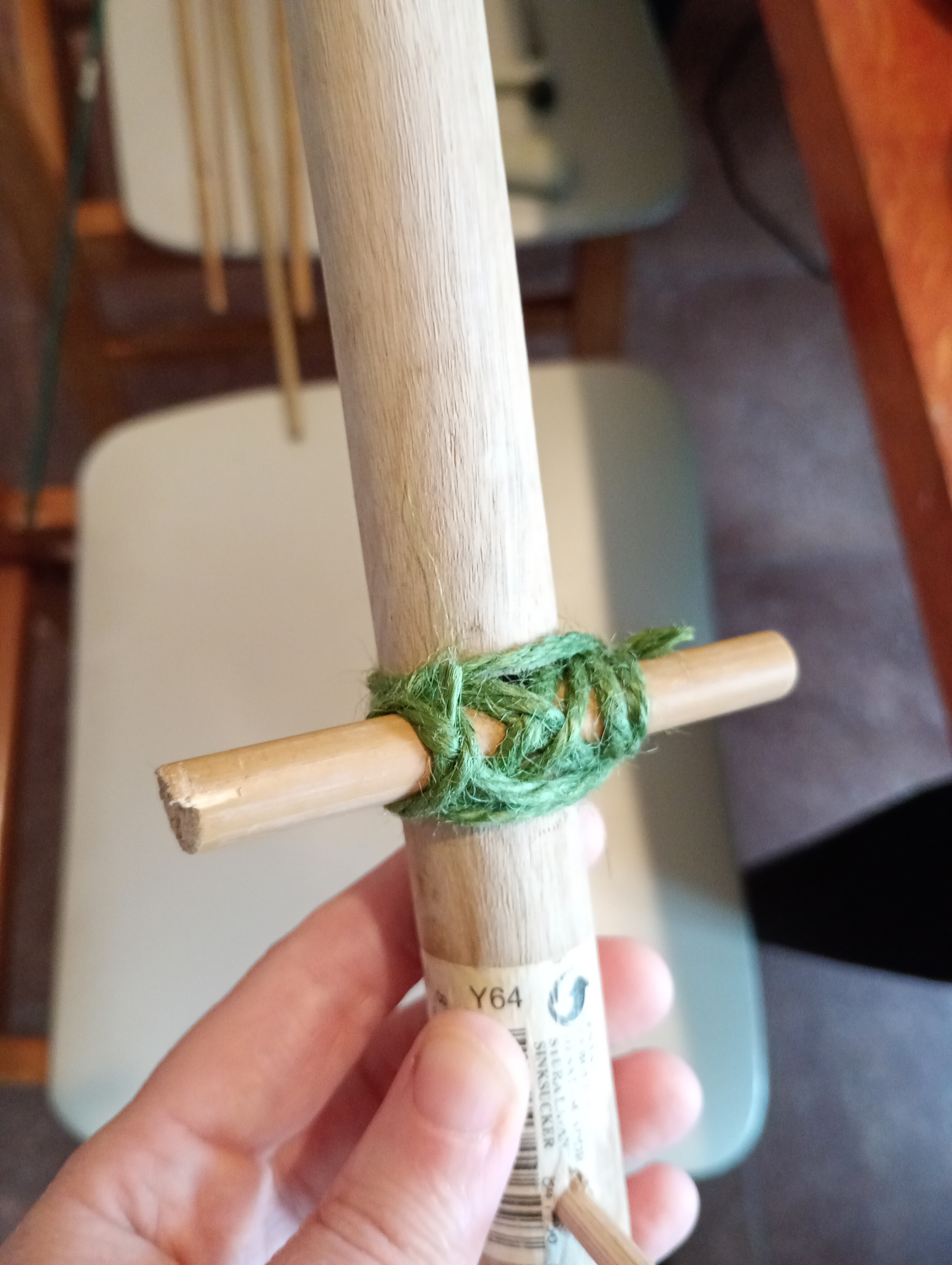
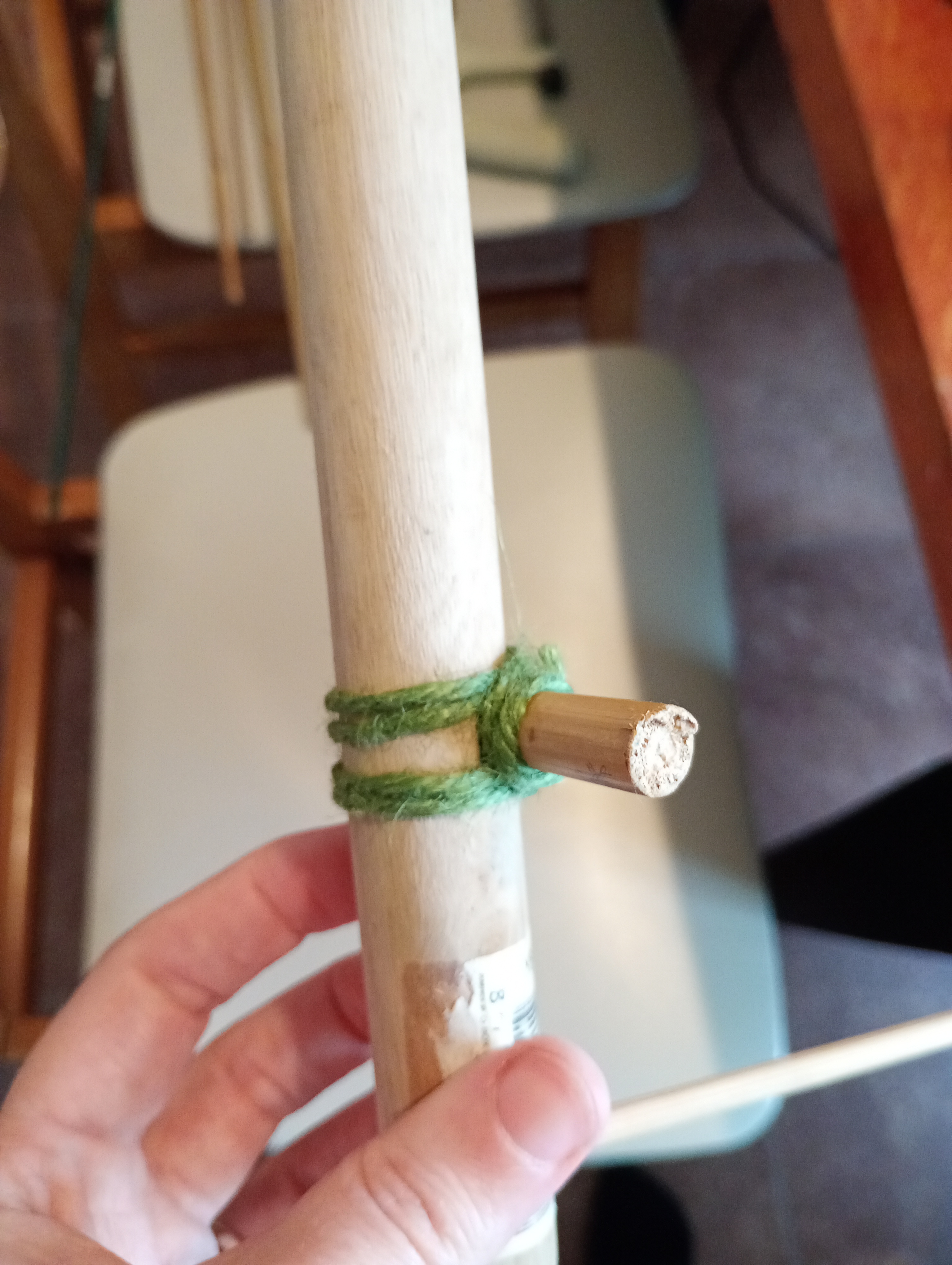
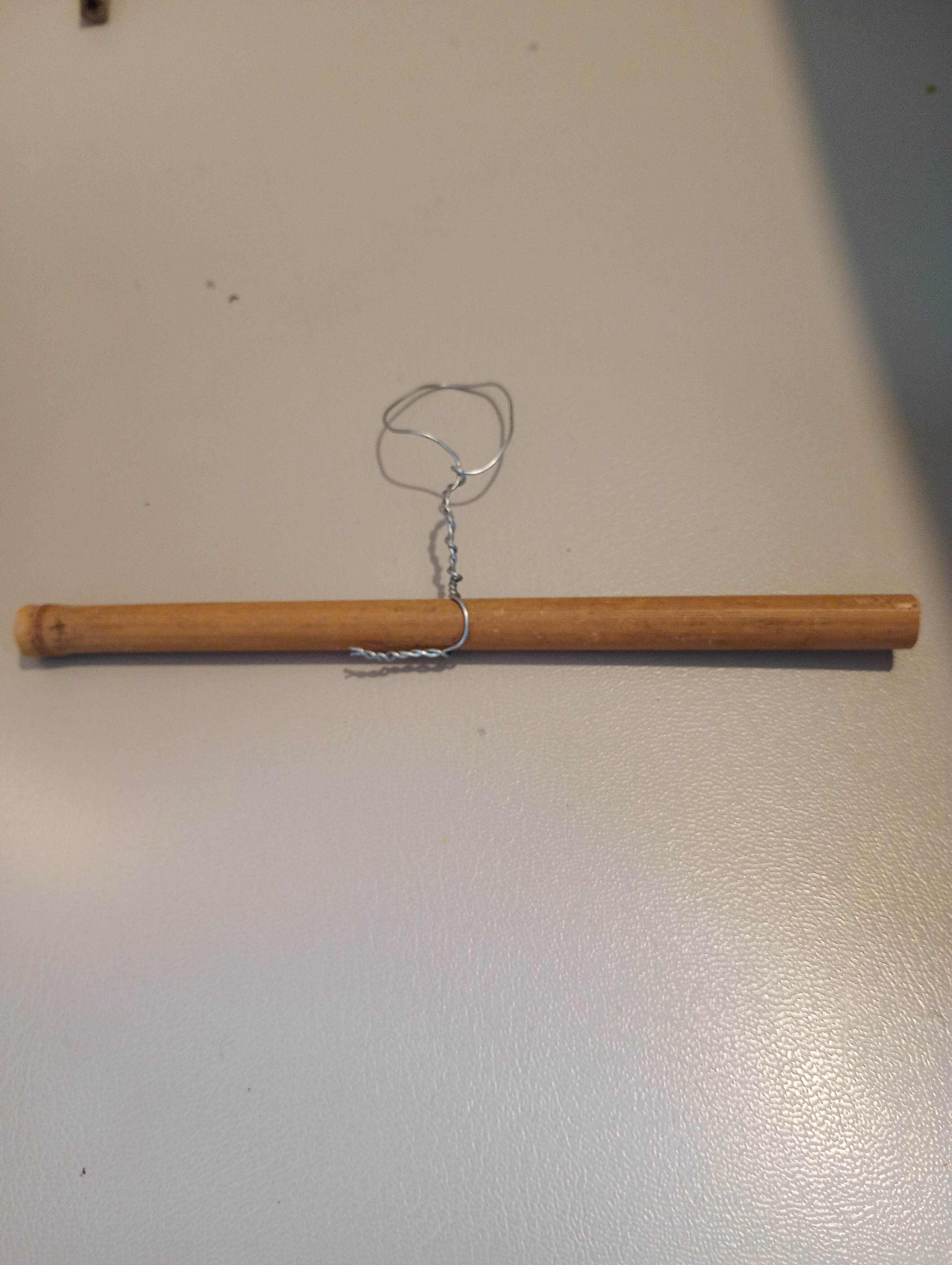
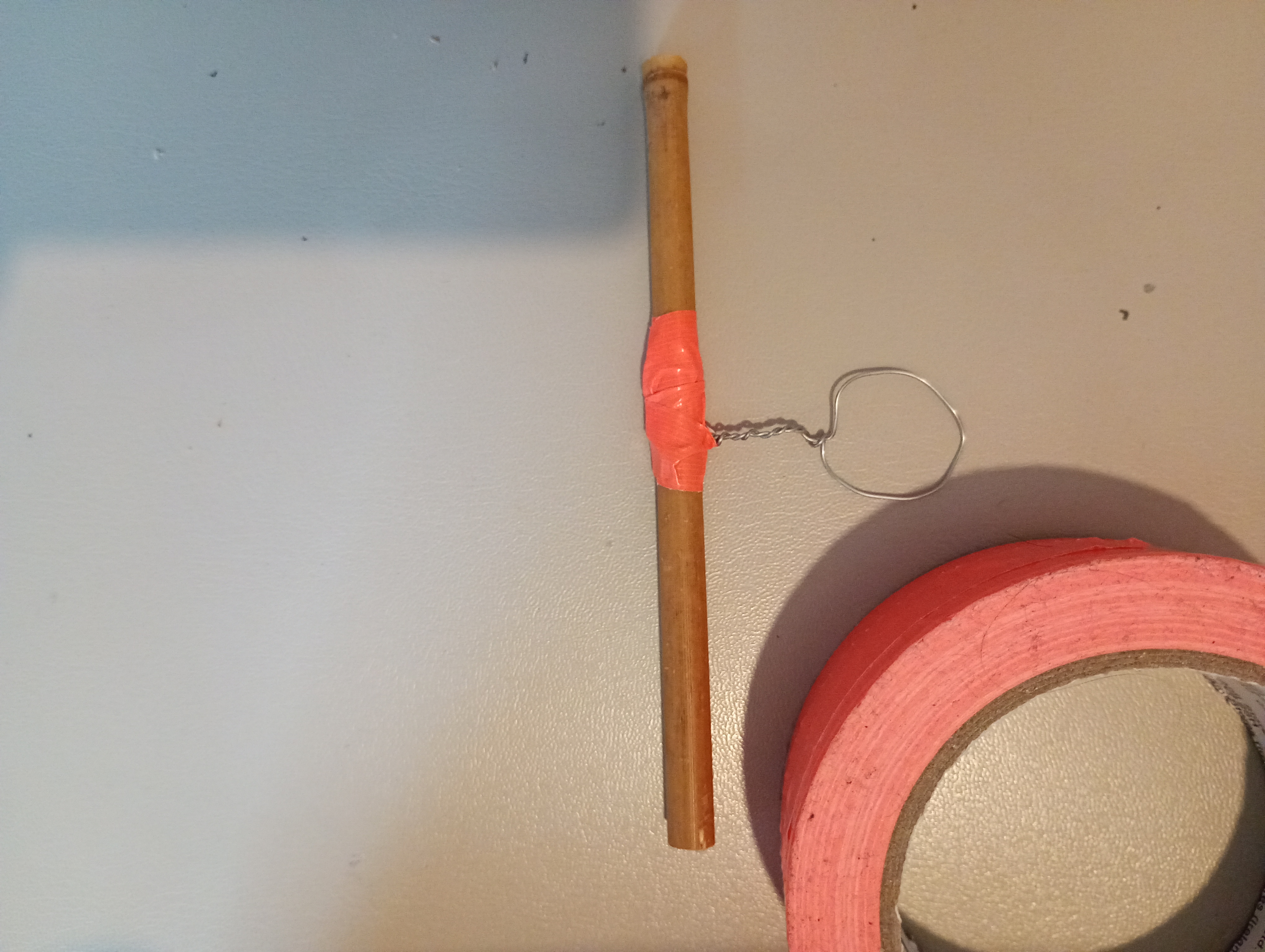
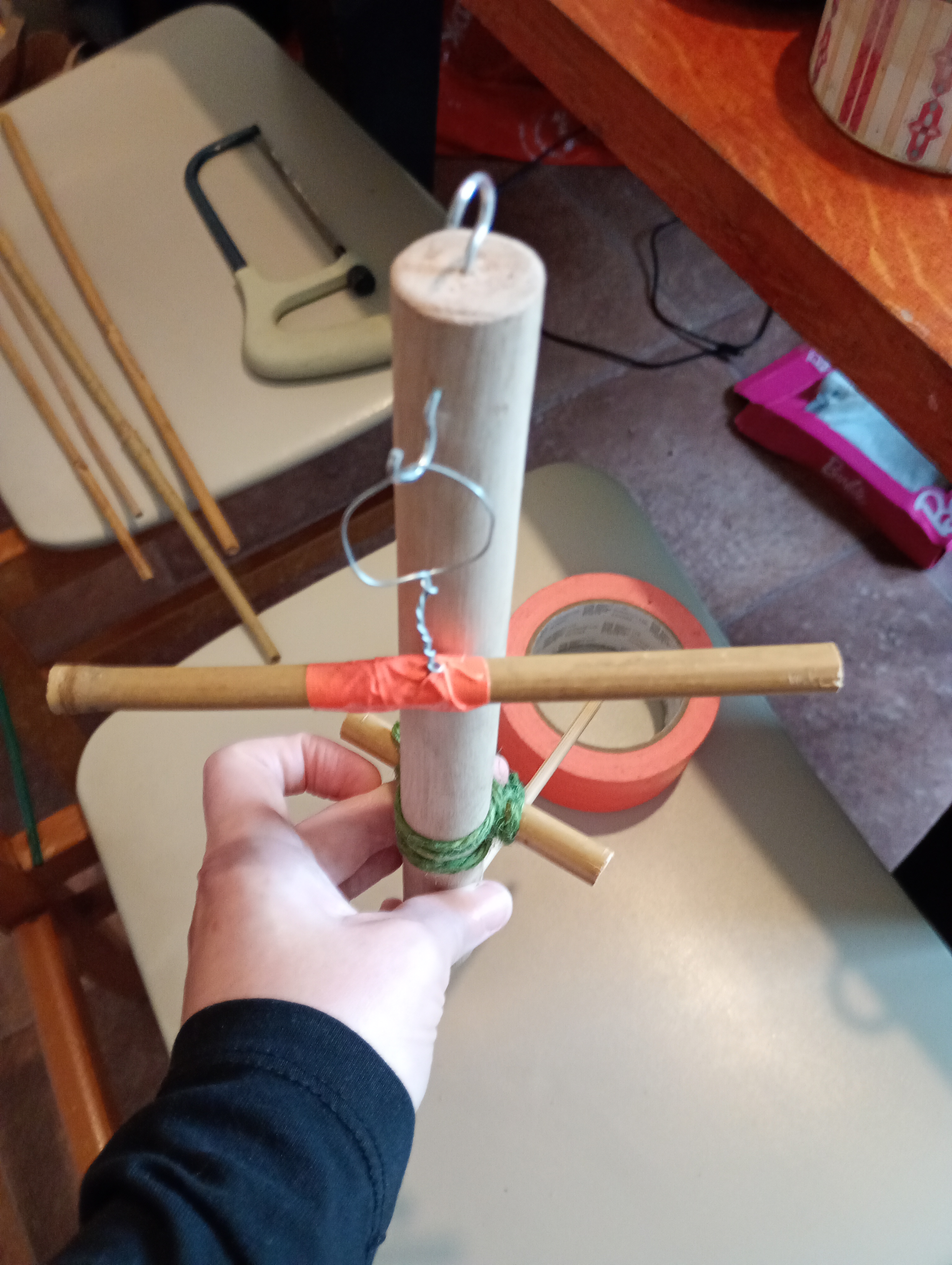
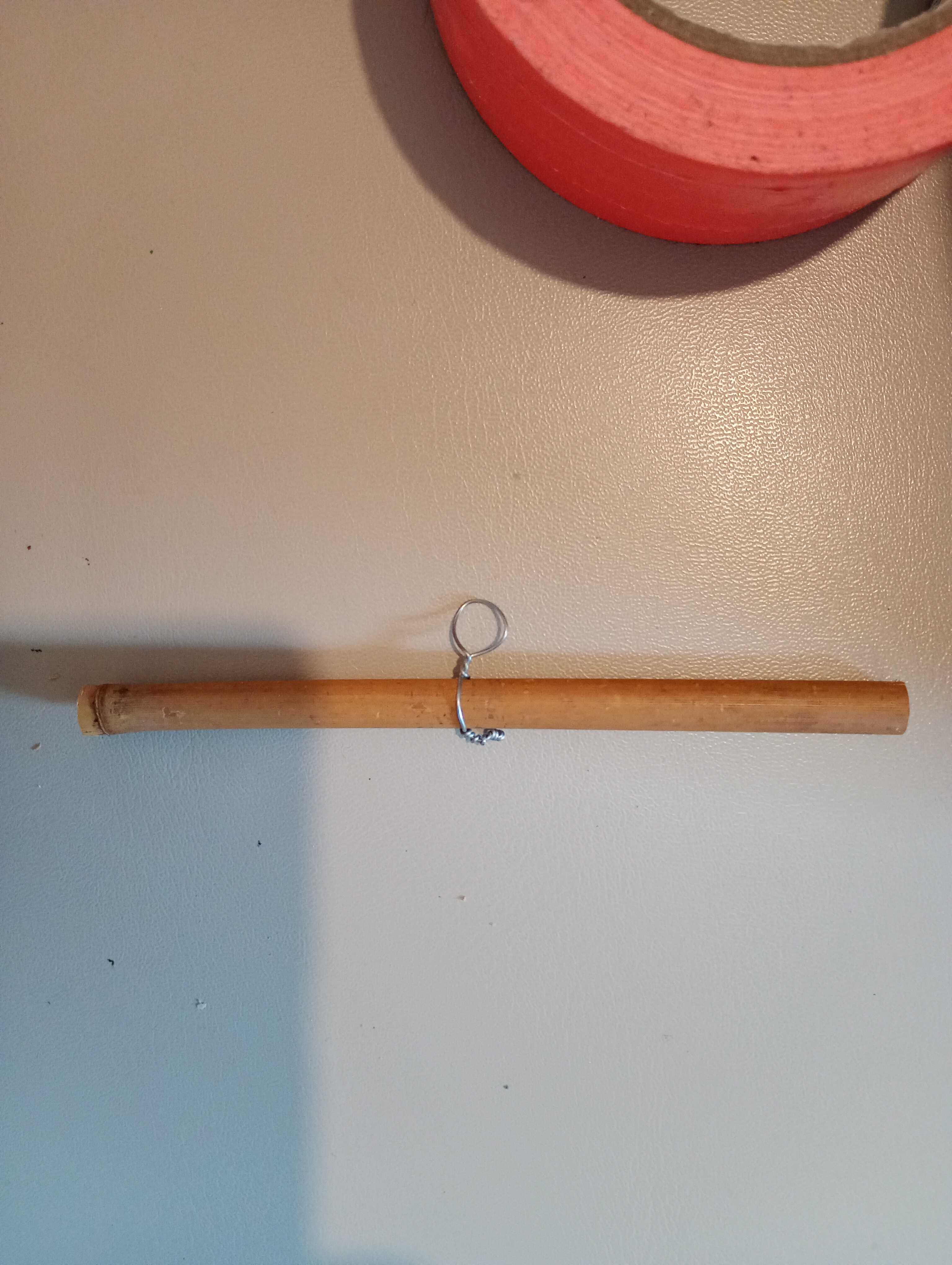
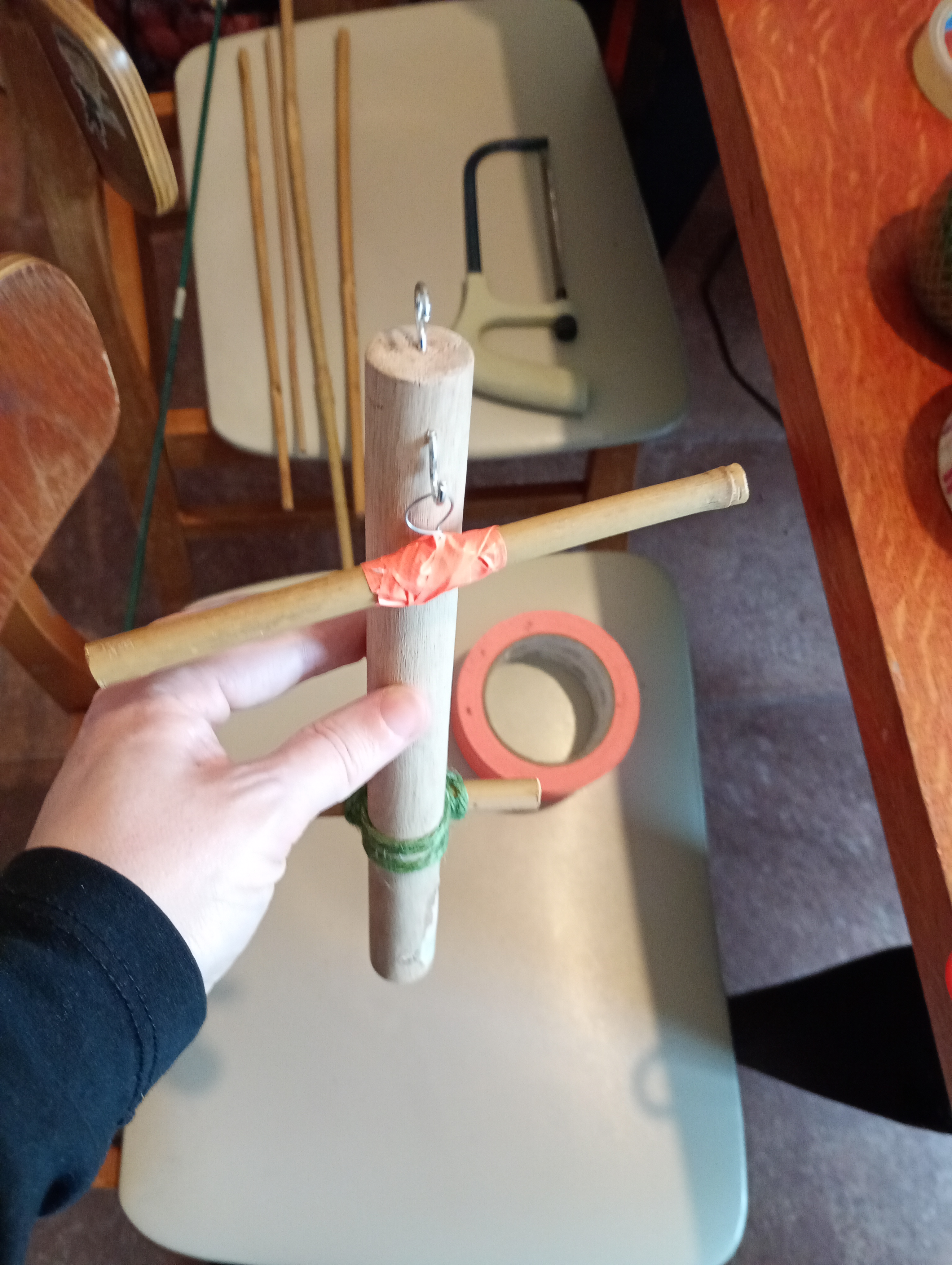
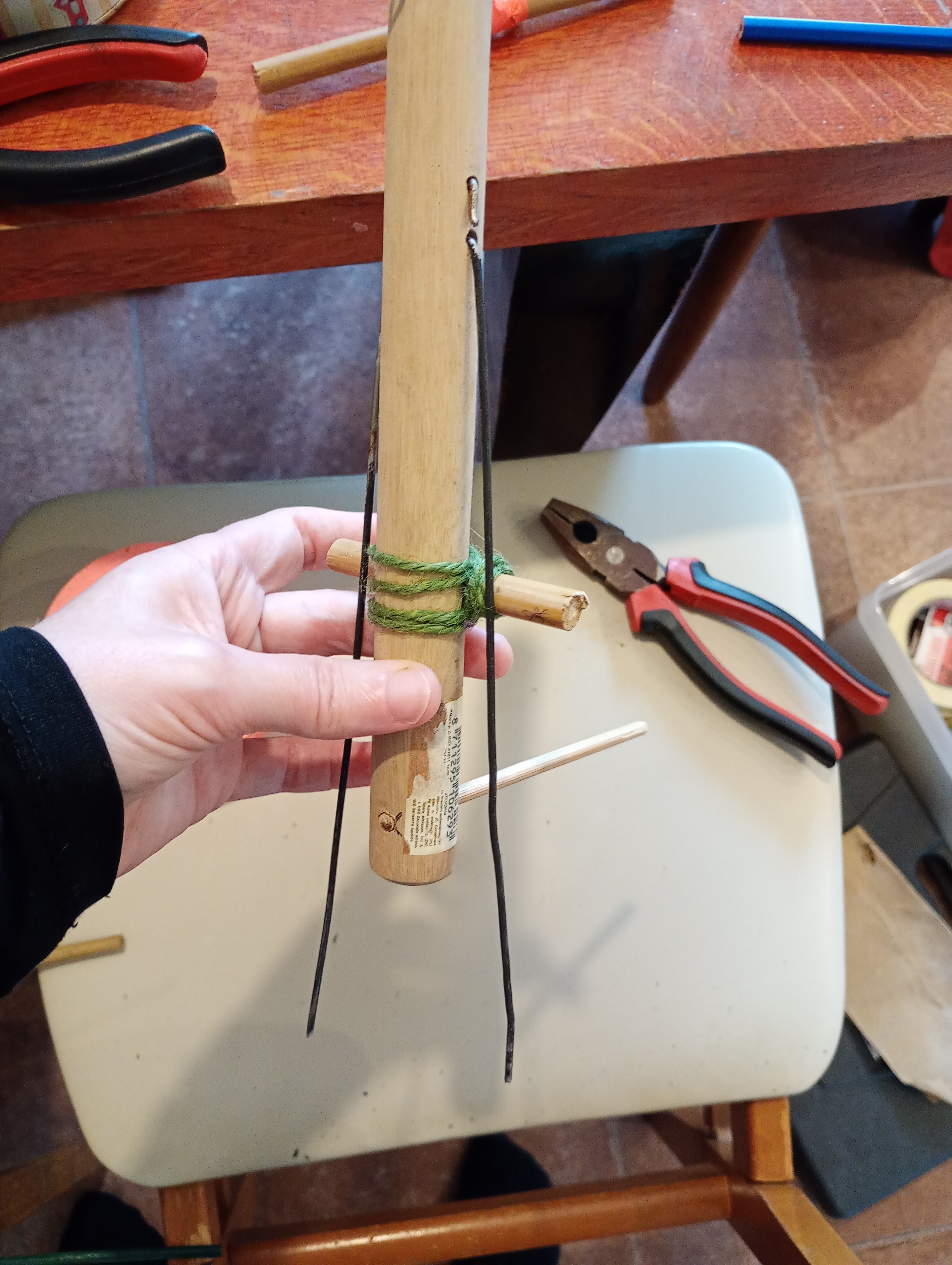
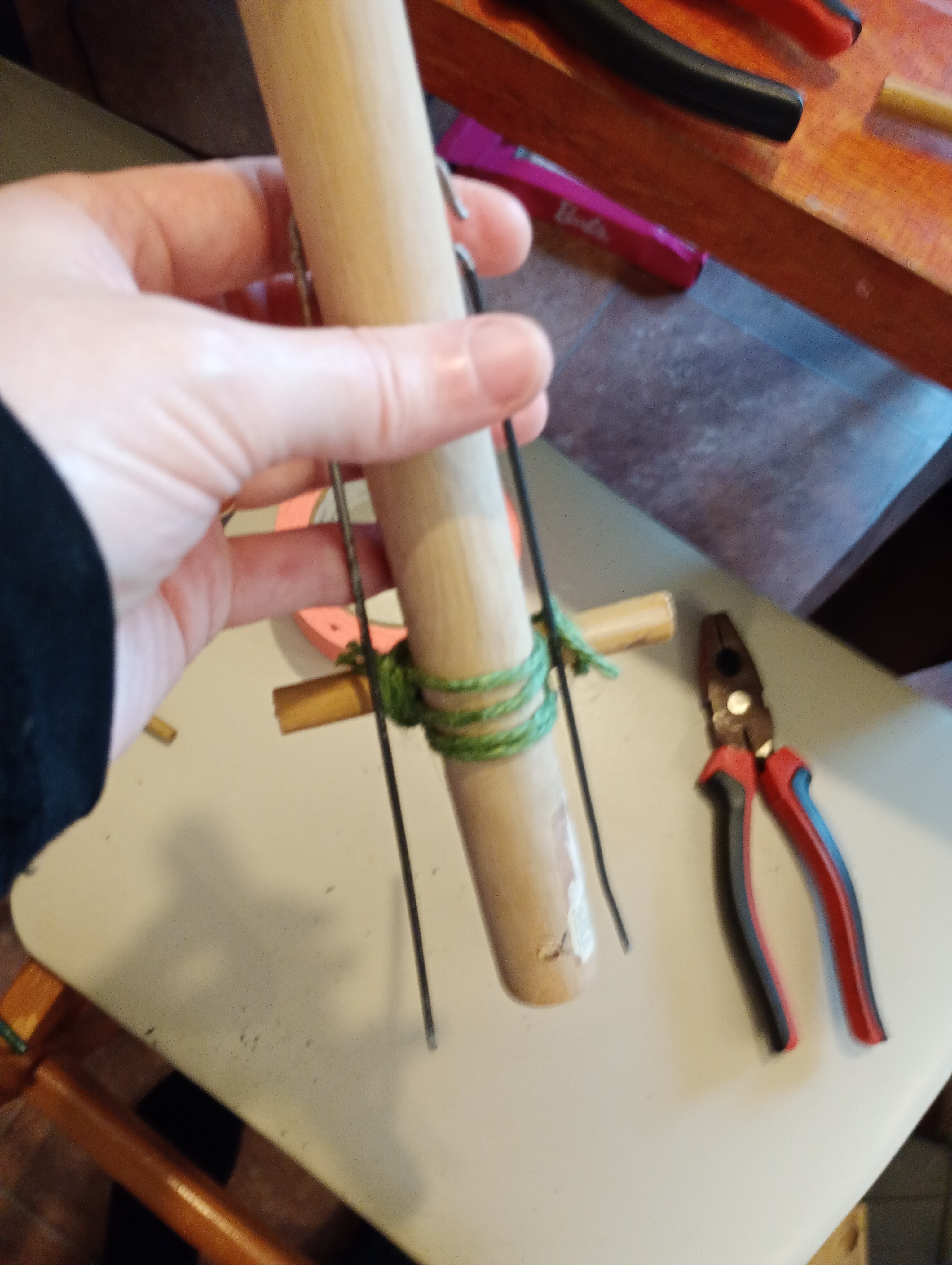
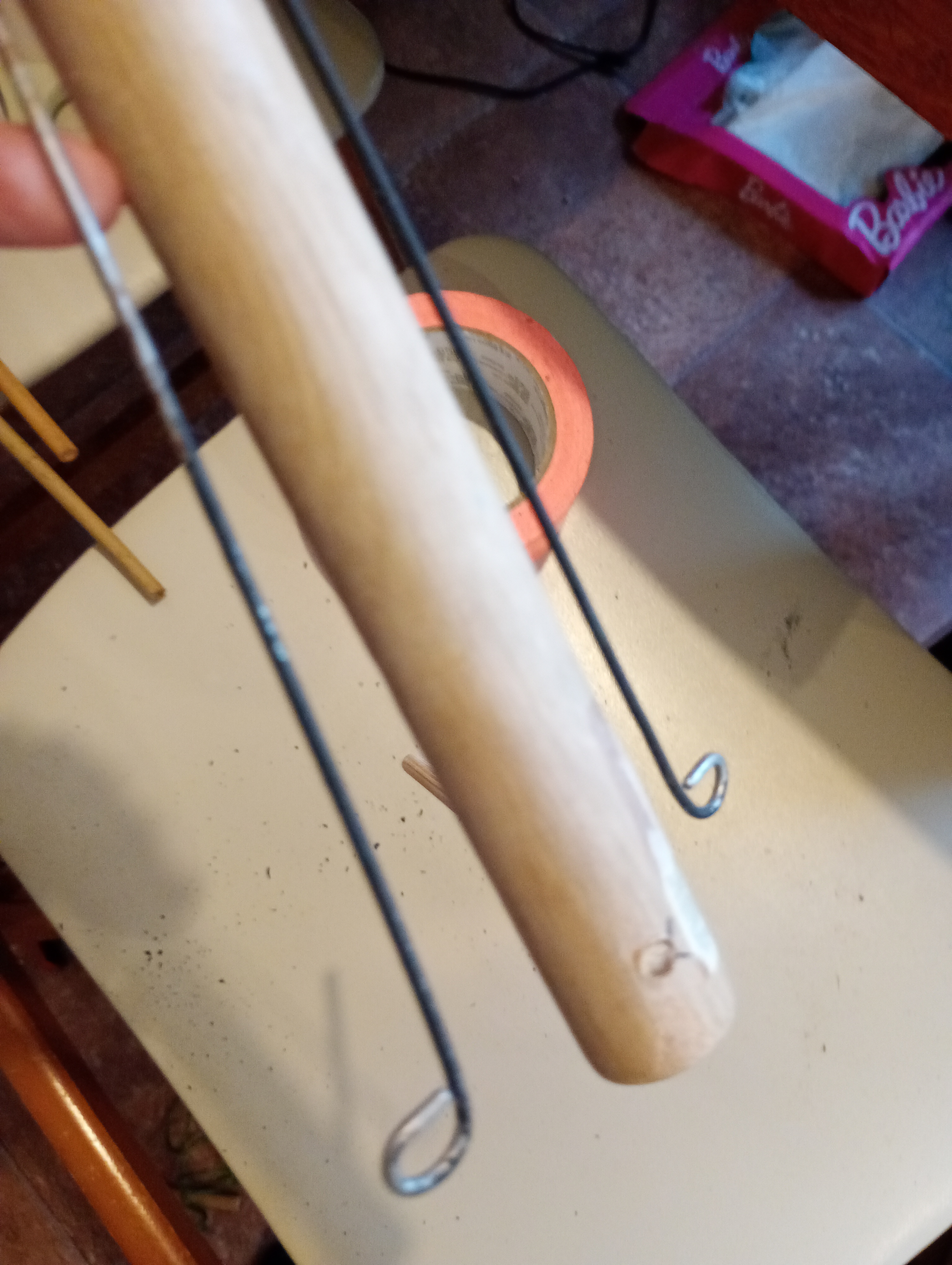
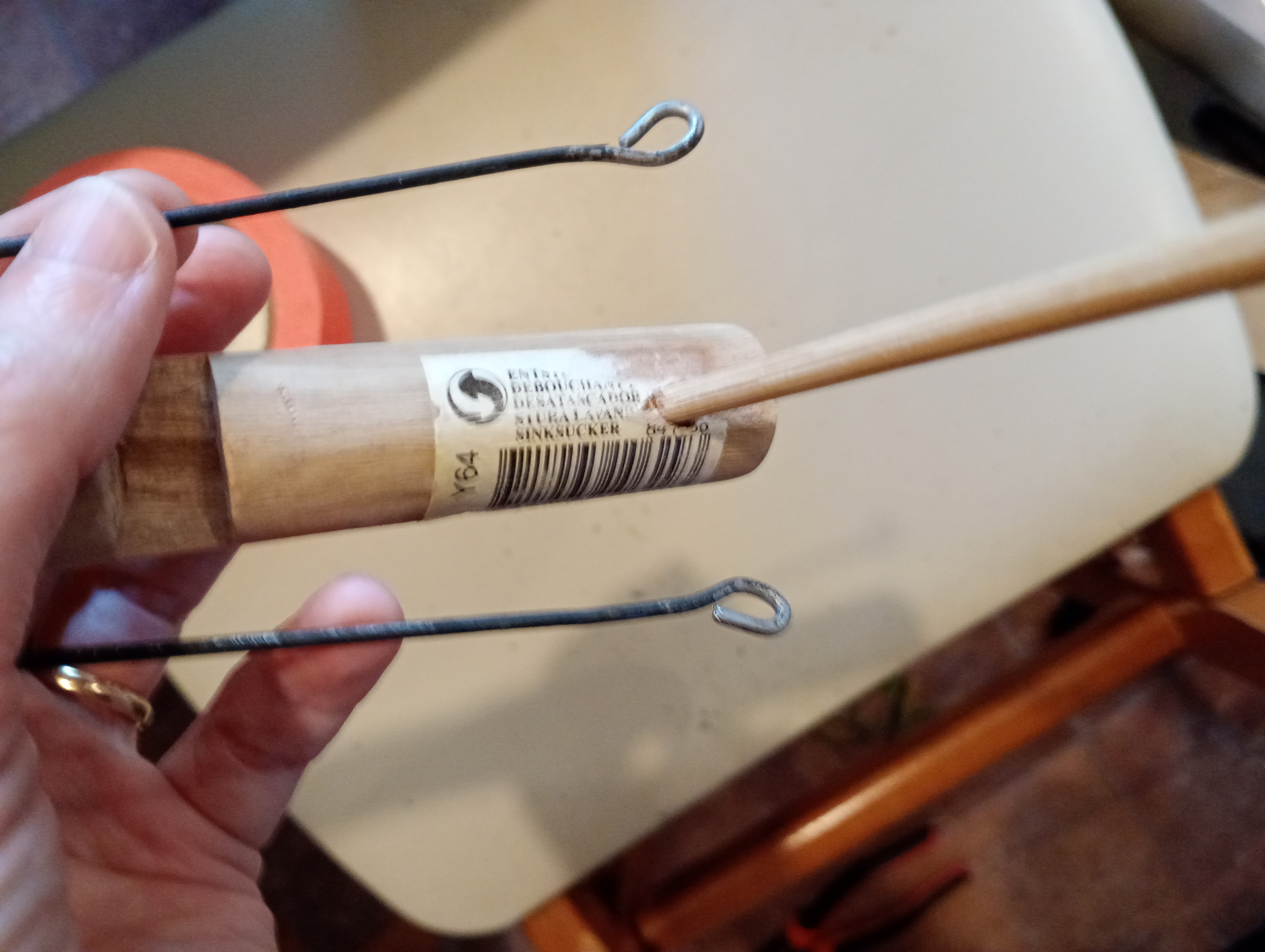
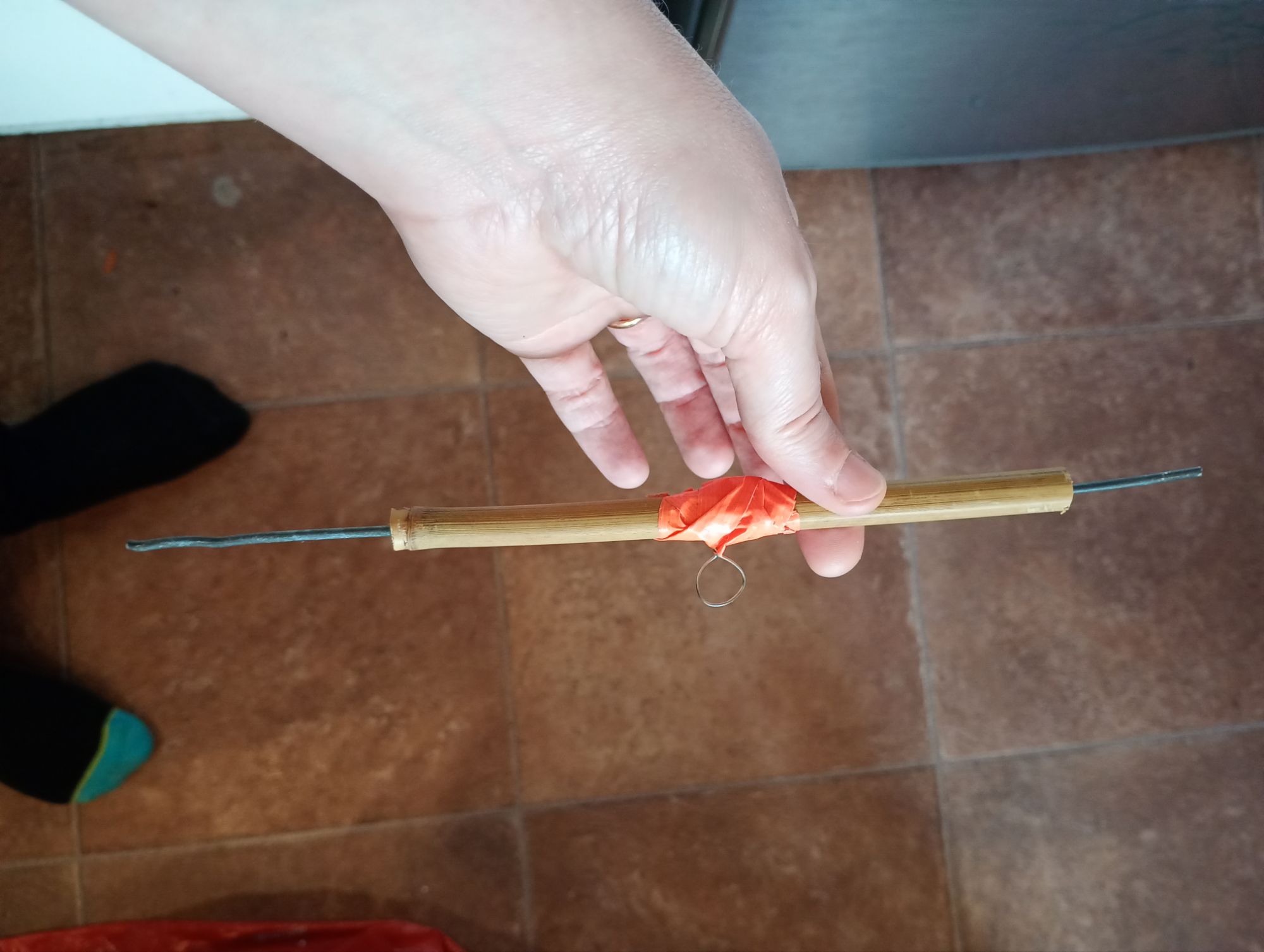
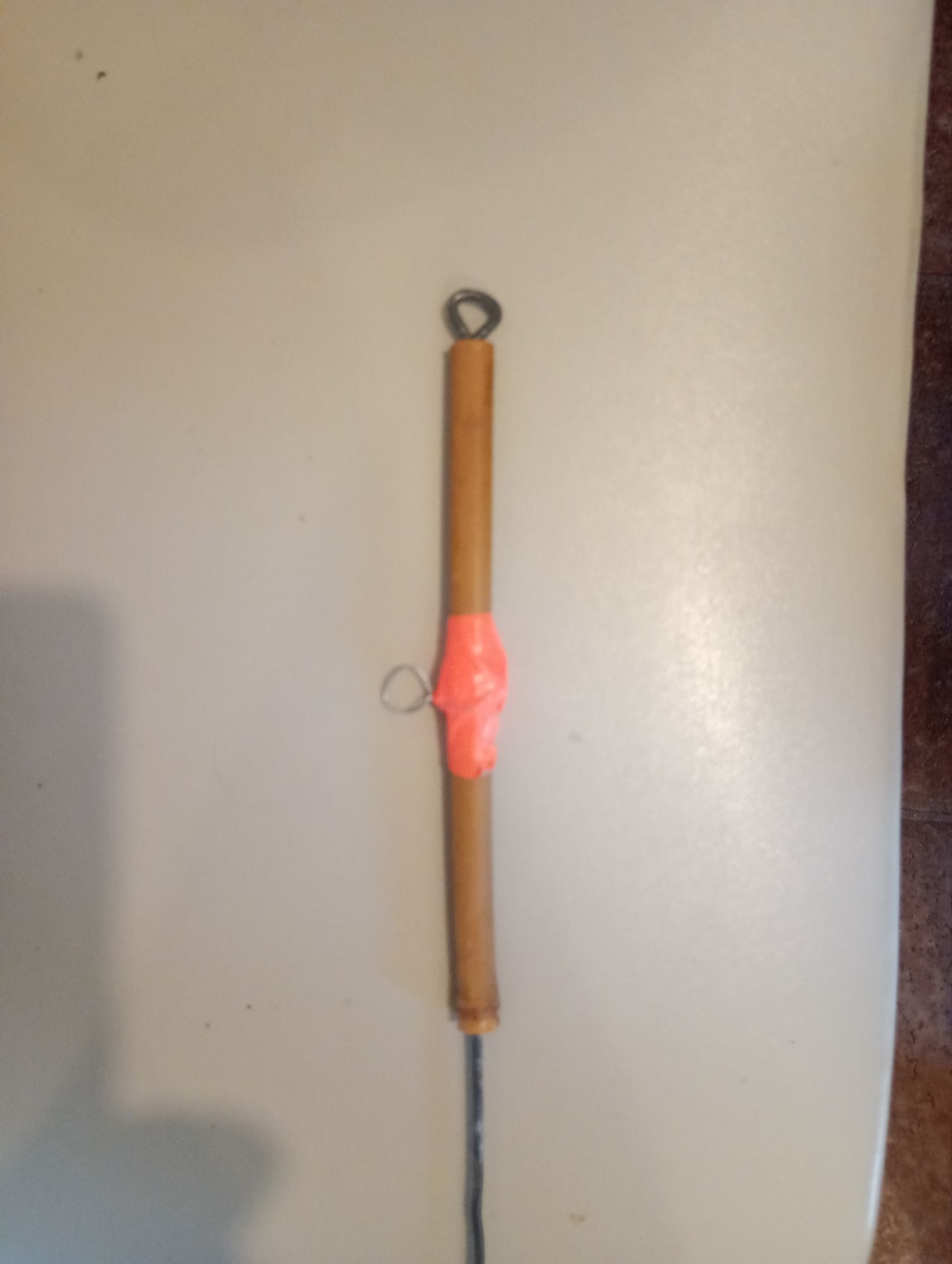
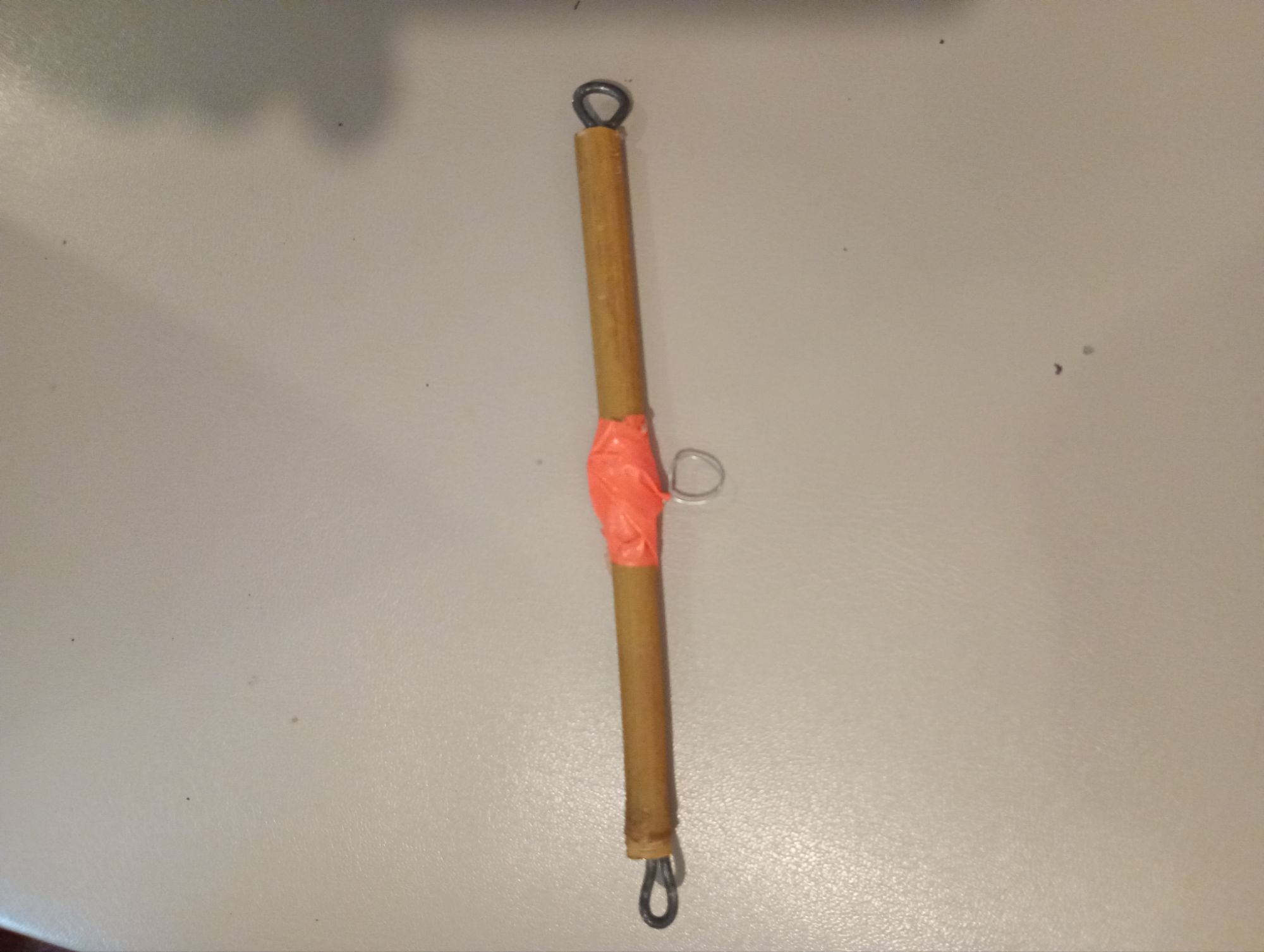
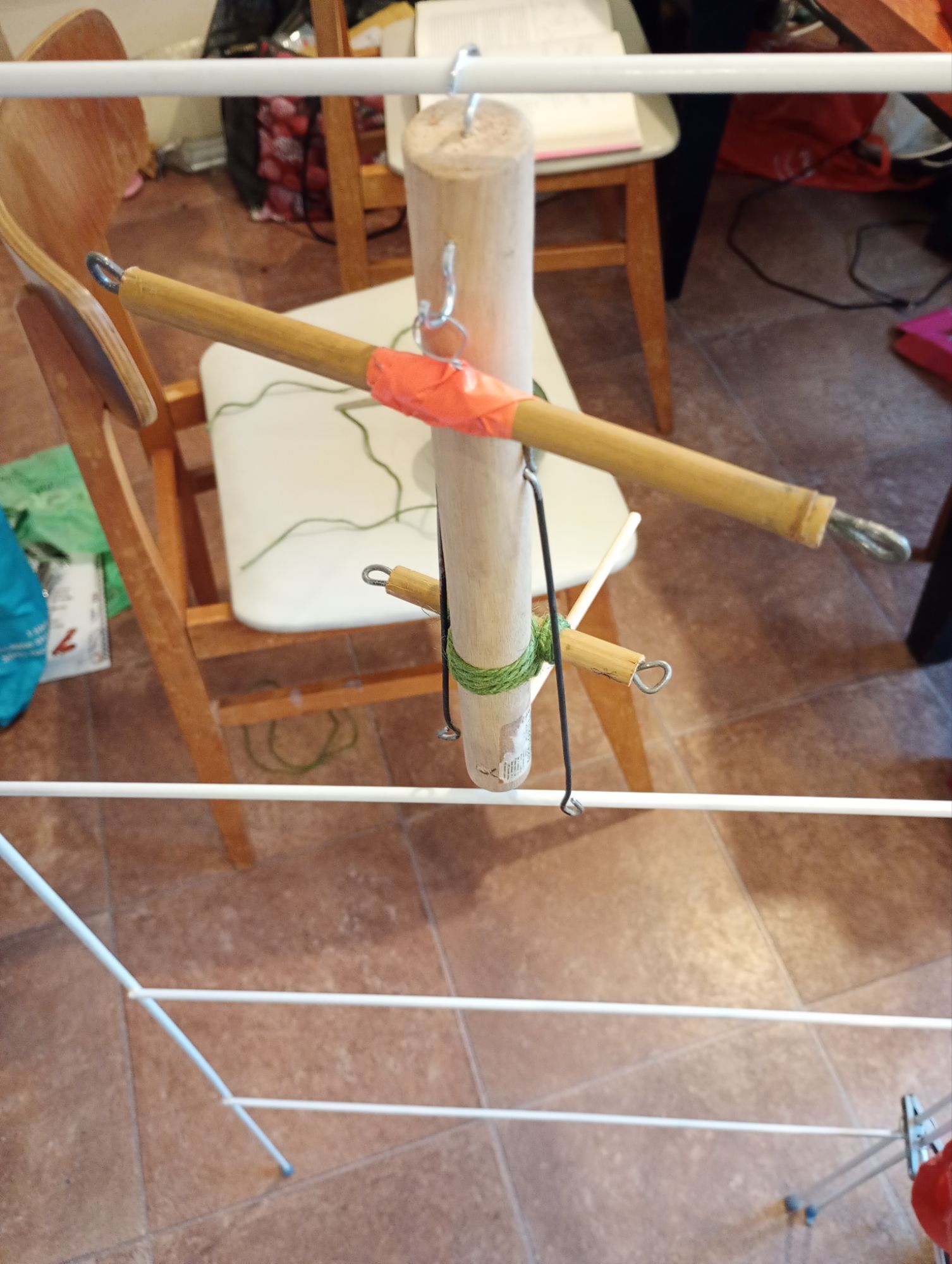
I couldn’t remember exactly how the controls of the puppets at the masterclass were constructed. So, I adapted instructions, from a David Currell book I have, to what materials I had lying around the house.

As I haven’t got a proper gallows to hang the controller and puppet on to string it, I had to manage as best I could with a clothes airer and a piece of string. Not ideal, as the weight of the puppet pulled the string down but I managed fairly well anyway.

I secured the head crossbar with string both because that meant I could remove it for repositioning or to replace with a different size and also because the slot I cut was a little too big.

I will get a video of him moving at some point.  I tried weighting the feet with blu tack to get them to move correctly, but I haven’t got the positioning right yet and they have a tendency to flip backwards.

Since then the Pinocchio puppet has arrived. I will post more about him once I start doing him up a bit.