“Jabberwocky!”, Alice in Wonderland and the National Year of Reading

Did you know that 2026 is National Year of Reading in the UK?

Next weekend I have been invited to perform “Jabberwocky!” for Alice’s Day (July 4th) by The Story Museum in Oxford. You can see more details on my WHERE YOU CAN SEE ME page.

For those who don’t know, (I only heard about it this year) Alice’s Day is celebrated every year as the day when Charles Dodgeson (AKA Lewis Carroll) first told the story of Alice’s Adventures to Alice Liddell and her sisters while rowing down the river on a “… Golden Afternoon”. This is the poem he wrote which you find in the beginning of many copies of the book where he describes the occasion of first inventing the story to entertain the girls:


All In the Golden Afternoon

ALL in the golden afternoon
Full leisurely we glide;
For both our oars, with little skill,
By little arms are plied,
While little hands make vain pretence
Our wanderings to guide.

Ah, cruel Three! In such an hour,
Beneath such dreamy weather,
To beg a tale of breath too weak
To stir the tiniest feather!
Yet what can one poor voice avail
Against three tongues together?

Imperious Prima flashes forth
Her edict ‘to begin it’ –
In gentler tone Secunda hopes
‘There will be nonsense in it!’ –
While Tertia interrupts the tale
Not more than once a minute.

Anon, to sudden silence won,
In fancy they pursue
The dream-child moving through a land
Of wonders wild and new,
In friendly chat with bird or beast –
And half believe it true.

And ever, as the story drained
The wells of fancy dry,
And faintly strove that weary one
To put the subject by,
“The rest next time -” “It is next time!”
The happy voices cry.

Thus grew the tale of Wonderland:
Thus slowly, one by one,
Its quaint events were hammered out –
And now the tale is done,
And home we steer, a merry crew,
Beneath the setting sun.

Alice! a childish story take,
And with a gentle hand
Lay it where Childhood’s dreams are twined
In Memory’s mystic band,
Like pilgrim’s wither’d wreath of flowers
Pluck’d in a far-off land.


So, I’m looking forward to visiting Oxford, the place of origin of Alice in Wonderland and “Jabberwocky” (originally a poem that is part of the sequel book that Carroll wrote: Through The Looking Glass and What Alice Found There). I am not sure how many times in my life I have visited Oxford, but not very many, so it is very exciting. I have admired the area from afar many times as part of the settings for the “Morse” TV series, (a long time favourite show of my Mum’s).

We have also now refurbished and rehearsed our long time favourite 1 hour long indoor show of Alice in Wonderland so this show is now ready to go to anywhere that would like to book it. We have performed this show in schools, libraries and studio size spaces in theatres previously. You can CLICK HERE to visit the show page to find out more about the show and see if it would be suitable for your space or event.

Our two performances of “Alice in Wonderland” at Tullie House Museum in Carlisle will now be taking place just before Christmas (22nd December). I will post a link to tickets as soon as they are live, so keep your eyes peeled for that. If you have never been to the museum before it is definitely worth a visit (there are lots of interactive elements which kept my kids entertained for hours and they particularly loved the Ancient Romans section).

We first put the Alice in Wonderland show together in 2008, though I had ideas and made some of the separate elements for the show even earlier than that while I was still at University at Bretton Hall. I was never entirely happy with the execution of the roof of the White Rabbit’s house and I’m pleased to say that it is now improved both practically and aesthetically and creates a very pleasing overall effect (which you will see if you come and see the show).
Why We Need Creativity and The Arts in Education

When I studied for my degree in Arts Education at Bretton Hall in Wakefield, we spent a lot of time exploring why the arts matter in schools — not as a “nice extra”, but as a powerful tool to help children learn, understand, and make sense of the world.

Over the years, there has been an increasing focus on measurable outcomes and core subjects. While literacy, numeracy, science and technology are clearly vital, however, education is about more than just passing tests. Children aren’t empty vessels to be filled with information and they aren’t robots being trained for productivity. They are curious, emotional, imaginative human beings who learn best when they are engaged, motivated and able to see the point of what they are doing.

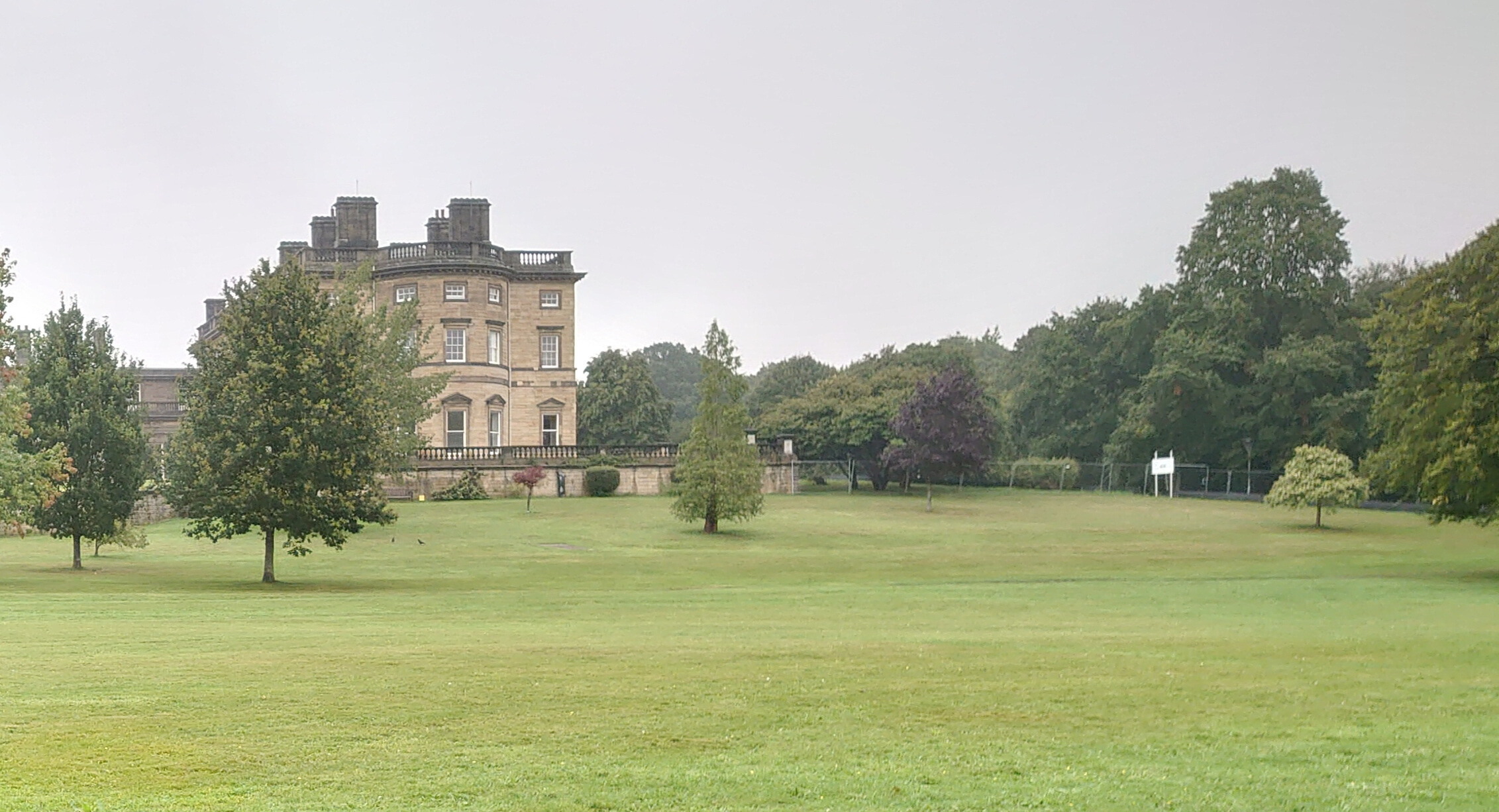
The Mansion Building at Bretton Hall

During the pandemic, science and technology helped keep us safe and connected, but it was also stories, music, creativity, and shared culture that helped many people cope with isolation and uncertainty. That was a powerful reminder that the arts aren’t a luxury — they’re part of what makes us human.

Creativity isn’t separate from “serious” learning. In fact, real science, engineering and problem-solving all rely on imagination: asking “what if?”, trying things out, experimenting, and thinking in new ways. When learning becomes only about ticking boxes and memorising answers for tests children can lose that sense of curiosity and purpose. Creative approaches help bring meaning, motivation, and deeper understanding back into the classroom.

One of the most effective ways to do this is through learning-by-doing. Imagine pupils being asked to design a playground: they have to measure space, manage a budget, make decisions, explain their ideas and work together. Suddenly maths, literacy, design and problem-solving aren’t abstract — they’re tools for doing something real. Drama and storytelling can work in exactly the same way, placing learning inside a meaningful, memorable context.

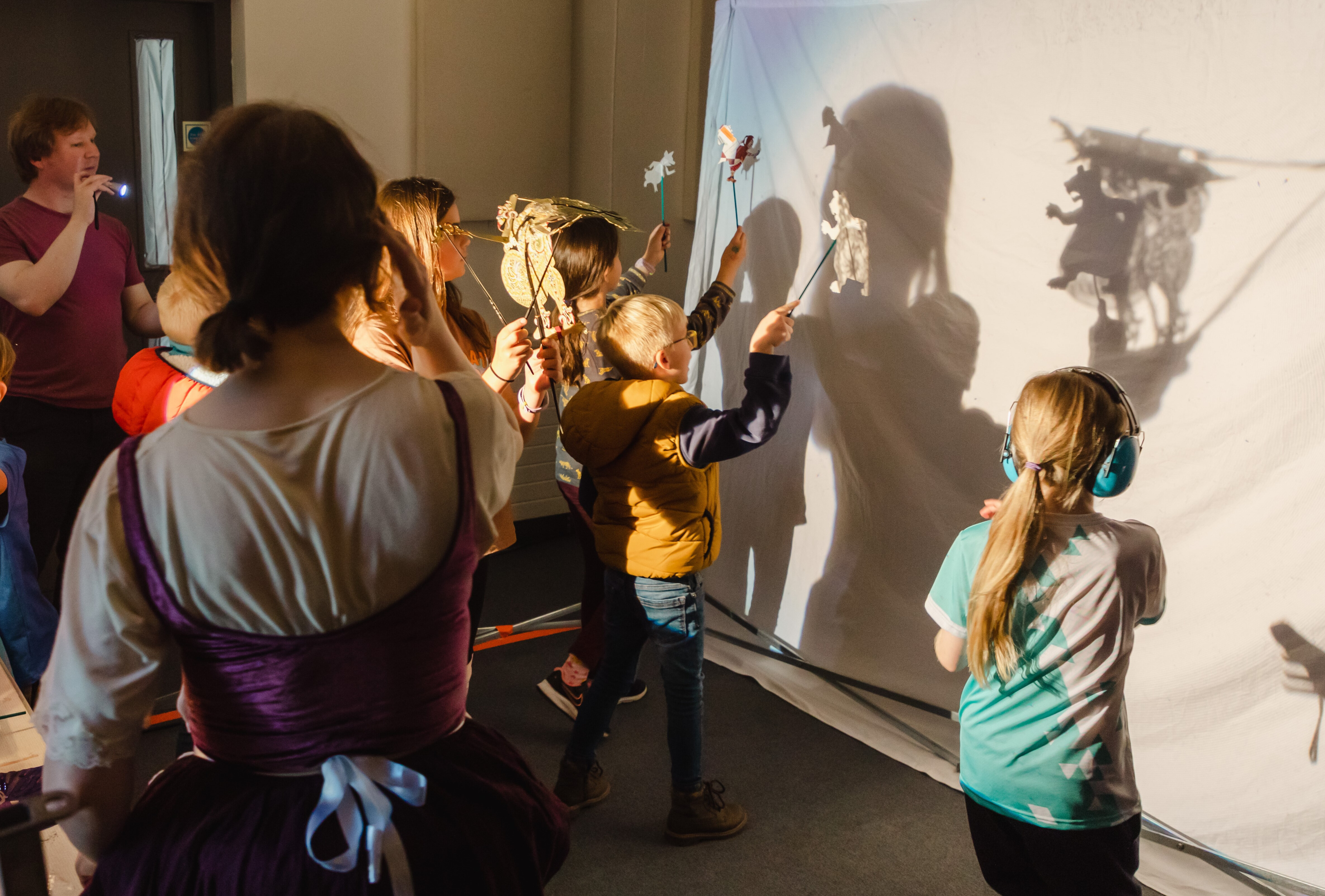
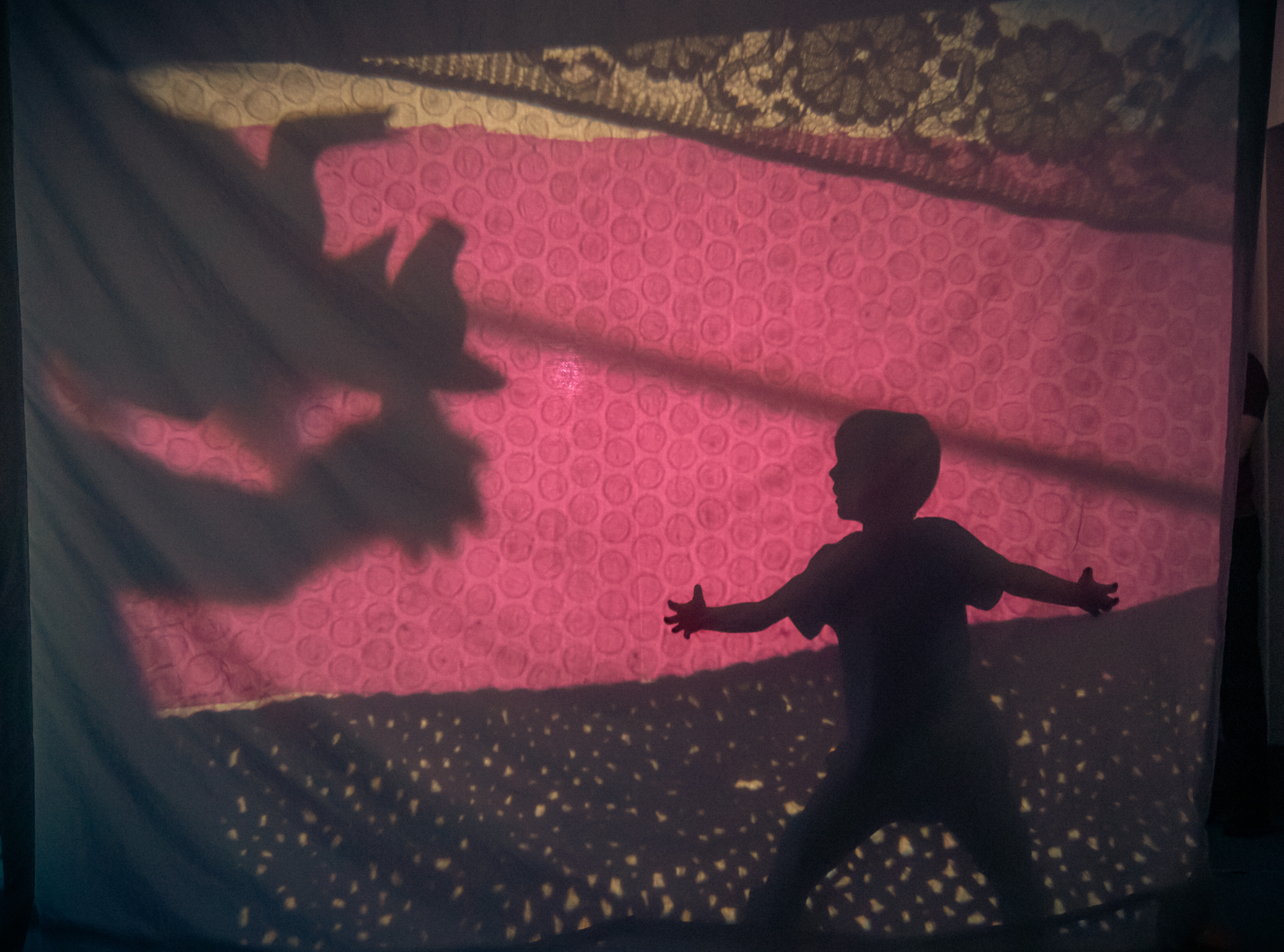
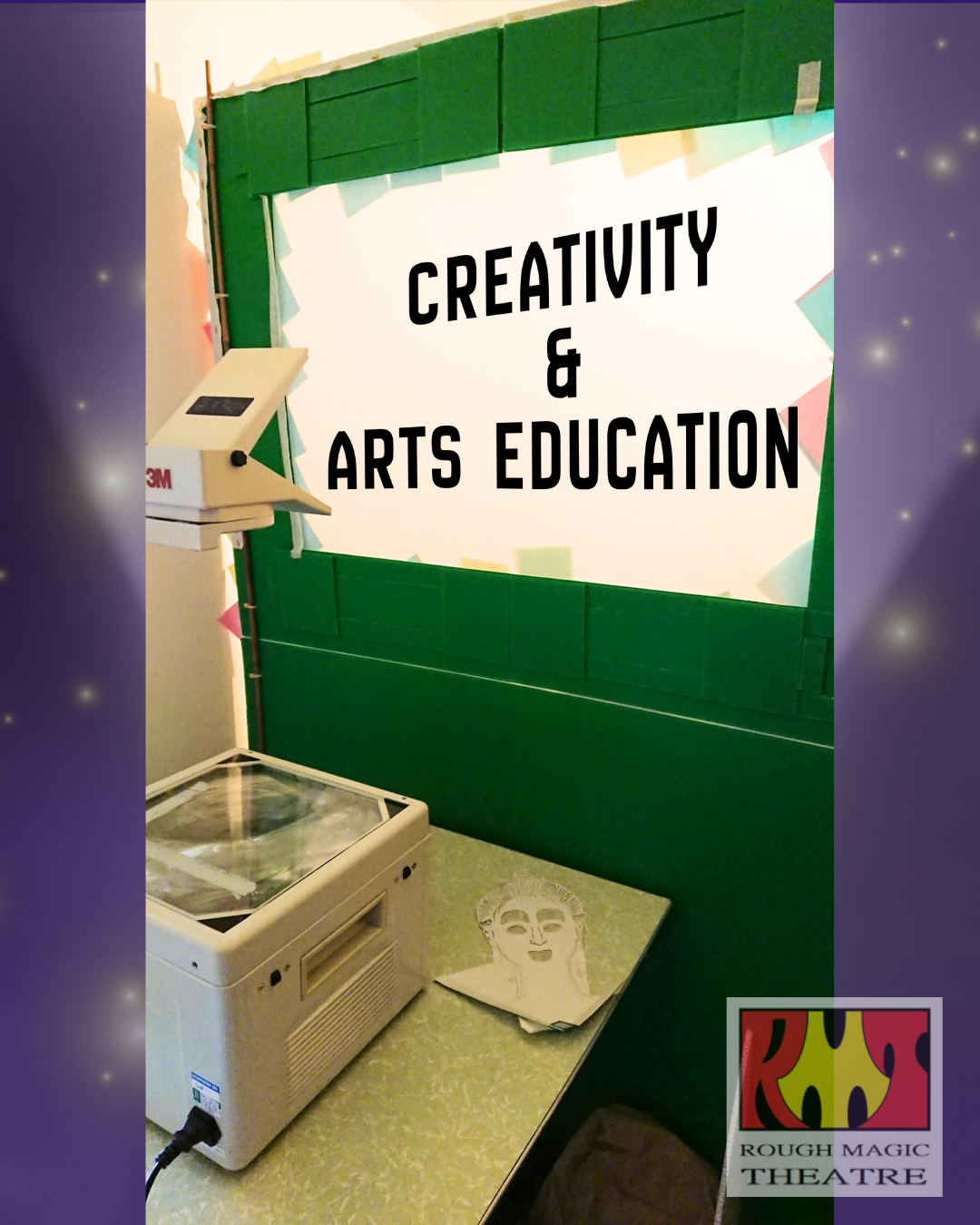
This is one of the reasons I love working with shadow puppetry in schools. It naturally brings together storytelling, art, design, performance, and teamwork — and it does so in a way that feels magical, playful, and accessible to children of all ages.

When you book a shadow puppetry performance and workshop with me, pupils don’t just watch a show — they take part in a rich, cross-curricular learning experience:

  • Literacy & storytelling – creating characters, narratives, and performances, often linked to texts you are already studying
  • Art & design – designing and making puppets, exploring silhouette, shape, and visual storytelling
  • Science – discovering the properties of light and shadow, and how images change with distance, scale, and angle
  • Teamwork & communication – working in groups as narrators, performers, and designers
  • Fine motor skills – cutting, assembling, and manipulating puppets, supporting dexterity and hand–eye coordination
  • Confidence & performance – presenting work to others and taking pride in something they have created

Perhaps most importantly, children have fun — and often don’t even realise how much they are learning while they’re doing it.

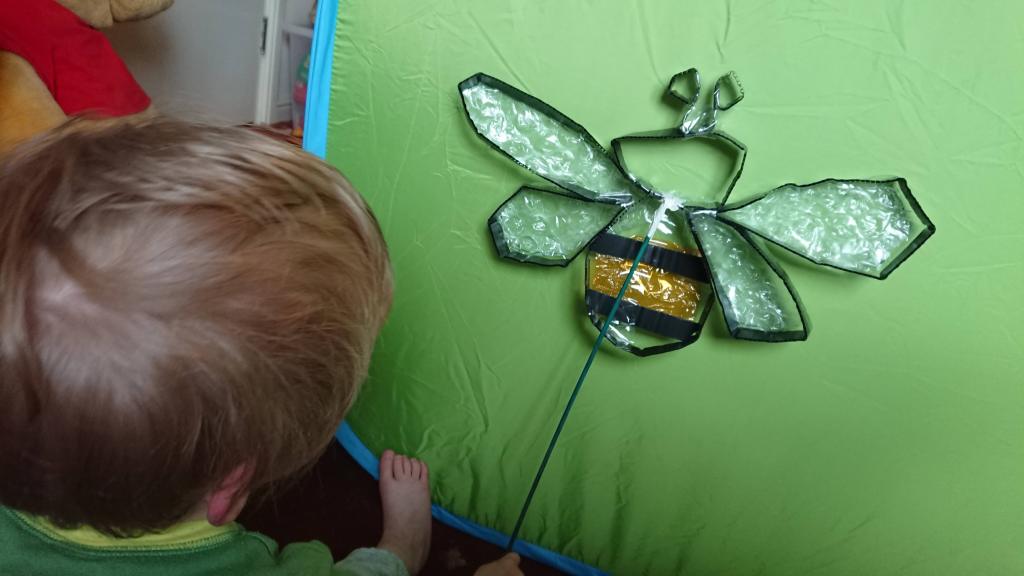
Shadow puppetry also shows pupils that they don’t need expensive equipment or electronic screens to tell powerful stories. With simple, inexpensive materials, they can go on creating their own shadow plays long after the workshop is over — developing creativity, confidence, and curiosity along the way.

For me, that’s what arts-based learning is really about: not just making something nice, but helping children discover new ways to think, express themselves, and engage with the world around them.