I was unsurprised to see that Del Toro had chosen to marry up the story of Pinocchio with Mary Shelley’s Frankenstein as the story type is the same (an artificial, man-made being is brought to life and explores the world as an innocent child would, but grows and changes through various negative and positive encounters).
The main difference is that in the original Pinocchio story Geppetto longs for a child and is glad when his puppet comes to life by a miracle. In Del Toro’s version Pinocchio is created in a drunken grief fuelled frenzy and is imperfectly made and unfinished. The addition of the lightning storm makes the Frankenstein parallel very clear and Frankenstein’s monster was also made in a hurried frenzy by Frankenstein who is only thinking of making his experiment succeed and doesn’t think about making his creation aesthetically pleasing or how others will react to him if his experiment succeeds.
The initial sequence when Pinocchio first comes to life shows Pinocchio’s limbs bending in the wrong direction and looking almost like a spider and is undoubtedly how a puppet would look if brought to life and unsure how to walk and move about. This sequence where Pinocchio trashes the whole room and drops and smashes every breakable item and narrowly avoids hitting Geppetto with various sharp implements is not one that I would think is very child-friendly (though I haven’t watched it with any children yet) but at the same time it is mellowed somewhat by the fact that it is obviously an animated film full of fabricated puppets (including Geppetto) and also by the song Pinocchio sings as he explores the space and its objects. He may be seen as a monstrous unnatural being at this point by Geppetto but the chaotic, destructive rampage that Pinocchio embarks on has the chaotic innocence of a toddler exploring.
Del Toro’s Geppetto is grieving for a lost son who dies a violent and senseless death when a returning enemy bomber chooses to lighten their load by disposing of left-over bombs over a small village that was not a target. He wishes his boy alive again when he carves Pinocchio from the wood of a tree that grows on his son’s grave, (again echoes of Gothic horror rather than family movie here). Once Pinocchio appears in answer to his wish, however, Pinocchio is not just told off for being a bad disobedient boy like in the original story he is additionally compared to and in the shadow of the memory of Geppetto’s lost son who was a good obedient boy.
In the original Disney film (1940) Pinocchio is repeatedly naughty (disobedient) and only becomes a real flesh and blood boy by learning to behave himself and be a good/obedient boy, (in other words the story is a morality story to teach children to be obedient to their parents). Del Toro transports Pinocchio to Fascist Italy and WWII. The authority figures in the film include Geppetto, a Catholic Priest (who is in sympathy with the Fascists), Count Volpe (a circus showman), Podesta (a local fascist representative) and Benito Mussolini. Pinocchio defies all of these and is an untameable wild spirit but at the same time, he craves the love and acceptance of his father Geppetto and the love of others around him. He begins to make decisions not just because they are easy or pleasant, but because he thinks they will help his father and his friends. He does not transform into a flesh and blood boy at the end as a reward for being good but instead sacrifices himself and his status as an immortal being and gains the love and acceptance of his father for who he is rather than an imperfect imitation of a dead boy.
Pinocchio chooses to be “a real boy” by becoming mortal after he is warned by death that immortality is no good if the people you love all die and leave you behind and that life has more meaning because it is brief. Del Toro chooses, however to end the movie by showing Pinocchio visiting the graves of his father and friends that he has outlived, (although he does imply that Pinocchio will die eventually). I don’t think he intended this to be the bleak ending that it might seem, however. Pinocchio does not seem distressed and the graves are in a beautiful location. There is also an extra humorous sequence with Sebastian the cricket playing cards with the undead bunnies after his death to lighten the mood somewhat. I understand that rabbits can symbolise life, death and rebirth so it makes sense that rabbits were chosen as Pinocchio’s corpse bearers after his multiple deaths and perhaps implies that Sebastian and the others will also go on to some form of rebirth.
After watching the film, I thought I would look up some of the reviews and background to the making of the film in the hopes of making a blog post out of it and discovered references to Disney’s live action re-make of their original 2-D animated Pinocchio film. I found that while Del Toro’s Pinocchio had excellent reviews on Rotten Tomatoes, this Disney remake was almost universally panned. One review simply said “Just watch the original” and I also discovered that Tom Hanks as Geppetto received a Golden Raspberry award for his part in the film.
I like Tom Hanks, he is a great actor and a small number of audience reviews said that they really liked the film and that it was just the same as the original but with added visual pizzazz. I thought it was worth giving it a watch for comparison as Tim has a Disney + subscription at the moment.
We tried to watch it but only got about 23 minutes in before we had to give up because we just couldn’t stand it any more.
It was a combo of CGI and live action rather than stop motion, but that was not the problem. The script and the direction were a killer combo of mind numbing dullness and cringeworthy awfulness. I could cope with boring, but the rhymes of the blue fairy struck me as significantly worse than an amateur panto script.
Like Del Toro, Disney had decided to ring the changes from the original and had the memory of a dead son as inspiration for Geppetto’s “wish upon a star” but the script was dragging exposition of the worst kind and the way they laboured the point of why his name was “Pinocchio” and then repeated again just in case you missed the long winded explanation the first time was excruciating.
The “Wood Sprite” in Del Toro’s film glosses over the naming in a simple elegant way that doesn’t insult the audience’s intelligence.
I cannot speak to whether the rest of the film improves from this point onwards, so feel free to give it a try if you like. A look at the film’s Wikipedia entry seems to suggest that like so many things, this film was a victim of the pandemic. There were lots of switch arounds of people working on the film and that has left it a hodge podge awful mess, lacking clear vision or cohesiveness.
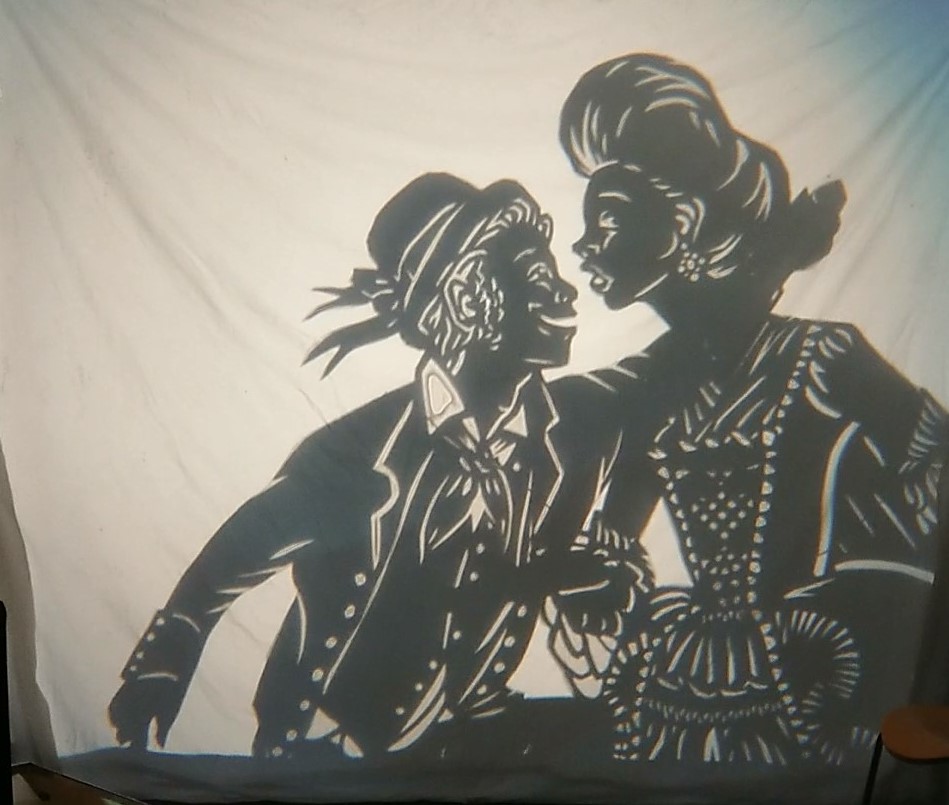
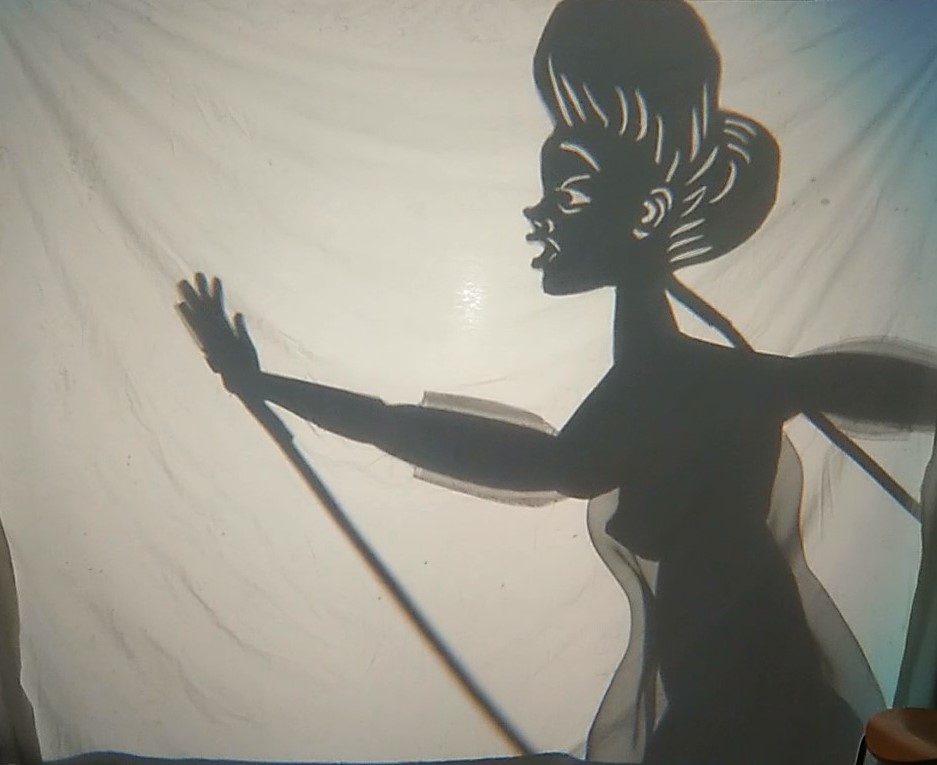
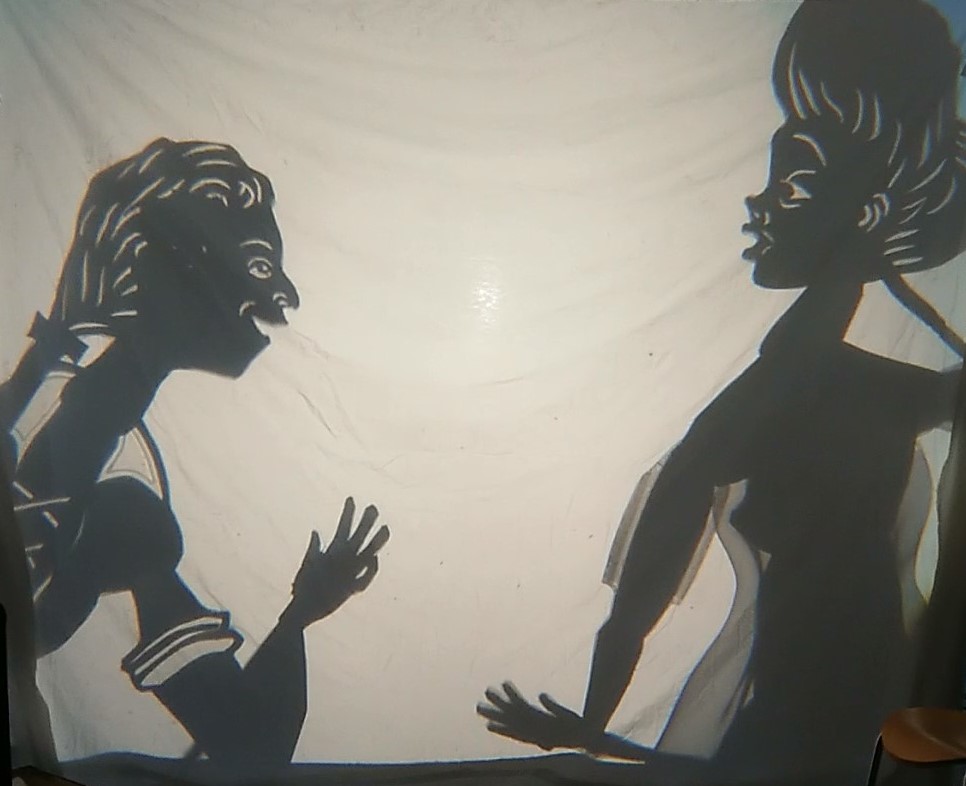
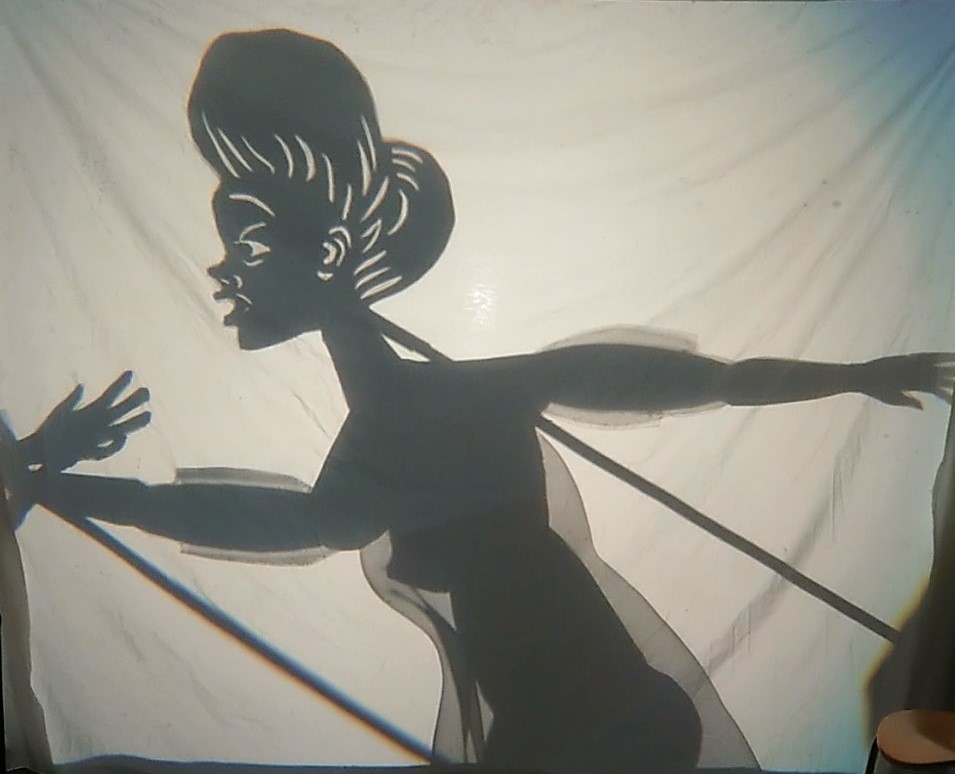
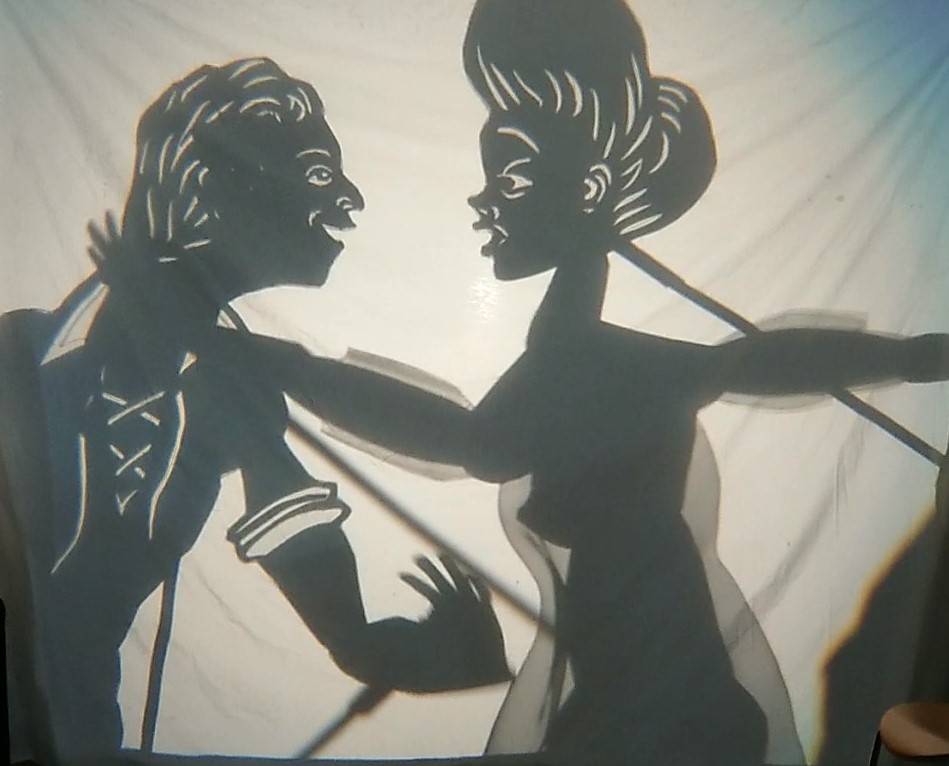
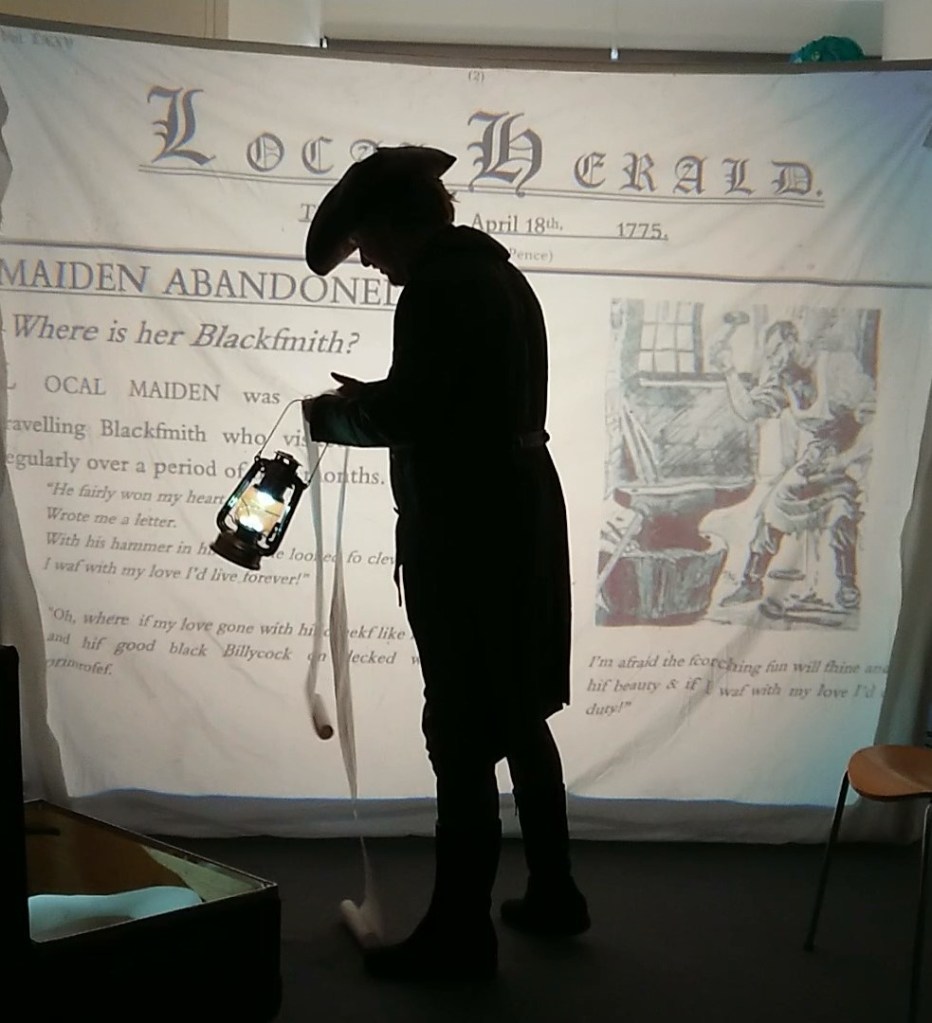
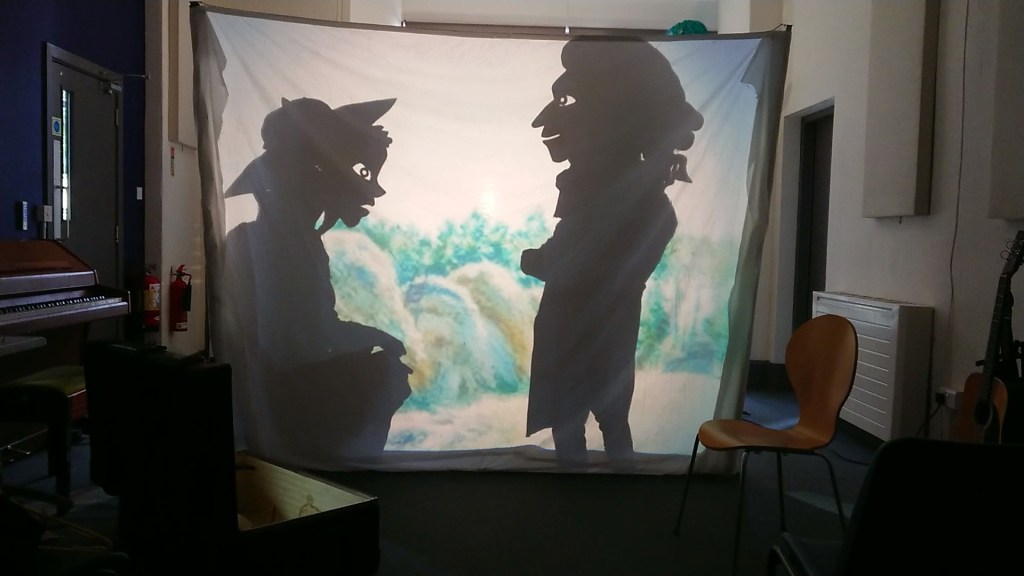
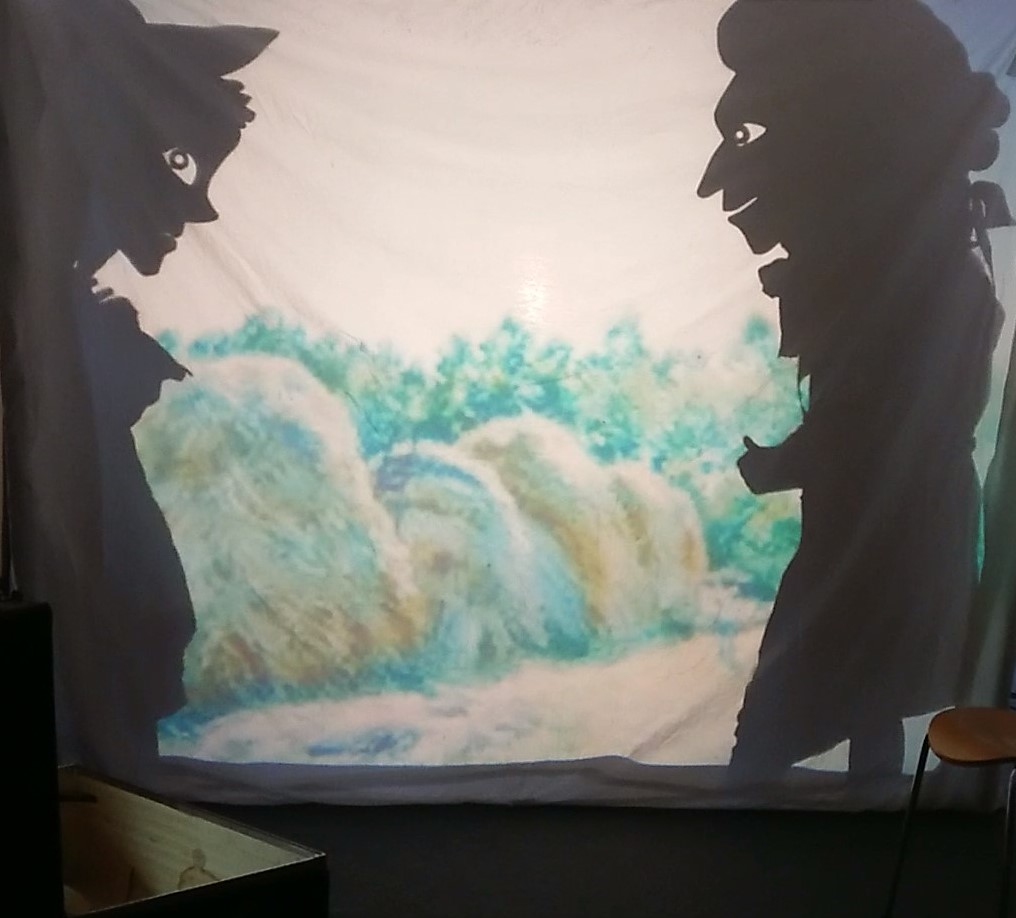
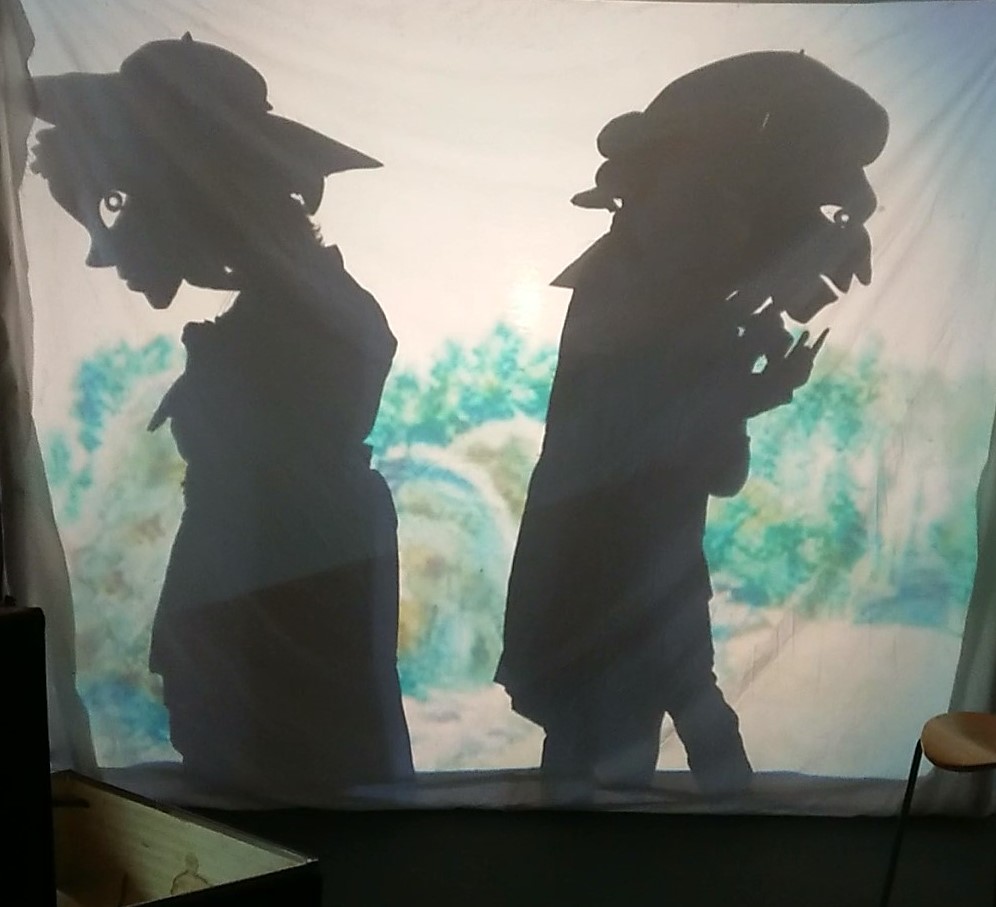
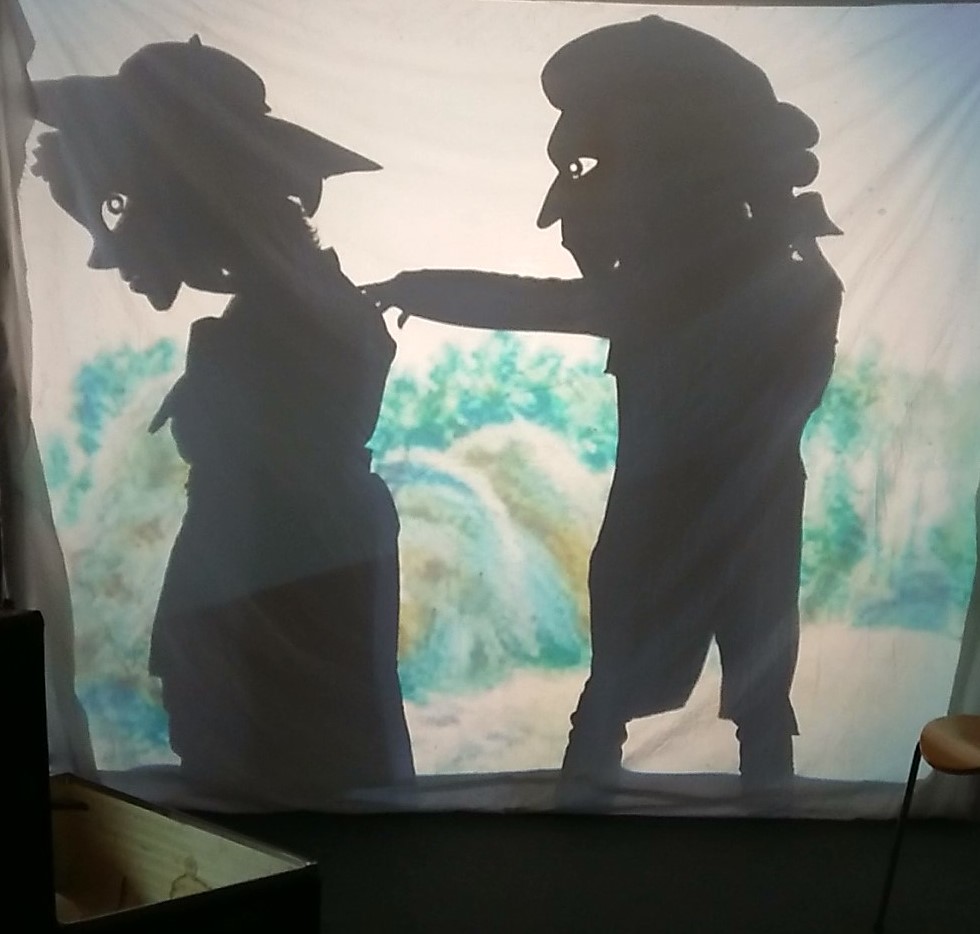
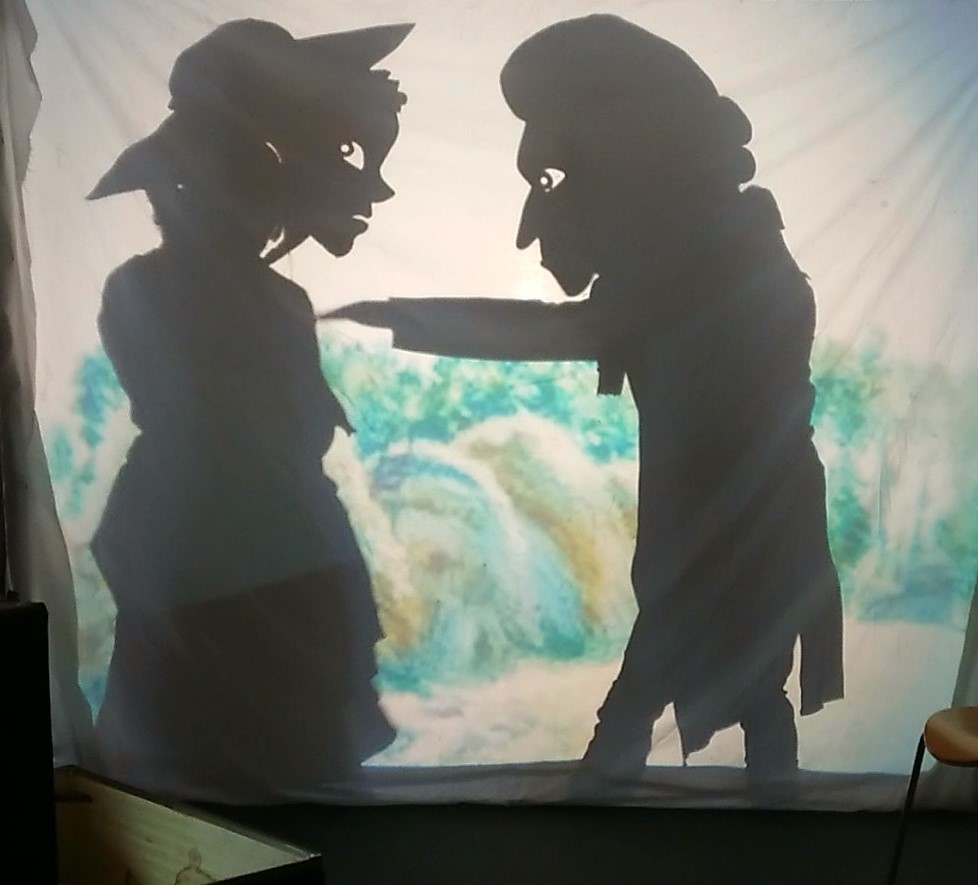
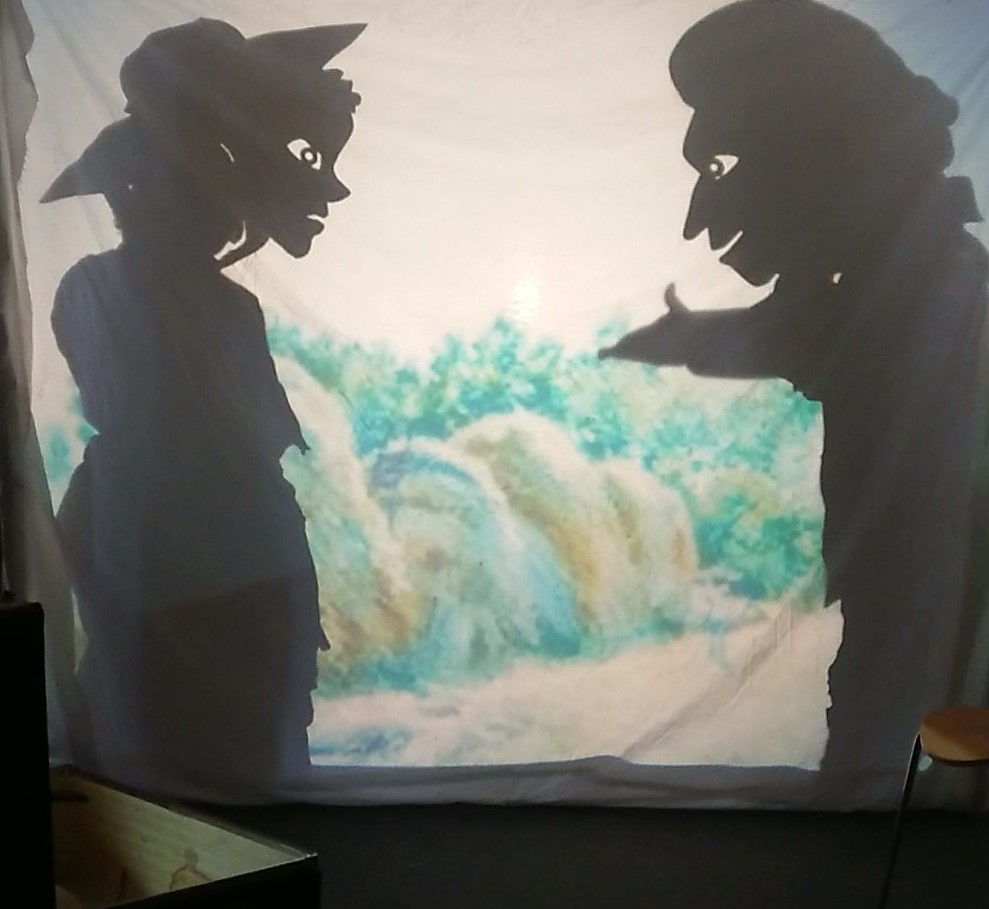
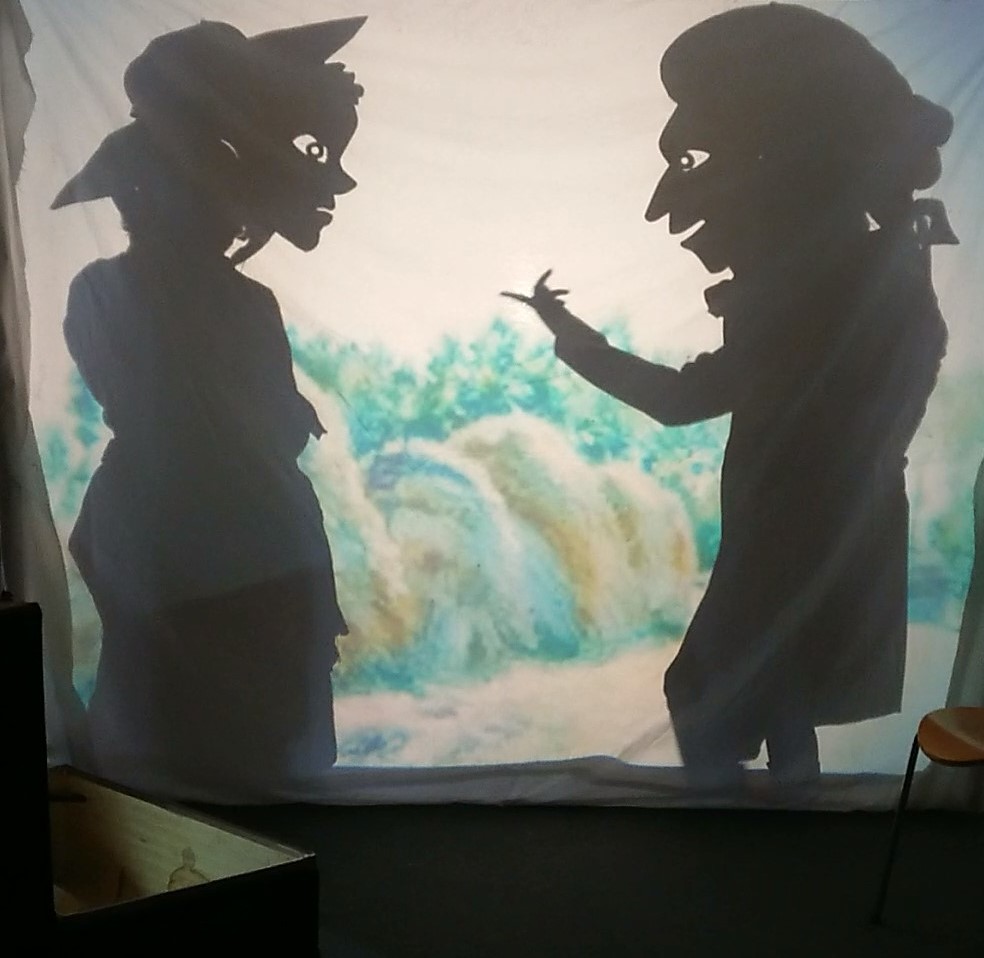
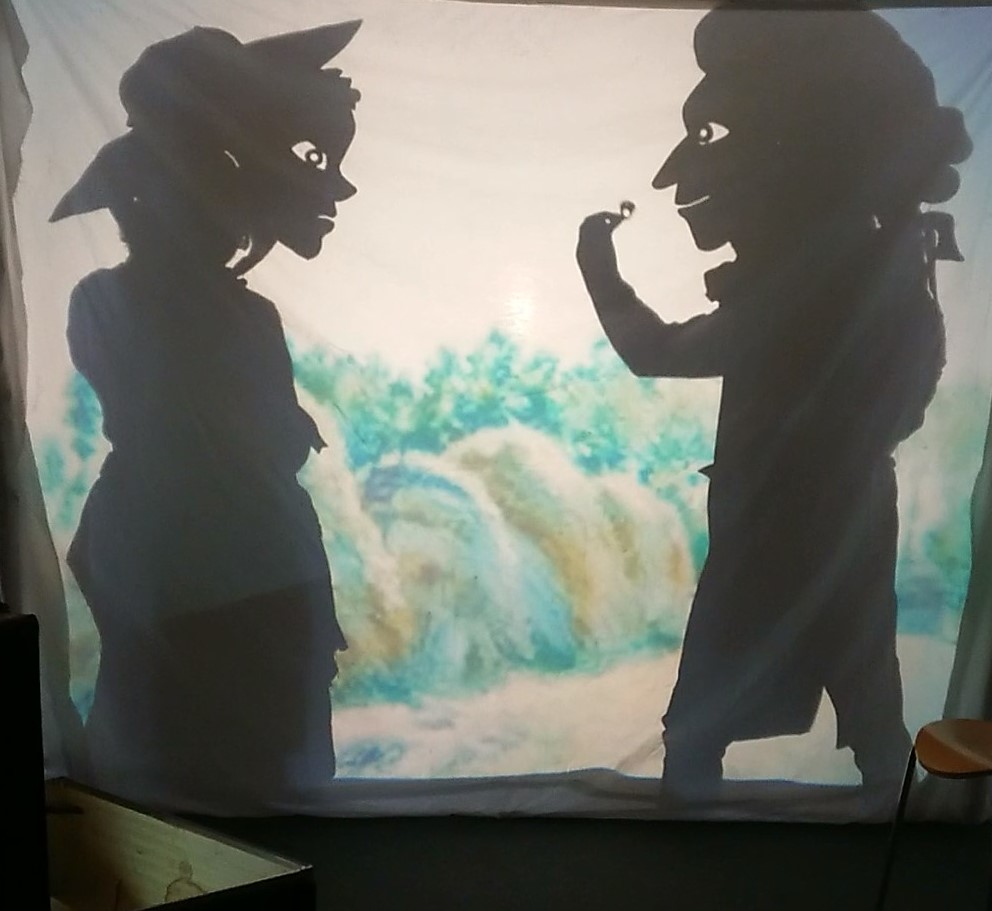
As to how these two films compare with Upfront’s puppetry version which did a cut down but very faithful adaptation of the original story (from what I know of it), I would say that live puppetry beats cutting edge stop motion and live actors or CGI because of the immediacy of the performance and the direct connection between the puppeteers and the audience.
It may seem like sacrilege to say it but although Guillermo del Toro’s masterpiece is undoubtedly an animated triumph and definitely superior to the live action Disney film, it seemed too realistic and too perfect and too similar to a live action or CGI film because all the amazing technological tweaks got it to seem so smooth and life-like.
I am a huge fan of stop motion animation, but I like to see how it works. The jerkiness of the creatures in the Sinbad Movies by Ray Harryhausen is what makes them magical to me. Although Del Toro says this is the reason he wanted to use stop motion, (because of the imperfections and being able to see that everything has been physically made out of real things) I am not convinced this comes across. After getting over the stylisation of the figures my brain just started to tell me that these were people and that it was really happening. Pinocchio did, however, seem like a puppet because of the way he looked, (half formed, unpainted, spindly un-natural limbs, round head and long pointy nose). On the other hand Del Toro said that he wanted Pinocchio to look like a puppet and behave like a human being while the other characters were meant to look more life like but behave like puppets, so if that was what he was aiming for then I guess he achieved it and to have them as actors wouldn’t have achieved the parallel he was trying to make.
Although the action, (particularly in the scenes where Pinocchio is made) is very dramatic and the historical setting is very compelling, I didn’t feel awed or swept away by the film. I think a big part of the reason for this was the music. I sadly felt that the music let it down. I understand Del Toro didn’t want it to be like a conventional musical and that he didn’t want it to be like: “and now we’re going to sing a song about how we’re feeling!” (cue twinkle on shiny, shiny teeth). However there are plenty of serious adult films that are enhanced and uplifted by amazing music and this film deserved something another level up dramatically and emotionally. I did watch the film while in bed with Covid and I wondered if this affected my perception and made it seem less exciting perhaps, but when I watched it again with my husband Tim he agreed that the music wasn’t great.
My favourite characters in the film were Spazzatura and Count Volpe. Spazzatura’s character isn’t in the original story (I suppose you could say he is a substitute for the cat) but he is a very dynamic character on all levels from the way he moves to the story arc and progression he makes through the story. I also loved the whimsical device that Spazzatura could make the puppets speak but could only communicate through sign language when not puppeteering. Count Volpe combines the characters of the fox, the puppet master Mangiafuoco and the circus ringmaster. He is quite over the top and theatrical in terms of his appearance and behaviour, (but that is quite to be expected from a showman) and I have to say that I enjoy my villains arch rather than multi-faceted and misunderstood. It was extremely satisfying when Spazzatura turns on him and causes his downfall.
To conclude:
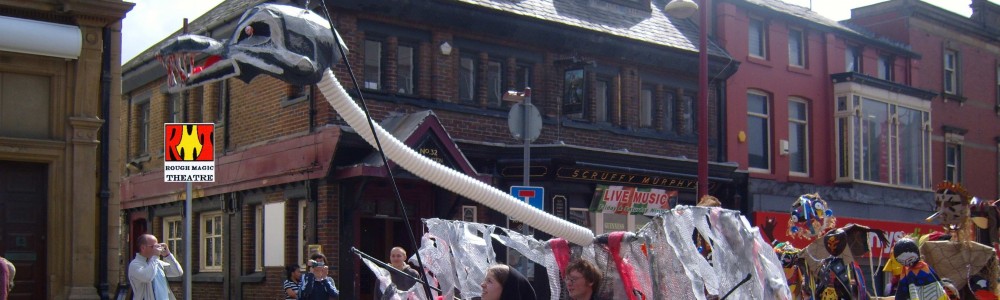
I have found the process of writing this review very interesting and illuminating and have learned many new things that I did not know before. It seems like the story of Pinocchio is a very powerful one which has been adapted and remade again and again according to what the author/creator/adaptor wants to say. I will definitely try to get round to reading the original book “The Adventures of Pinocchio” by Carlo Collodi myself at some point. Who knows? Maybe we will make our own Rough Magic Theatre version some day.
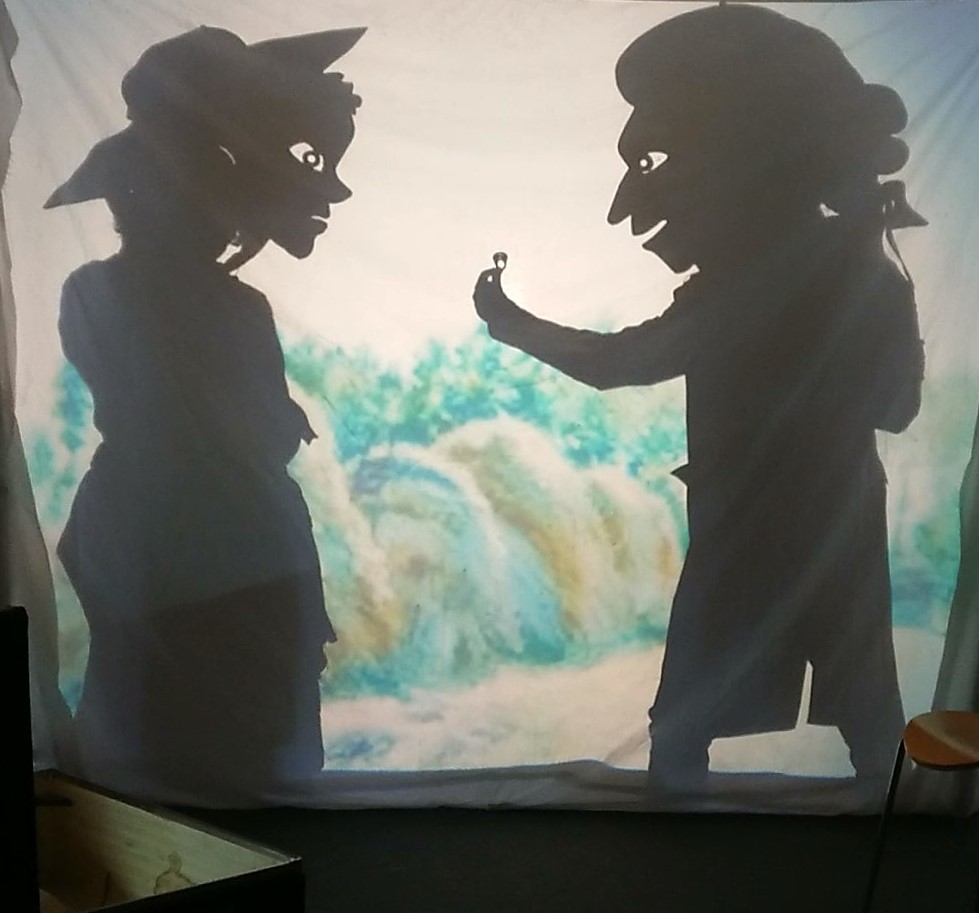
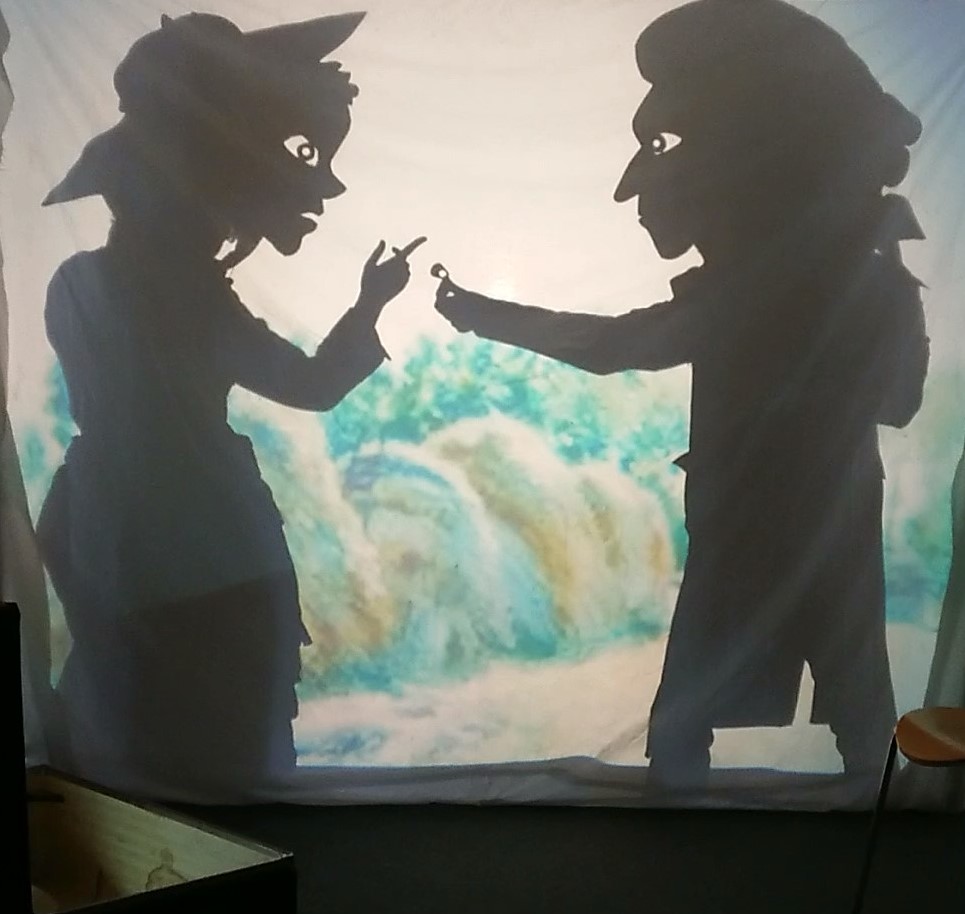
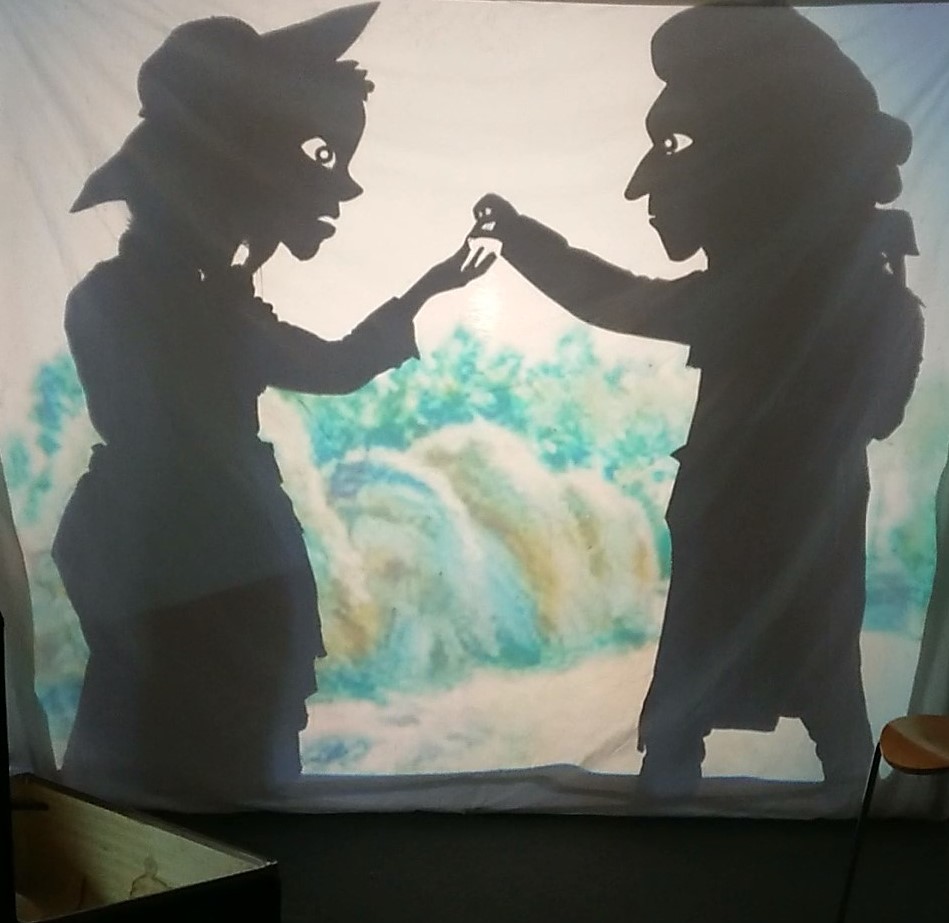
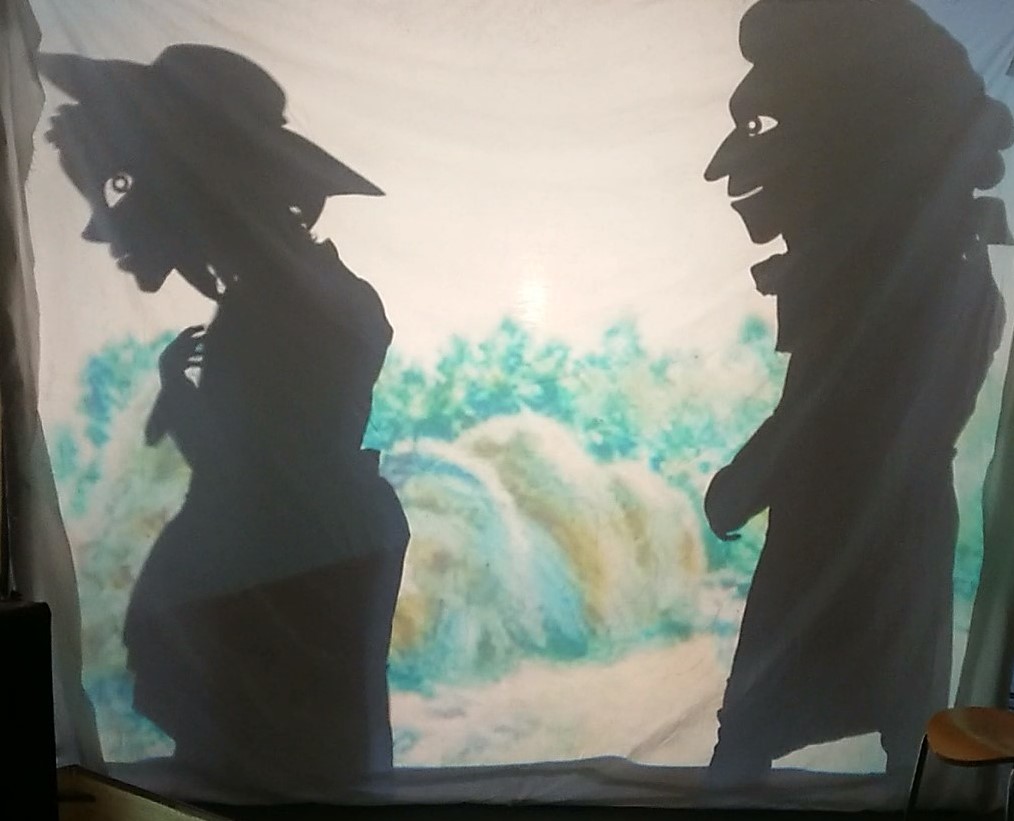
For those who haven’t seen it, here is a puppet film called “The Ribs & Terror” by Patrick Sims that fuses the stories of Pinocchio and Moby Dick. This was shown as part of London International Mime Festival and is another example of the story inspiring new and fascinating work:







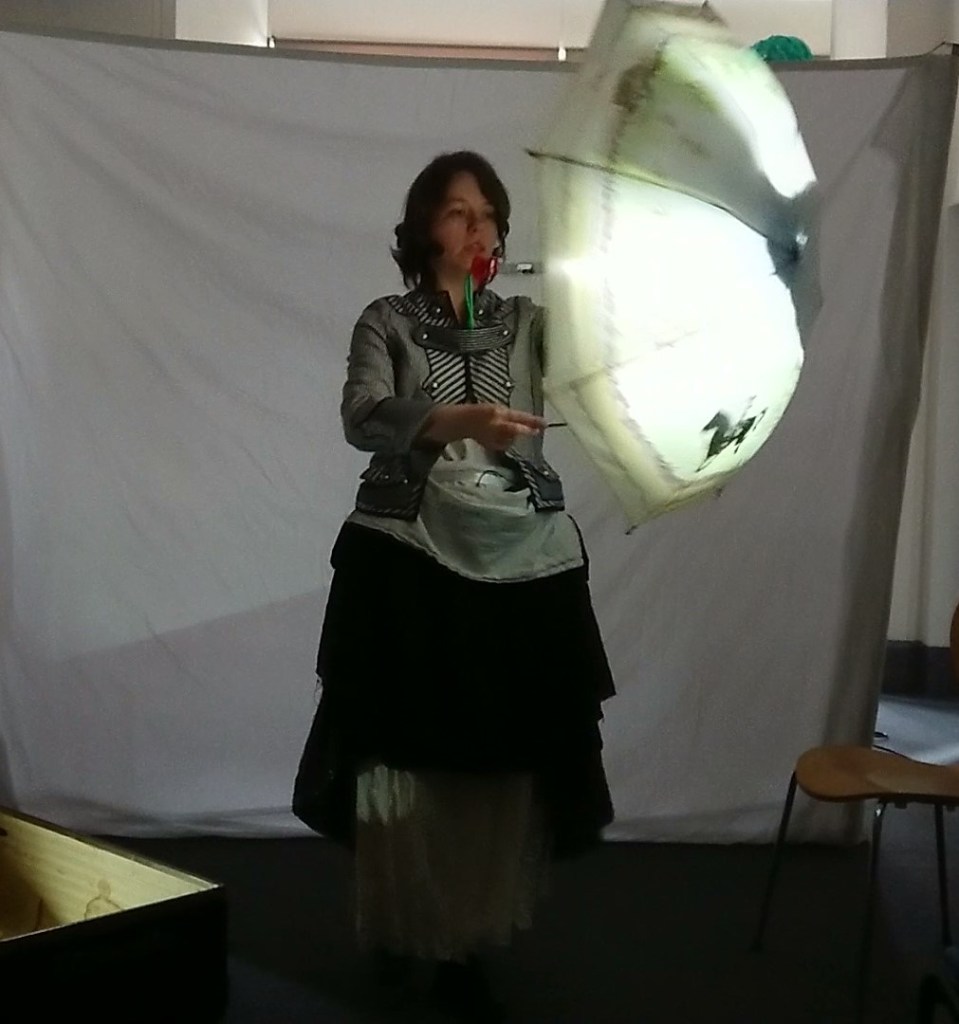
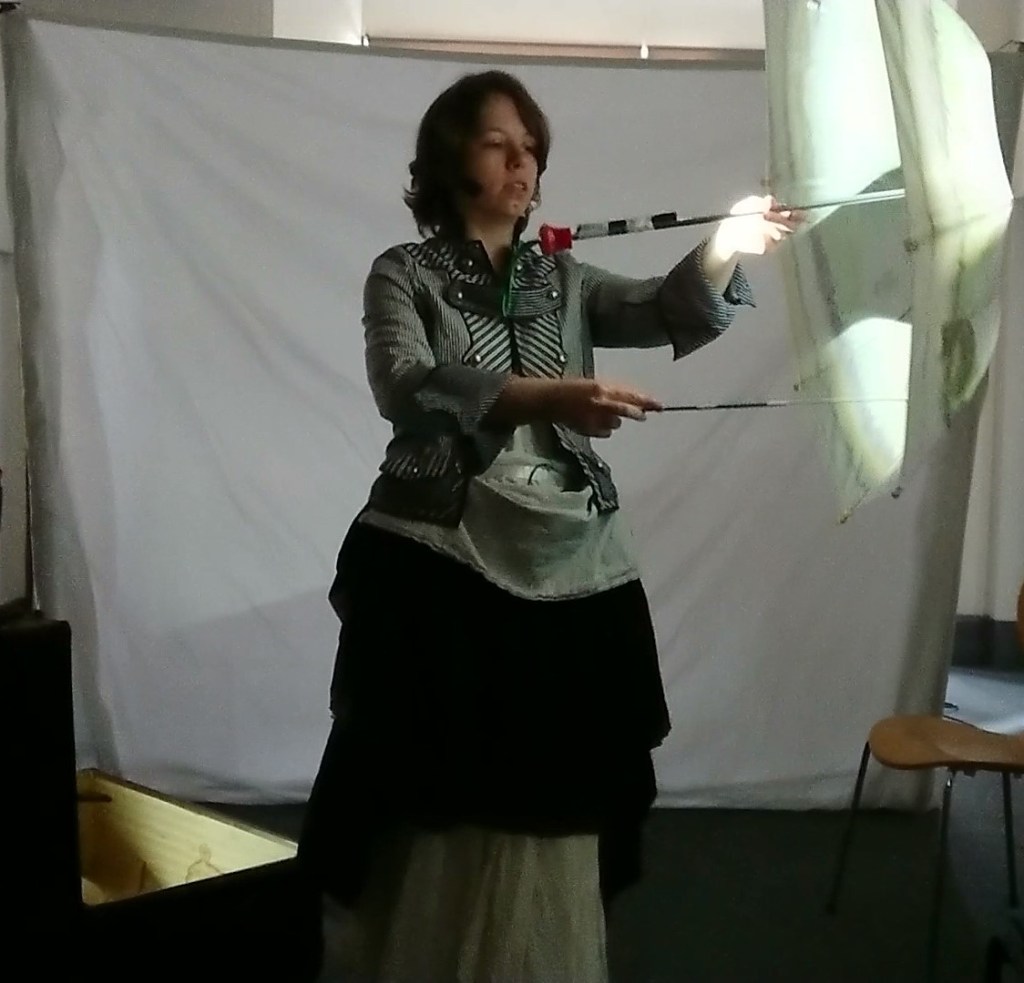
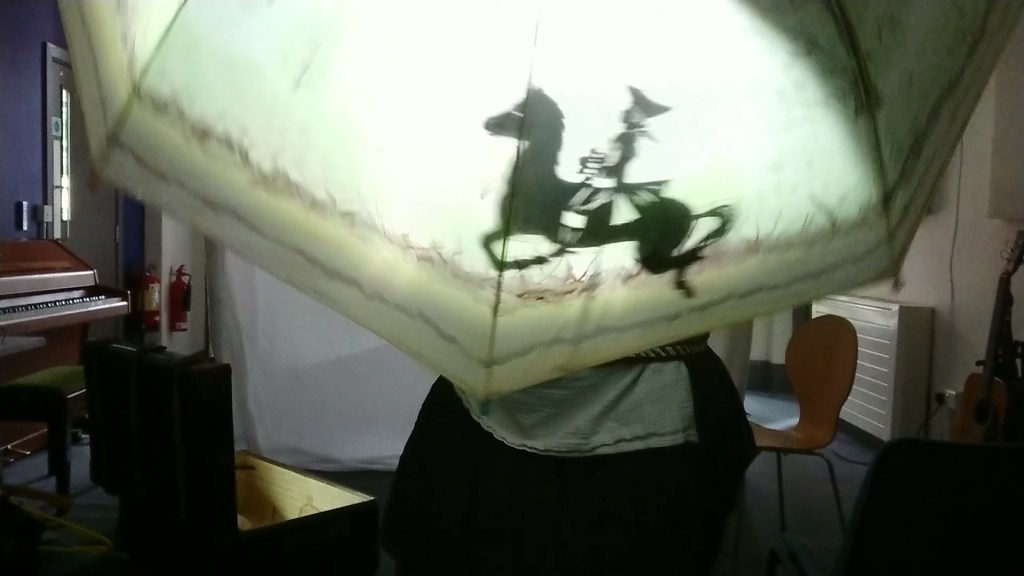

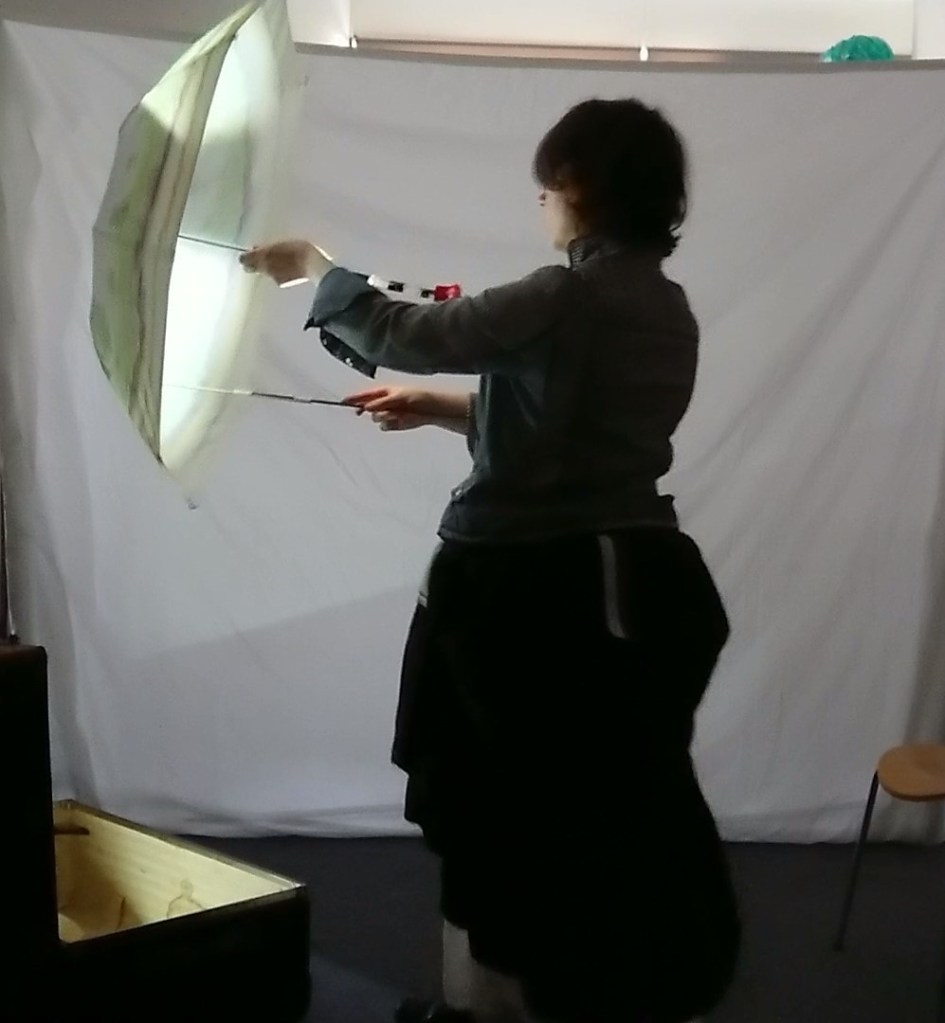







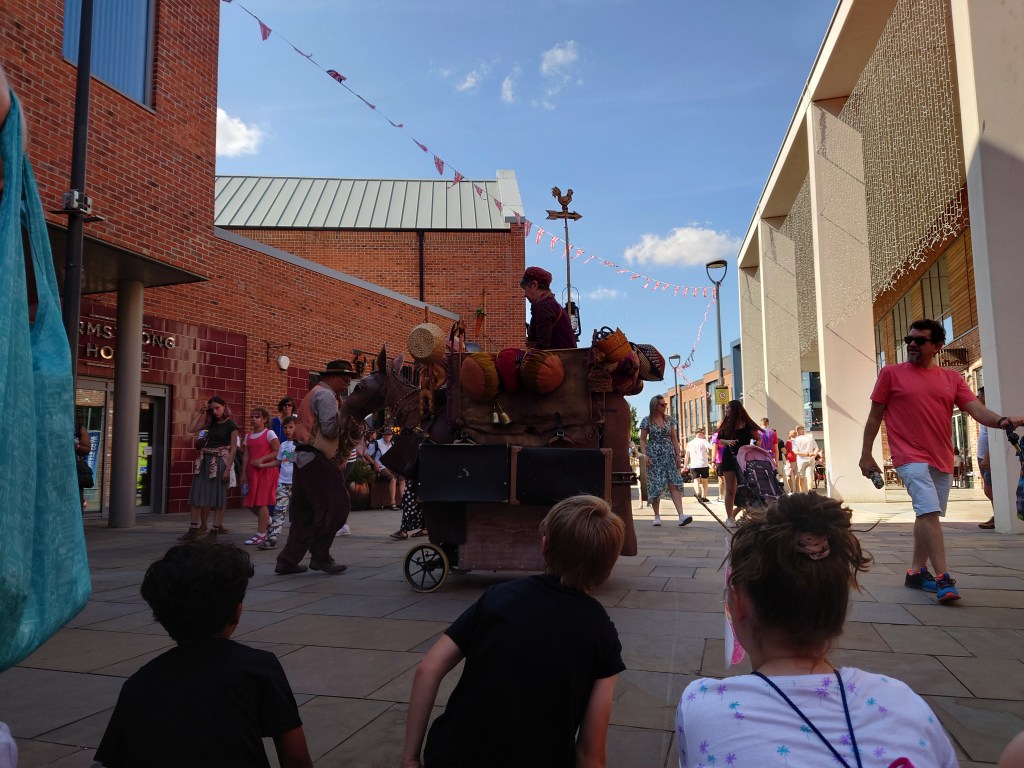
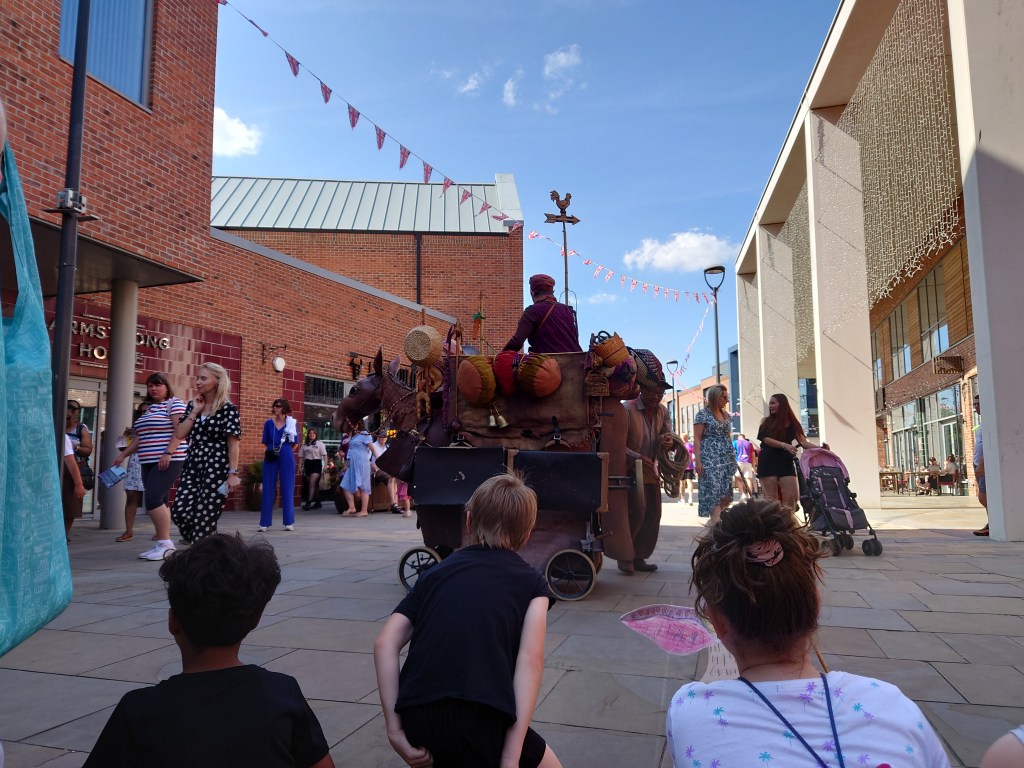
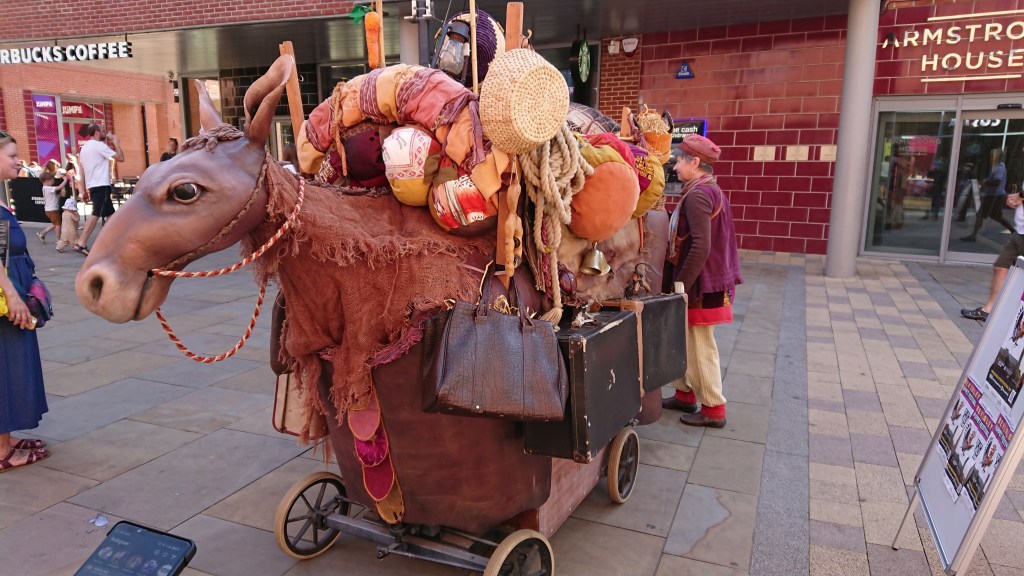
 Puppet Lady