Looking Back at Our First Shadow Puppet Show

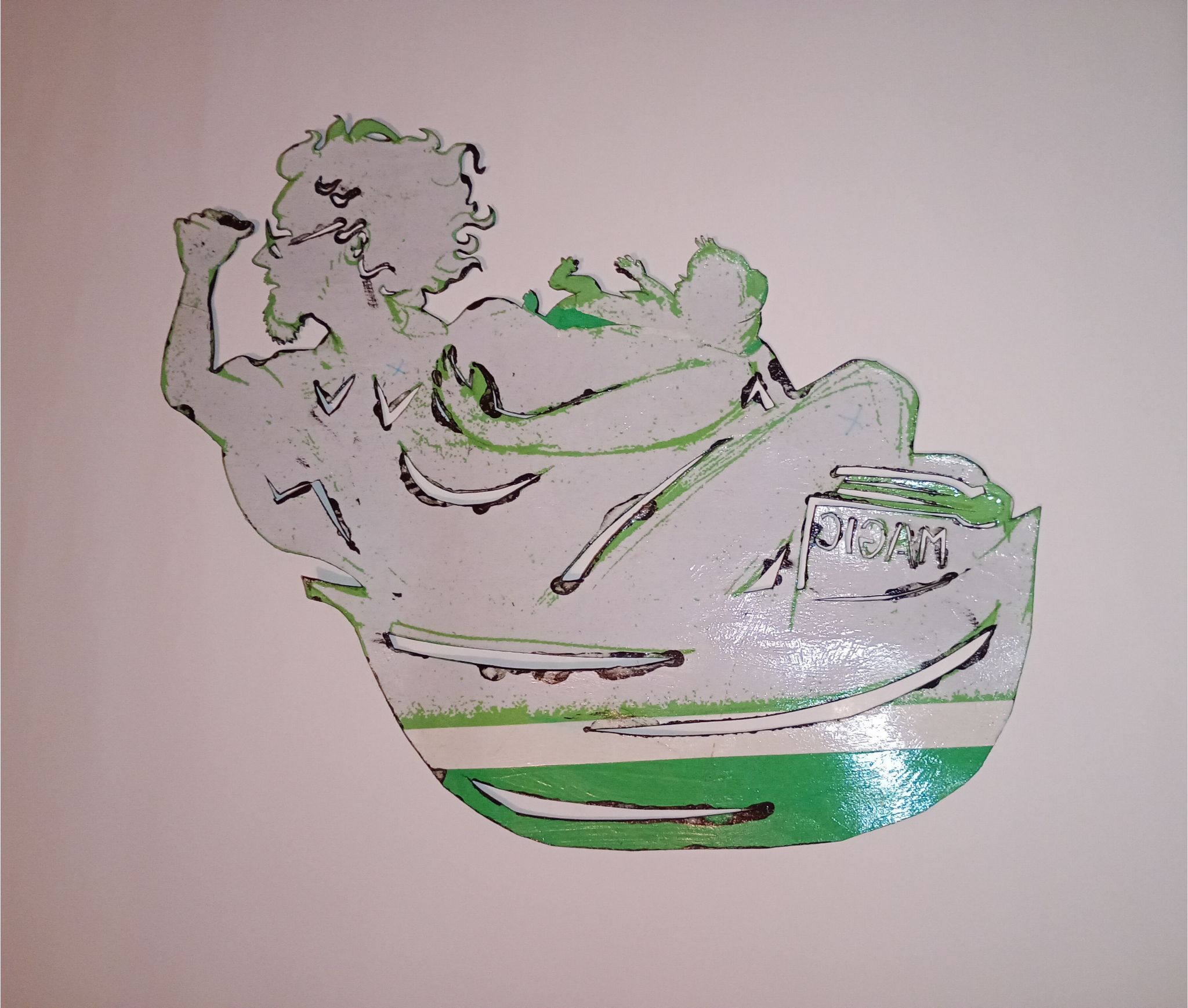
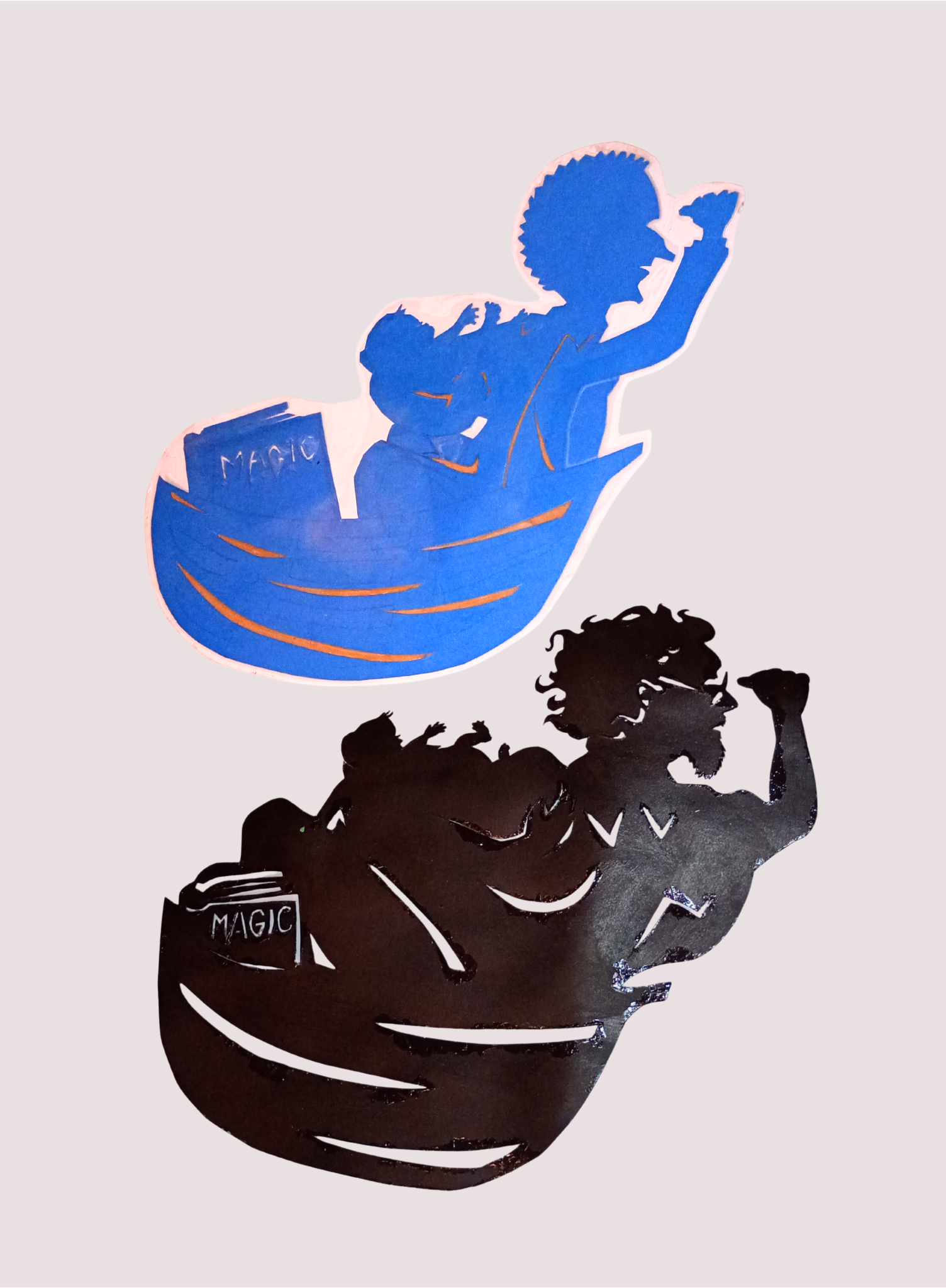
As I mentioned in my previous post, the New Year is a good time to take stock, pause and reflect on your practice. While sorting my workspace recently, I came across some shadow puppets that I used for the British Puppet Guild Show & Tell event last year. These were from our very first Rough Magic Theatre show, The Tempest, based on William Shakespeare’s play.

Looking back at these early puppets is fascinating, because they clearly show the development of my practice. I’m still very proud of them — they worked extremely well for that show and for the way we were working at the time — but I can also see how much I’ve learned since then.

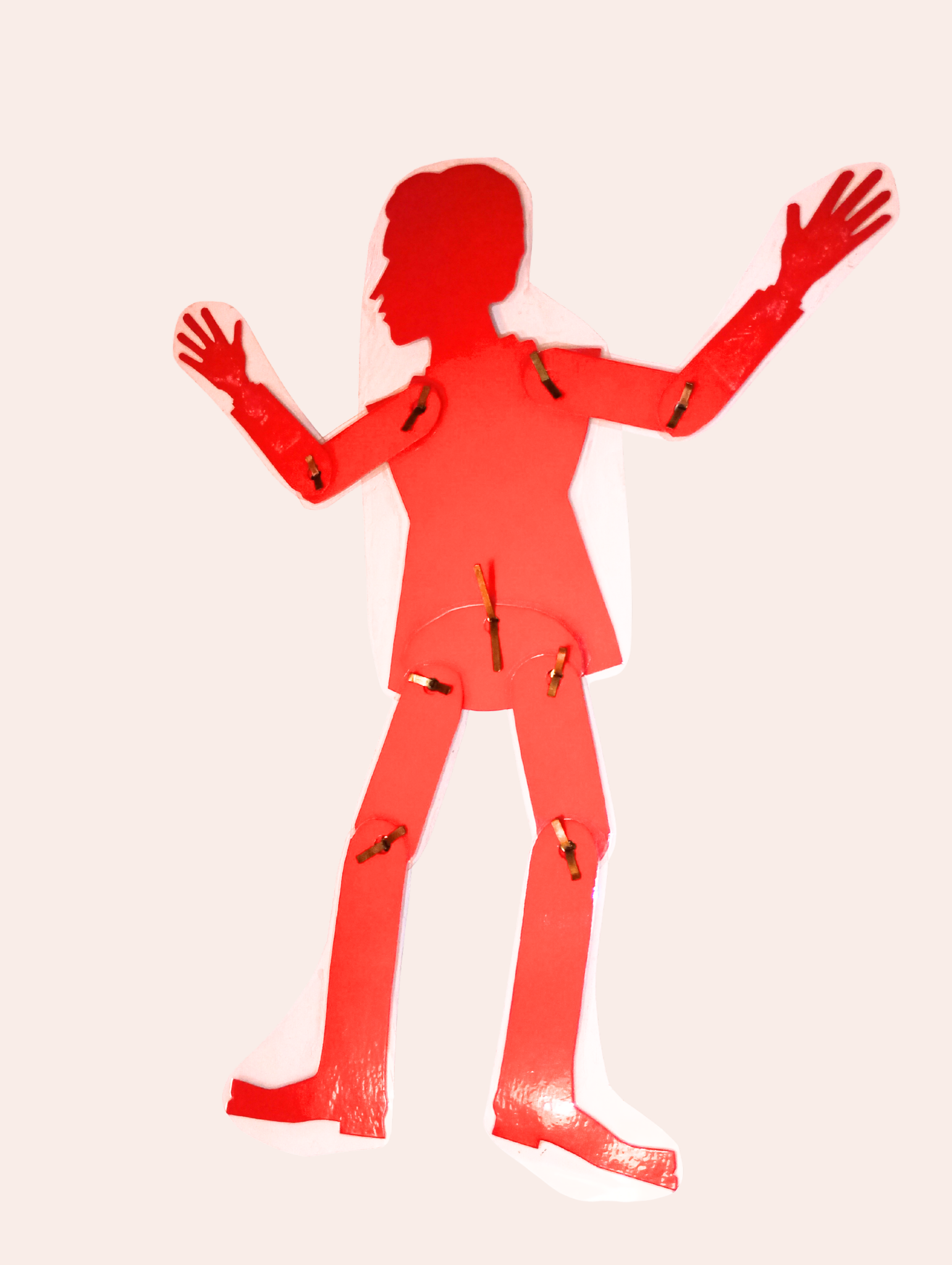
The process of making and using these puppets taught me a great deal: what reads clearly in silhouette, what works less well, and how different materials or jointing can have a big impact once a puppet is in performance.

As I often say in my shadow puppet making workshops, one of the great advantages of puppets over human actors is that the puppet is the character. It doesn’t need to adapt an existing appearance to fit a role — it can look like anything you imagine and do things that are impossible in real life.

Shadow puppetry adds a particular sense of magic to storytelling, and considering that The Tempest is a play filled with magical characters and events, it felt like a natural fit. That same quality is something I continue to explore in newer work, including our current show Fairytales of Wit, Wisdom & Witchcraft, which is booking from late Spring this year.

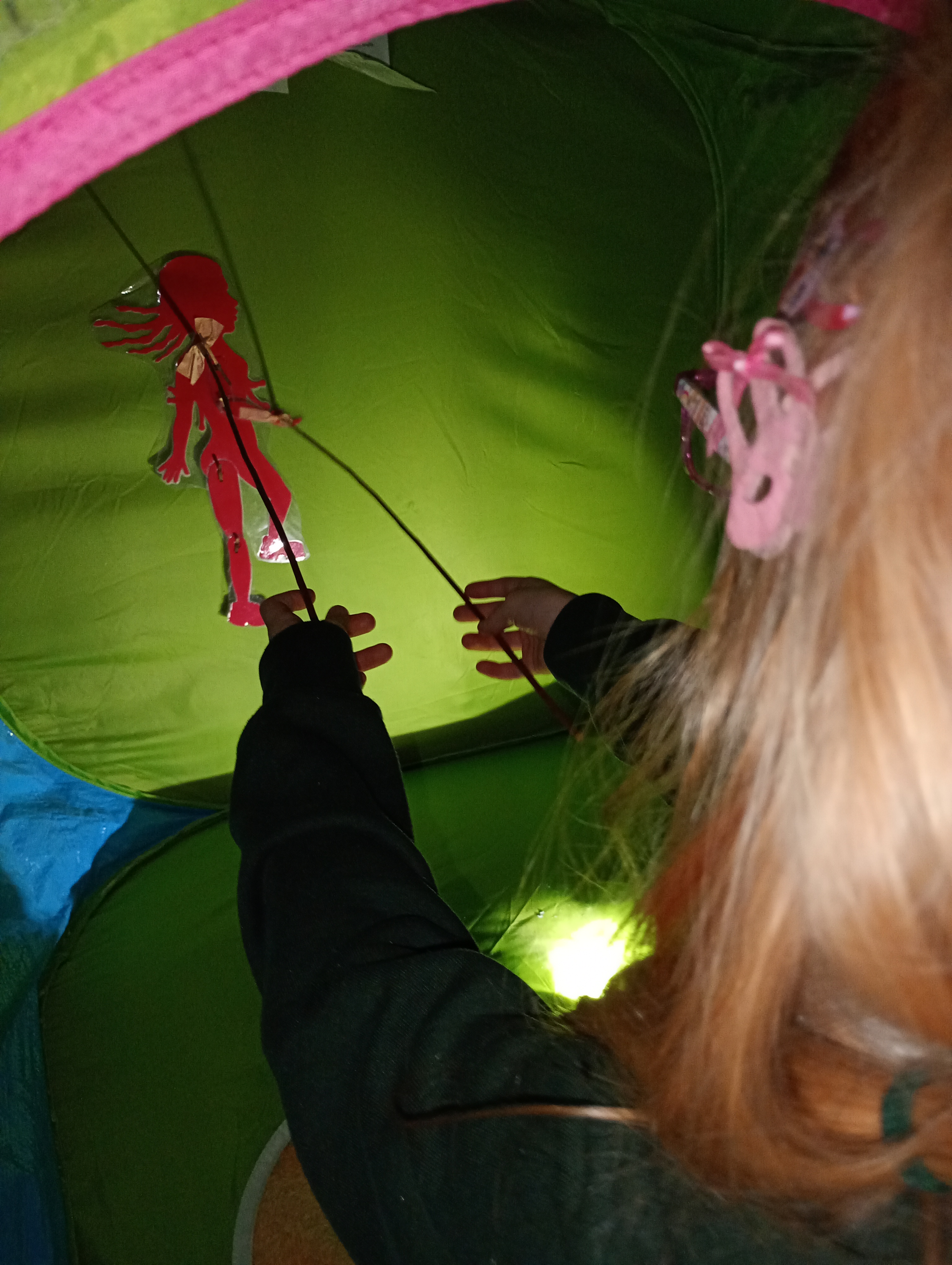
You can also see in the video below how different the puppets feel in performance compared with the inanimate, behind-the-scenes view. From the audience’s perspective, it isn’t the puppets themselves that are seen, but light and shadow on the screen.

Shadow images can be made to shrink, grow, appear, disappear and distort through the relationship between light, screen and object — not to mention the possibilities created by multiple light sources and coloured gels. It’s this interplay of technique, imagination and illusion that continues to draw me back to shadow puppetry again and again.

Below is a short video showing photographs of the puppets themselves, followed by the shadows in action. I used both a wall and a pop-up tent to make these quick demonstrations. They show how even simple puppets made from card can withstand many years of repeated use — these particular puppets are around 25 years old.
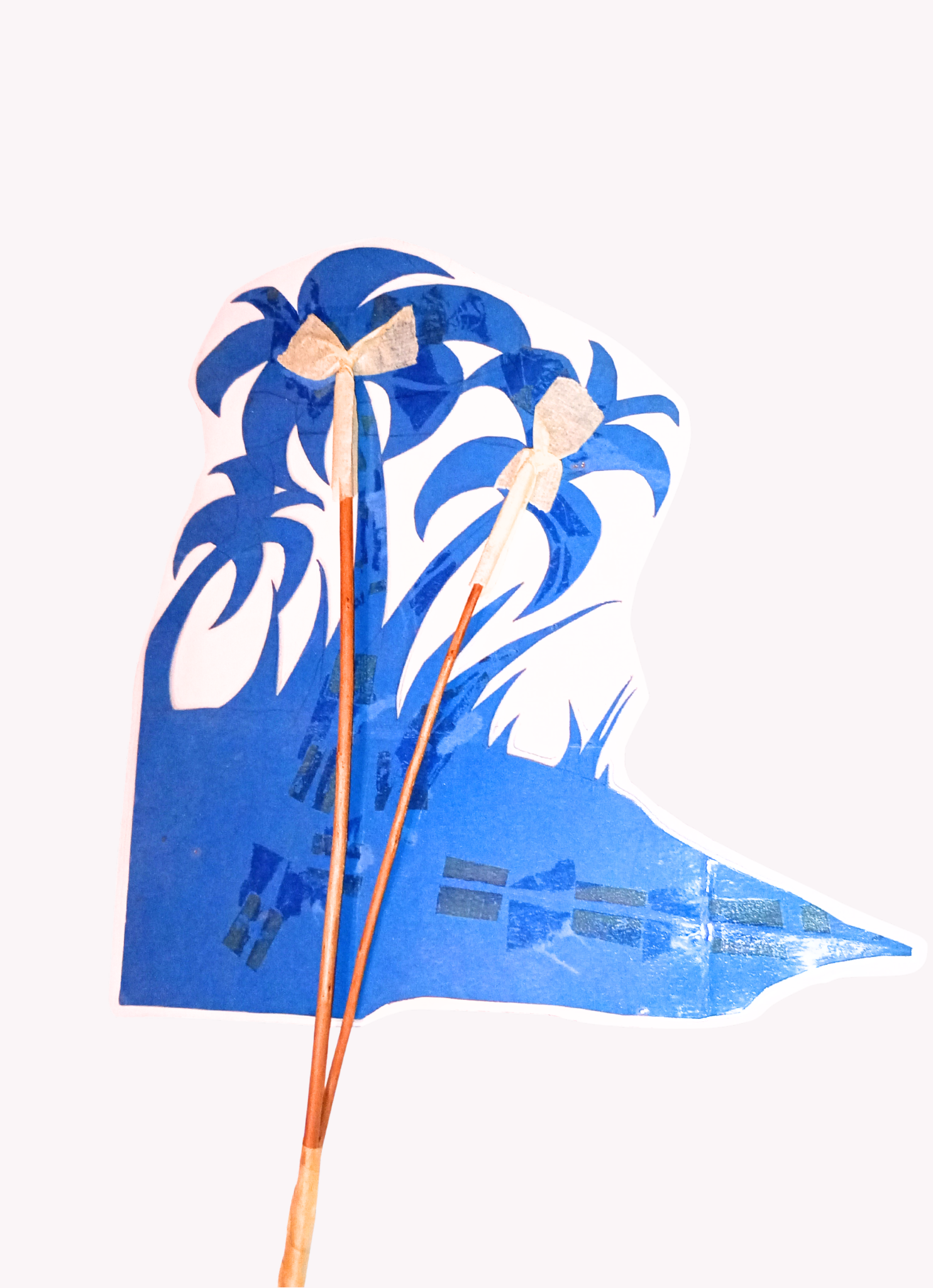
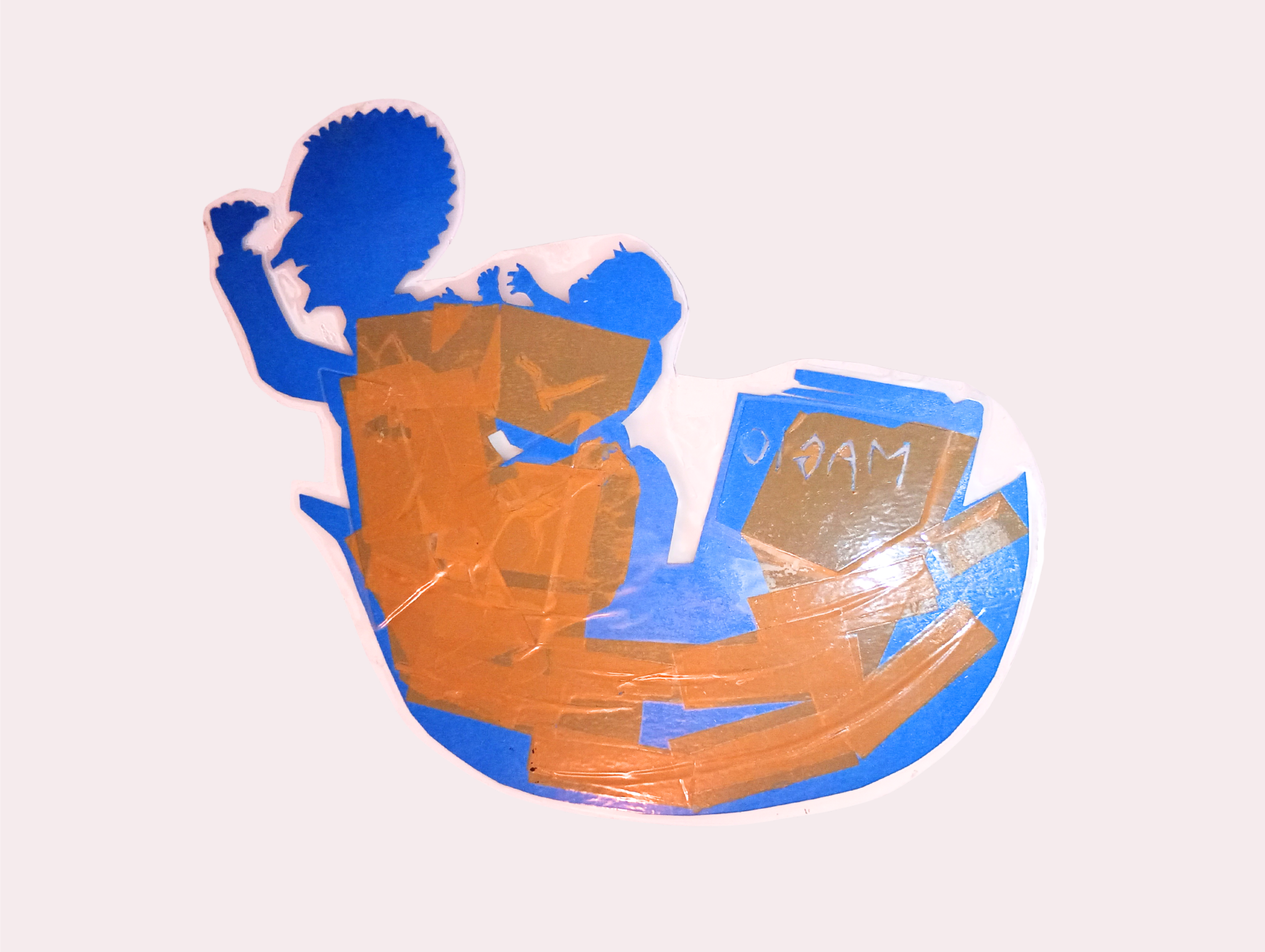
Please leave a comment if you’d like to ask any questions about how these puppets were made or used.
Skipton International Puppetry Symposium

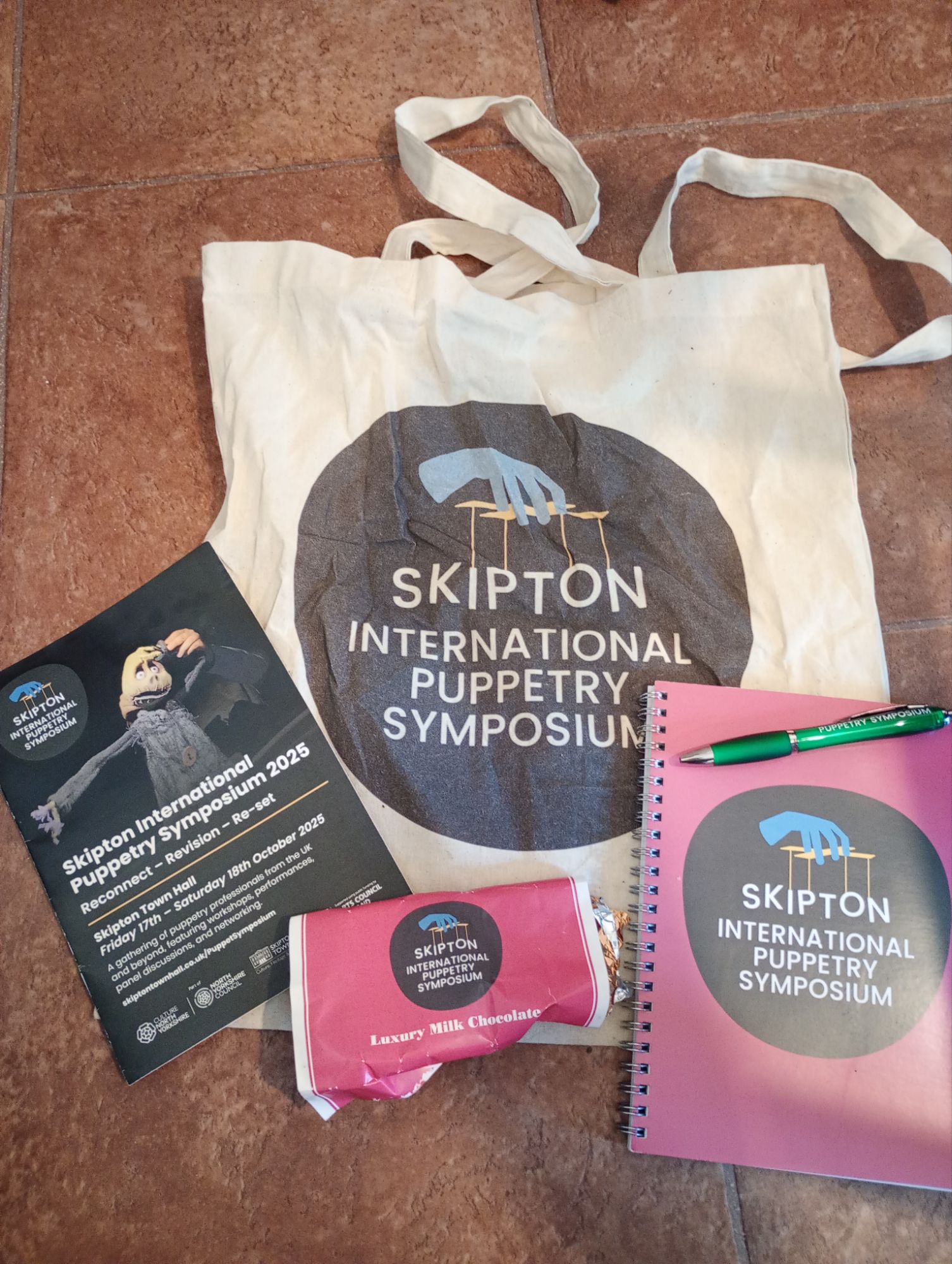
I attended the first ever Skipton International Puppetry Symposium this last weekend.

It was hosted by Skipton Town Hall who did an excellent job. The talks and networking opportunities were great. It was really lovely to see old friends and people who I’ve only encountered online before plus making new contacts.

img_20251024_123022285_mfnr6929091826044758183

In the first panel discussion at the Symposium was posing the question “Where are we Now” in terms of the puppetry community. The panelists were Mike Dixon from the British Puppet Guild, Cariad Astles from BrUNIMA, Malcolm Knight from PuppeteersUK, Hugh Purves from The Puppet Centre (which is just getting back up and running again after a gap) and Clive Chandler from the PJF. Malcolm also brought his experiences from The Scottish Mask & Puppet Centre to the discussion as well.

David Micklem introduced the discussion and talked about how he felt that in the 90s puppetry was on the fringes but with productions such as “War Horse” and giant puppets by Royale de Luxe arriving on the scene puppetry arrived, (in terms of recognition of the artform).

It was acknowledged that things were difficult now in terms of getting work and funding and that we are in fact down to just one puppetry National Portfolio Organisation getting regularly funded by the Arts Council (Theatre-Rites). Clive also mentioned the lack of support for the arts from local councils now (Birmingham’s arts budget has completely gone and the Cannock Chase museum that Clive has been performing in regularly for years has also gone).

John Parkinson of Upfront Puppet Theatre in Cumbria had a more positive report that their theatre is now receiving a share of the arts funding from their local council for the first time after many years of running their business without any outside support. You can find my other posts about Upfront here: (Snow Queen, Stanelli’s Super Circus, Pied Piper, Commedia dell’Arte masks, Jack & the Beanstalk).

The speakers talked a bit about the organisations they were representing and then questions were taken from the floor including the discussion of the fact that there is not a tick box for puppetry as an art form on the Arts Council England grant forms when even relatively niche art forms like mime are represented. There was a lot of discussion about how we can start working together as a cohesive group to advocate for puppetry as an art form. PuppeteersUK was originally set up to do this job of bringing the puppetry community together in the modest form of a listings directory on a website and sending out a weekly newsletter. Nowadays anyone can make their own website very easily so the monetary support for PUK has been dwindling.

On the second day of the Symposium I attended the Devoted & Disgruntled session (CLICK HERE for my previous D&D at Leeds Playhouse post, CLICK HERE for D&D at The Little Angel Theatre post) at which one of the breakout sessions was discussing how PUK needed to change to address the new issues affecting the puppetry community and what new form it needed to take. This session segwayed into a different session that was thinking in a very freeform creative sort of way about an app for puppeteers that would be more like a game so that people (and younger people in particular) would want to engage with it something like Club Penguin. This was described as Puppet Utopia and was structured as a village with various areas to do different things e.g. a bank to talk about/access funding, a school for accessing puppetry training, a garden where new ideas can grow etc. etc.

I also formed my own session about how puppeteers can get paid a fair wage when the funding climate is so difficult and looked in on a session about the UK puppet festivals working together and maybe forming some sort of network and perhaps co-commissioning new work (something like WithoutWalls does).

You can also read about the discussion of Other Sectors & Wider Networks by clicking the link HERE

You can access the reports from all the Open Space discussions that have ever been held on the Devoted & Disgruntled website and search for whatever topics are relevant to you (including puppetry) in the drop down menus. I notice that not all the break out sessions have uploaded a report, so if this is you, please take a moment to upload a report of your group to the site, as this is a great resource for the puppetry community to be able to access.

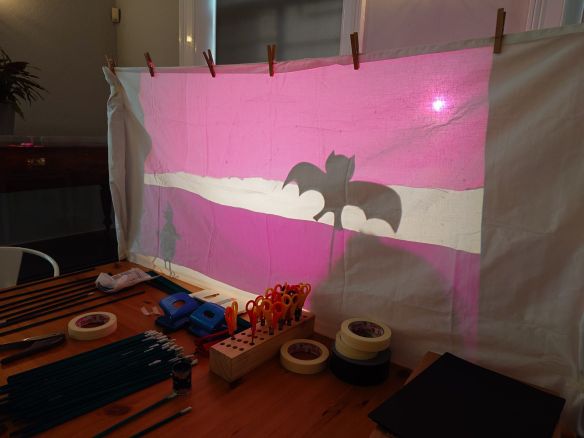
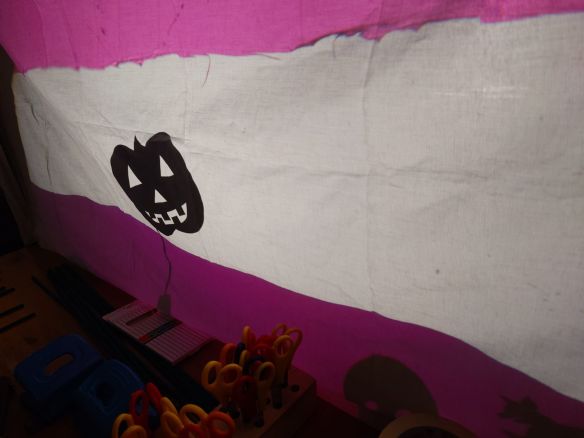
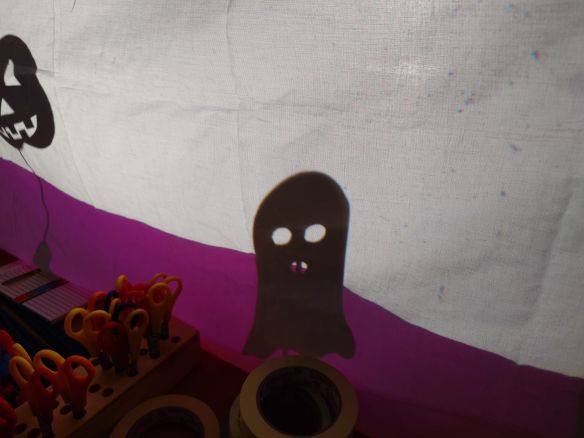
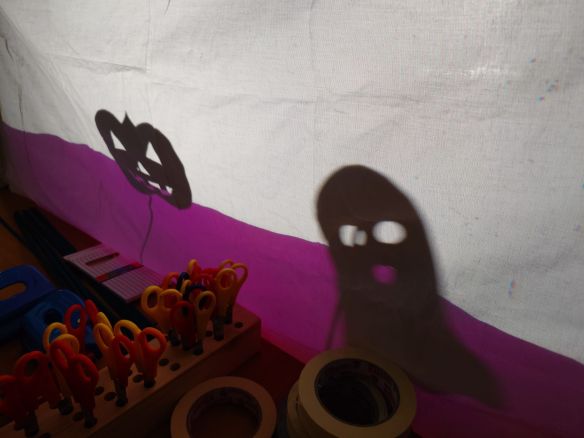
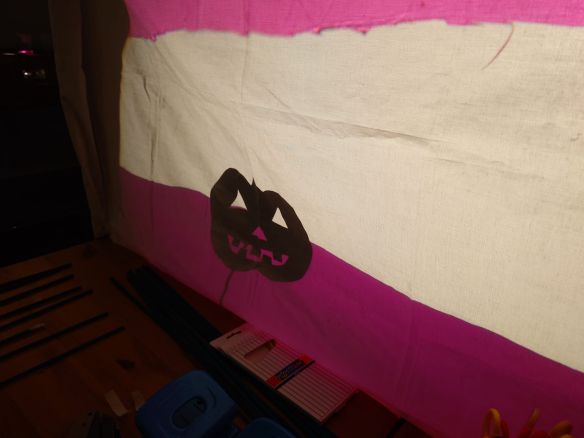
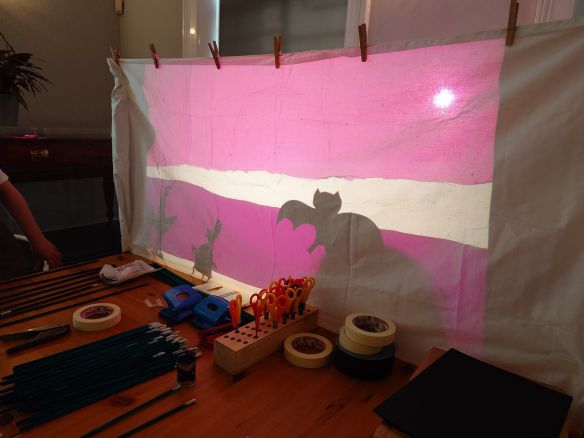
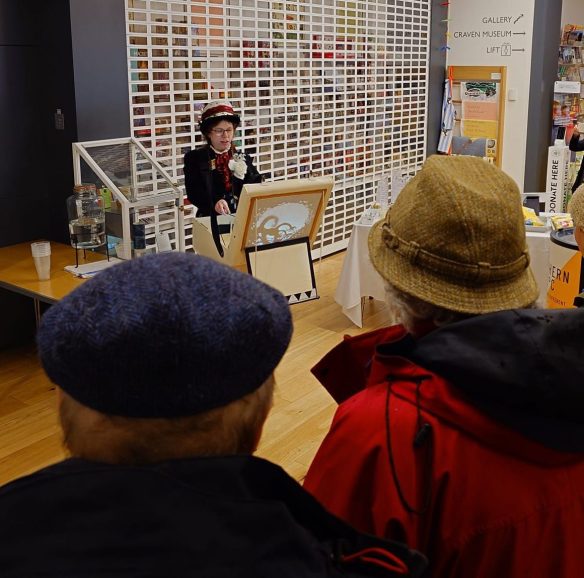
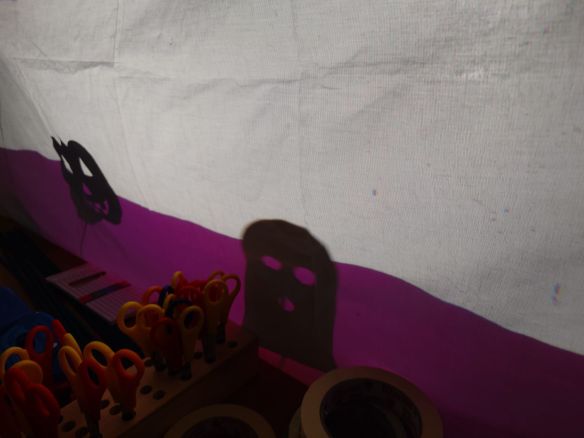
You can see at the top some photos from the Halloween Shadow Puppetry Drop-In Workshop that I ran on the Sunday and below is a little video snippit from one of my audience members at my “Edward Lear’s Nonsense” show.

Do please leave a comment if you have anything to add about the Symposium and don’t forget, you can subscribe to this blog, if you would like to receive regular updates.

If you would like to book one of my suitcase shows or a workshop, you can Contact Me Here 😊.